
Prostate Cancer ( ဆီးက်ိတ္ကင္ဆာ )
Prostate Cancer
Prostate Cancer
Prostate Cancer
အမ်ိဳးသားေတြ ကို အမ်ားဆံုး ဒုကၡေပးတတ္တဲ့ အရာေလးကေတာ့ ဆီးၾကိတ္ပါ ။ အသက္ၾကီးလာတာနဲ ့ အမွ် အဲ့ဒီဆီးၾကိတ္က တမ်ိဳးမဟုတ္ တမ်ိဳး ျပသနာ ရွာလာတတ္တယ္ ။ ရုိးရုိးဆီးၾကိတ္ၾကီးထြားလာ တာက Benign Prostate Hyperplasia အတိုေကာက္ BPH လို ့ေခၚျပီး သူက ဆီးသြားရ ခက္ျပီး ဆီးအိမ္တင္းတာ ၊ ဆီးမထြက္ နုိင္တာေတြ ျဖစ္တတ္တယ္ ။ ဆီးၾကိတ္အရြယ္ သိပ္ၾကီးမားျပီး ဆီးျပြန္ကို ဖိလာရင္ေတာ့ ခြဲစိတ္ကုသရပါတယ္
ေနာက္တမ်ိဳးျဖစ္ၾကတာကေတာ့ ဆီးၾကိတ္ကင္ဆာ ( Prostate Cancer ) , Ca Prostate ေပါ့ ။
ဆီးၾကိတ္ဆိုတာ သစ္ၾကားသီး ( Walnut ) အရြယ္အစား ေလာက္ပဲ ၾကီးျပီး၊ အမ်ိဳးသားေတြ မွာရွိတဲ့ ၊ ဆီးအိမ္ ( Bladder) ရဲ ့အထြက္ ၊ ဆီးျပြန္ ( urethra ) ပတ္လည္မွာ ခြထိုင္ေနတဲ့ အၾကိတ္တခုပါ သူ ့အထဲမွာ အၾကိတ္ငယ္ေလး ၅ ဖု ရွိပါတယ္ ။ တည္ေနရာ နဲ့ တည္ေဆာက္ပံုကေတာ့ အေမၚက ပံုေလး အတိုင္းပါ ။

American Cancer Society's မွ စစ္တမ္းအရ ၂၀၀၉ ခုႏွစ္မွာ အေမရိကန္နုိင္ငံမွာ ဆီးၾကိတ္ကင္ဆာ ျဖစ္သူ လူနာသစ္ေပါင္း ( ၁၉၂၂၈၀ ေယာက္ ) နဲ့ ေသဆံုးသူေပါင္း( ၂၇၃၆၀ ေယာက္ ) ရွိပါတယ္ ။ အမ်ိဳးသား ၆ ေယာက္မွာ ဆီးၾကိတ္ကင္ဆာျဖစ္သူ တေယာက္ ႏွဳန္း ရွိေနပါတယ္ ။
အမ်ိဳးသား ေဟာ္မုန္း (androgens)မ်ားသူေတြ ။ မ်ိဳးရုိးထဲမွာ အလားတူကင္ဆာရွိသူေတြ ၊ အသားမဲသူေတြ ၊ အဝလြန္သူေတြ မွာ ျဖစ္နူိင္ေျခမ်ားတတ္ပါတယ္ ။ တခ်ိဳ ့ကလည္း ဆီးၾကိတ္ကင္ဆာဆဲလ္ ေတြရဲ ့ DNA ေျပာင္းလဲ မွဳ ေၾကာင့္ ျဖစ္တယ္လို ့ ယူဆၾကပါတယ္ ၊
ေရာဂါလကၡဏာ........
(၁) ဆီးသြားရ ခက္ခဲမယ္ ( Trouble urinating )
(၂) ဆီးညွစ္သြားရျပီး ဆီးအရွိန္ ေလ်ာ့နည္းလာမယ္ ( Decreased force in the stream of urine )
(၃) ဆီးထဲမွာေသြးပါမယ္ ( Blood in your urine )
(၄) ဆီးထဲမွာ သုတ္ရည္ပါလာမယ္ ( Blood in your semen )
(၅) ေျခေထာက္ ေဖါေယာင္မယ္ ( Swelling in your legs )
(၆) တင္ပဆံုညွပ္ရုိး ဝန္းက်င္မွာ မအီမသာ ခံစားရမယ္ ( Discomfort in the pelvic area )
(၇) အရုိးေတြ ကိုက္ခဲ နာက်င္မယ္ ( Bone pain )
အဲ့ဒီလို ေရာဂါလကၡဏာရွိေနျပီဆိုရင္ ဆီးလမ္းေၾကာင္း ကၽြမ္းက်င္သူဆရာဝန္မ်ားနဲ့ အျမန္ဆံုးျပသျပီး လိုအပ္တဲ့ ကုသမွဳေတြ ယူသင့္ပါတယ္ ။
စစ္ေဆးျခင္း......
(၁) စအိုဝထဲ လက္ေခ်ာင္းသြင္းျပီး ဆီးၾကိတ္ကို စမ္းသပ္လို ့ရပါတယ္ ။ Digital rectal exam (DRE). လို ့ေခၚပါတယ္..
(၂) ေသြးထဲမွာ ပါတဲ့ ဓါတ္ တမ်ိဳး ၊ Prostate-Specific Antigen (PSA) ကို ေသြးရည္ၾကည္ထဲမွာ စစ္ေဆးၾကည့္လို ့ရပါတယ္ ။ ပံုမွန္ဆိုရင္ အလြန္ နည္းပါးတဲ့ ပမာဏ သာရွိပါတယ္ ။ မ်ားေသာအားျဖင့္ 4.0 ng/mL ထက္နဲပါးရင္ ပံုမွန္လို ့ သတ္မွတ္ပါတယ္ ။ဒါကလည္း အသက္အရြယ္အလိုက္ အနည္းအမ်ား ကြာျခားမွဳေတြ ရွိပါေသးတယ္။ ဒါ့အျပင္ တခ်ိဳ ့လူေတြမွာ ဆီးၾကိတ္ေယာင္ျခင္း (prostatitis ) နဲ့ ဆီးၾက္ိတ္ၾကီးထြားျခင္း(BPH) ေတြမွာလည္း PSA ပမာဏ အနည္းငယ္စီ တက္ေနတတ္ပါတယ္ ။
ခႏၶာကိုယ္ထဲရွိ အျခား အရည္မ်ားထဲမွာ ပံုမွန္ PSA ပါဝင္မွဳ ပမာဏ (ng/mL) မွာ.....
- -သုတ္ရည္ (semen) ထဲမွာ--- 200,000 to 5.5 million
- -ဝမ္းတြင္းရွိ သေႏၶသားရဲ ့ေရမႊာရည္ (amniotic fluid ) ထဲမွာ ---- 0.60-8.98
- -နို ့ရည္ (breast milk ) ထဲမွာ---- 0.47-100
- -တံေတြး (saliva ) ထဲမွာ ---- 0
- -အမ်ိဳးသမီးရဲ ့ ဆီး (female urine) ထဲမွာ----- 0.12-3.72
- -အမ်ိဳးသမီးရဲ ့ ေသြးရည္ၾကည္ (female serum) ထဲမွာ---- 0.01-.53
ဒီလို ေသြးစစ္လို ့ PSA မ်ားေနခဲ့ရင္လည္း ကင္ဆာလို ့ တထစ္ခ် မသတ္မွတ္နုိင္ေသးပါဘူး။ ဆက္ျပီးေတာ့ စစ္ေဆးမွဳေတြ လုပ္သင့္ပါတယ္ ။ စအိုဝမွတဆင့္ အာထရာေဆာင္း တီဗြီ ရုိက္ျပီး စမ္း သပ္ ျခင္း (transrectal ultrasound ) ၊ ဆီးၾကိတ္မွ အသားစ ( biopsy ) ယူျပီး စစ္ေဆးျခင္း ေတြကို လုပ္နိုင္ပါတယ္။
တခ်ိဳ ့လူအနည္းငယ္မွာ PSA ပမာဏပံုမွန္ေပမဲ ့ ဆီးၾကိတ္ကင္ဆာျဖစ္ေနသူမ်ားကိုပါစမ္းသပ္ေတြ ့ရွိရလို ့ ေသြးစစ္တာတမ်ိဳးတည္းနဲ့တင္ မလံုေလာက္ေသးပါဘူး ။ ဆီးထဲမွာ UPM-3 နဲ့ ေသြးထဲမွာ EPCA-2 စတဲ ့ဓါတ္ေတြကိုပါ စစ္ေဆးၾကည့္မွ ပိုျပီးစိတ္ခ်ရမွာ ျဖစ္ပါတယ္။
ကင္ဆာ ျဖစ္ေနျပီဆိုရင္ေတာ့ အဆင့္ အလိုက္ ကုသမွဳေတြ ယူသင့္ပါတယ္ ။ အဓိက ကေတာ့ ခြဲစိတ္ကုသျခင္း ပါပဲ ၊ ဒါ့အျပင္ အနုျမဴ ဓါတ္ေရာင္ျခည္ နဲ့ကုသျခင္း (Radiation therapy ) ၊ ေဟာ္မုန္းျဖင့္ (Hormone therapy ) ကုသျခင္း၊ ကင္ဆာေဆးသြင္းကုသျခင္း ( chemotherapy ) စတာေတြ နဲ ့ကုသနိုင္ပါတယ္ ။တခ်ိဳ ့က်ေတာ့ ခ်က္ခ်င္းခြဲစိတ္ကုသမွဳ မေပးေသးပဲ active surveillance အေနနဲ ့ ဆက္လက္ ေစာင့္ၾကည့္ျပီး အခ်ိန္မွန္စမ္းသပ္စစ္ေဆးျခင္း တို ့ျပဳလုပ္ၾကပါတယ္ ။
Ref:::
National Cancer Institute, USA.
**********************************************************************Prostate cancer is a disease in which malignant (cancer) cells form in the tissues of the prostate. It is the most common cancer (excluding skin cancer) and the second leading cause of cancer-related death in men in the United States.
Introduction
 The prostate is a gland in the male reproductive system located just below the bladder (the organ that collects and empties urine) and in front of the rectum (the lower part of the intestine). It is about the size of a walnut and surrounds part of the urethra (the tube that empties urine from the bladder). The prostate gland produces fluid that makes up part of the semen.
Prostate cancer is found mainly in older men. As men age, the prostate may get bigger and block the urethra or bladder. This may cause difficulty in urination or can interfere with sexual function. The condition is called benign prostatic hyperplasia (BPH), and although it is not cancer, surgery may be needed to correct it. The symptoms of benign prostatic hyperplasia or of other problems in the prostate may be similar to symptoms of prostate cancer.
Symptoms and Diagnosis
These and other symptoms may be caused by prostate cancer. Other conditions may cause the same symptoms. A doctor should be consulted if any of the following problems occur:
- Weak or interrupted flow of urine.
- Frequent urination (especially at night).
- Trouble urinating.
- Pain or burning during urination.
- Blood in the urine or semen.
- A pain in the back, hips, or pelvis that doesn't go away.
- Painful ejaculation.
 The following tests and procedures may be used:
Digital rectal exam (DRE): An exam of the rectum. The doctor or nurse inserts a lubricated, gloved finger into the rectum and feels the prostate through the rectal wall for lumps or abnormal areas.
Prostate-specific antigen (PSA) test: A test that measures the level of PSA in the blood. PSA is a substance made by the prostate that may be found in an increased amount in the blood of men who have prostate cancer. PSA levels may also be high in men who have an infection or inflammation of the prostate or BPH (an enlarged, but noncancerous, prostate).
Transrectal ultrasound: A procedure in which a probe that is about the size of a finger is inserted into the rectum to check the prostate. The probe is used to bounce high-energy sound waves (ultrasound) off internal tissues or organs and make echoes. The echoes form a picture of body tissues called a sonogram. Transrectal ultrasound may be used during a biopsy procedure.
Biopsy: The removal of cells or tissues so they can be viewed under a microscope by a pathologist. The pathologist will examine the biopsy sample to check for cancer cells and determine the Gleason score which ranges from 2-10 and describes how likely it is that a tumor will spread. The lower the number, the less likely the tumor is to spread.
Causes
All cancers are caused by dysfunctions of proteins involved in cell division, apoptosis, or DNA repair (see general characteristics). Dysfunctional proteins may arise from gene mutations or protein interactions with environments. Several genes associated with prostate cancer have been identifiedLabels: Health-III, Sexual Education, Sexual Education-V


တစ္ရက္ကို အၾကိမ္ေပါင္း ၃ဝ ေလာက္ လိင္ဆက္ဆံ လိုတဲ့စိတ္ျဖစ္ေပၚတဲ့ (Persistent Sexual Arousal Syndrome)PSAS ေရာဂါ

ဒီေရာဂါမ်ိဳးဟာ အမ်ိဳးေတြမွာအျဖစ္မ်ားတဲ့ေရာ၈ါျဖစ္ပါတယ္...ဘာေၾကာင့္ဒီေရာဂါမ်ိြုးျဖစ္ရသလဲဆိုရင္ ထိုသူရဲ့ ေမြးလမ္းေၾကာင္းကၾကြက္သားမ်ားေၾကာင့္ အဓိကျဖစ္ပါတယ္...
ေနာက္တစ္ခ်က္က စိတ္ေၾကာင့္ျဖစ္တယ္လို့သိရပါတယ္.....ေနာက္တစ္ခုကေတာ့ အာရံုေၾကာေၾကာင့္ပါ.......
ေယာနိလမ္းေၾကာင္းၾကြက္သားေၾကာင့္ျဖစ္ျခင္း....
ေယာနိလမ္းောကာင္းၾကြက္သားေတြဟာ အျမဲလိုလို ယားတားတားျဖစ္ေနပါတယ္....ဘာနဲ့တူသလဲဆိုရင္ ေျပာက္ကင္းစ အနာဟာ အျမဲယားေနလို့ ကုတ္ခ်င္ေနတာမ်ိဳးပါပဲ....
ကုတ္ေလ ယားေလ..ယားေလ ကုတ္ခ်င္ေနလိုပါပဲတဲ့.....တစ္ခါကုတ္ျပီးလို့ အယားေျပသြားရင္လည္းေနာက္ထပ္ကုတ္ခ်င္ေနတာပဲေလ.....
PSAS ေရာဂါ ကလဲအလားတူပါပဲ......တင္းမာေနတဲ့ၾကြက္သားေတြဟာ ေပ်ာ့ေျပာင္းသြားခ်င္စိတ္အျမဲျဖစ္ေနပါတယ္......ဘာေၾကာင့္လည္းဆိုေတာ့ ေယာနိလမ္းေၾကာင္းၾကြက္သားေတြဟာ အျမဲတမ္းလိုလို တင္းမာေနလို့ပါ......
စိတ္ေၾကာင့္ျဖစ္ျခင္း....
PSASေရာဂါဟာစိတ္ောကာင့္လည္းျဖစ္ႏိုင္ေသးတယ္.....သူမရဲ့စိတ္ဟာလိင္စိတ္အျမဲႏိုးၾကြေနတဲ့စိတ္ျဖစ္ေနပါတယ္......
တဏွာစိတ္အလြန္ျမင့္မားေနတာေပါ ့......ေငြေၾကးျပည့္စံုတဲ့အမ်ိဳးသမီးမွာပိုပါတယ္... ကိုယ့္ကိုယ္ကို PSAS ေရာဂါရွိေနမ်န္းသိတဲ့သူ အင္မတန္နည္းလြန္းလွပါတယ္......သူမရျ့စိတ္လိုပဲ
အမ်ိဳးသမီးတိုင္းျဖစ္ေနၾကတယ္လို့ထင္ေနၾကတယ္.....
အာရံုေၾကာင့္ျဖစ္ျခင္း......
ထိေတြ့မွုအာရံုခံေၾကာေတြ အားနည္းလို့ပါ.....အထူးသျဖင့္လိင္မွုဆိုင္ရာ အာရံုေၾကာအားနည္းလို့ပါ......သို့ျဖစ္ေသာ္ေၾကာင့္အားမရျခင္းအျမဲျဖစ္ေနတတ္ပါတယ္......
ဒါေၾကာင့္တစ္ေန့ကိုအၾကိမ္းေပါင္းမ်ားစြာလိင္ဆက္ဆံခ်င္စိတ္ျဖစ္ေနျပီဆိုရင္ မိမိမွာ PSAS ေရာဂါရေနေလာက္ျပီလို့ သံသယ၀င္သင့္ပါျပီ.........
တစ္ခ်ိဳ့အမ်ိဳးသမီးေတြဟာတစ္ေန့ကို သံုး ေလးၾကိမ္ေလာကေတာ့ ဆက္ဆံခ်င္ၾကေပမယ့္ ဒါကိုေတာ့ေရာဂါအဆင့္လို့ သတ္မွတ္လို့မရေသးပါဘူး....အမ်ိဳးသမီးေတြဟာတစ္ေယာက္ႏ်င့္တစ္ေယာက္မတူူညီၾကပါဘူး.....
ေရာဂါကုသျခင္း......
မိမိမွာ အဒီလိုစိတ္ျဖစ္ေနျပီဆိုလ်ွင္ အဓိကကေတာ့ ရွက္တဲ့စိတ္ကိုဖယ္ထုတ္ျပစ္ျပီး ဆရာ၀န္ႏွင့္ေဆြးေနြးတိုင္ပင္ရပါမယ္.......
တရားဘာ၀နာေျမြ့ေလ်ာရပါမယ္.....
အခ်ိဳးေဆး၀ါးေတြနဲ့ကုသႏိုင္တာကို ေအာက္မွာဆရာ၀န္နဲ့အေမးအေျဖပါ ထည့္ထားေပးပါတယ္......
PSAS ခံစားေနရတဲ့အမ်ိဳးသမီးအေၾကာင္းေလးေအာက္မွာဖတ္ၾကည့္ေပးပါဦး......
မီရွယ္လီေသာ္မဆမ္ ဆိုတဲ့အမ်ဳိးသမီးဟာ တစ္ရက္ကို အၾကိမ္ေပါင္း ၃ဝဝ ေလာက္ လိင္ဆက္ဆံ လိုတဲ့စိတ္ျဖစ္ေပၚတဲ့ (Persistent Sexual Arousal Syndrome)PSAS တဲ့ ေရာဂါတစ္မ်ဳိးကိုခံစားေနရပါတယ္။ တခ်ိန္တုန္းက ခ်စ္သူးမ်ားကိုလဲ ထိုကဲ့သို႕ သူ႕စိတ္ဆႏၵကိုျဖည့္စီးေပးဖို႕ ေတာင္းဆိုခဲ့ပါတယ္။ အခုေတာ့ သူ႕အိမ္နီးျခင္းတစ္ေယာက္ျဖစ္တဲ့ အင္ဒရူးကာ (၃၂)ႏွစ္ ဆိုတဲ့လူရွိေနတာ ၆ လေလာက္ရွိပါျပီး ဘာေၾကာင့္လဲဆိုေတာ့ ထိုသူဟာ သူ႕ကဲ့သို႕ စိတ္အားထက္သန္ ဝါသနာၾကီးတဲ့သူတစ္ေယာက္ျဖစ္ေနတဲ့အတြက္ သူတို႕ႏွစ္ေယာက္ဟာ တစ္ရက္ကို ၁ဝ ၾကိမ္ခန္႕ အခ်စ္ရည္လူး ႏိုင္တယ္လို႕
သိရပါတယ္။ အသက္ ၄၃ ႏွစ္အရြယ္ရွိျပီးျဖစ္တဲ့ မီရွယ္ က ျပံဳးရႊင္စြာျဖင့္ အင္ဒရူးဟာ ကၽြန္မဘဝကိုေျပာင္းလဲႏိုင္ခဲ့ပါျပီ ကၽြန္မရဲ႕
ဒီေရာဂါကိုကုဖို႕အတြက္ အခ်ိန္အၾကာၾကီးကုန္ခံျပီး ရွာေနစရာမလိုေတာ့ပါဘူး ကၽြန္မအခု ေတြ႕သြားပါျပီ လိုေျပာပါတယ္။ အခုေတာ့ကၽြန္မမ်က္ႏွာမွာ အျမဲတမ္းျပံဳးႏိုင္ပါျပီ။ မီရွယ္ရဲ႕ ဟာ ေရာဂါေၾကာင့္ အျမဲတမ္း အခ်ိန္တိုင္း ေနရာတိုင္းမွာ လိင္ဆက္ဆံဖို႕ အထြတ္အထိပ္မွာရွိေနပါတယ္။ မီရွယ္ရဲ႕ ပထမ ခ်စ္သူေတြဟာ လအေတာ္ၾကာျပီဆိုရင္ေတာ့ သူမရဲ႕ေတာင္းဆိုမွဳ႕ကို မျပဳလုပ္ေပးႏိုင္ေတာ့ဘဲ ဆလမ္ျပဳျပီး ထြက္ေျပးရေတာ့တာဘဲျဖစ္ပါတယ္။ ထိုအထဲမွ တစ္ေယာက္ကေတာ့ ငါကလူ စက္မဟုတ္ဘူး ဆိုျပီးေျပာခဲ့ပါတယ္။ အင္တာနက္မွာရွာျပန္ေတာ့လဲ သူ႕အေၾကာင္းကိုနဲနဲေျပာျပလိုက္တာနဲ႕ အဆင္မေျပျဖစ္သြားၾကပါတယ္။ မီရွယ္က ကၽြန္မအင္ဒရူးကို အရင္လူေတြလို ေျခကုန္လက္ပန္းက်သြားမွာစိုးရိပ္ခဲ့ပါတယ္။ ဒါေပမဲ့ကၽြန္မသူ႕ကို အဲ့လို အင္ဒရူးကိုေျပာတဲ့အခါမွာ ေတာ့ အင္ဒရူးက ရယ္ေမာလွ်က္ ကၽြန္မကို သာအရင္ေျခကုန္လက္ပန္းက်သြားေစရမယ္လို႕ျပန္ေျပာပါတယ္။ အကယ္၍ အင္ဒရူးသာ တက္ႏိုင္ရင္ ကၽြန္မကေတာ့ ၂၄ နာရီ အခ်ိန္ျပည့္ တတ္ႏိုင္ပါတယ္။ အခုေတာ့ကၽြန္မအတြက္ လြယ္လြင့္တကူဘဲ လမ္းကူးျပီး အင္ဒရူအိမ္ကို သြားျပီး ဆက္ဆံ ၾကပါတယ္။ တစ္ရက္တစ္ရက္ကို အနည္းဆံုး ၁ဝၾကိမ္ေလာက္ေတာ့ရွိမယ္ လို႕ မီရွယ္က ေျပာျပပါတယ္။ ခေလး ၄ေယာက္ မိခင္ မီရွယ္က ဆက္လက္ျပီး အခုကၽြန္မဘဝေလးကို တကယ္ဘဲအရမ္းကိုႏွစ္သက္ပါတယ္။ ကၽြန္မတို႕ တတ္ႏိုင္ရင္ အတူေနဖို႕အတြက္ လည္း အစီအစဥ္ရွိပါတယ္။ ကၽြန္မ အင္ဒရူးလိုလူမ်ဳိးကိုလိုက္ရွာတာ အခ်ိန္ေတာ္ေတာ္ၾကာခဲ့ပါျပီး အခုေတာ့ကၽြန္မ နတ္ျပည္ ေရာက္ေနသလိုခံစားေနရပါတယ္လို႕ မီရွယ္က ေျပာခဲ့ပါတယ္။
ကၽြန္ေတာ္အထင္ကေတာ့ သူတို႕ႏွစ္ေယာက္ အတူေနဖို႕ဆိုတာ မျဖစ္ႏိုင္ဘူး ႏွစ္ေယာက္စလံုး ဘာအလုပ္မွ လုပ္လို႕ရမွာမဟုတ္ဘူး
******************************************************************************************************************************************************************************************
Persistent Sexual Arousal Syndrome (PSAS) or Persistent Genital Arousal Disorder (PGAD) is a phenomenon relating mainly to women's sexual health, in which afflicted women complain of sudden and frequent feelings of genital arousal that are qualitatively different from the kind of sexual arousal that is associated with sexual desire or subjective arousal. Masturbation and orgasms offer little or no relief. It is a very rare condition and it is possible that sufferers don't report the condition because of the shame and embarrassment the disclosure would involve.
Dr. Sandra R. Leiblum documented the condition first in July 2001, along with Dr. Sharon G. Nathan in the Journal of Sex and Marital Therapy. The reasons for Persistent Sexual Arousal Syndrome remain a medical mystery till date.
The first real research study on PSAS was conducted at Rutgers University in June 2007 and women with PSAS felt encouraged when doctors found evidence that it was not an "imaginary" syndrome. More than 400 women from different parts of the world have reported suffering from PSAS. According to a report in the Shukan Post last year, a growing number of Japanese women are suffering from PSAS. One woman said she was terrified because even her mobile phone vibration was enough to set her off and was told by her friend that she was stricken by what was called the "cum cum disease."

It is not surprising that the women who have reported the condition are only from the developed countries, because the consequences of reporting such a syndrome by women in developing or under-developed countries or conservative societies would be disastrous. In conservative societies, women reporting this disease run the risk of being stigmatized or labeled as 'freaks' by others.
| Interesting to Know |
**************************************************************************************************************************************************************

Welcome and Hello!
My name is Jeannie Allen aka Jean Lund as I am among other things a free-lance writer. I reside in Ventura, California and work in the film industry in Burbank. I founded this support group in November 2006 for women who suffer from Persistent Sexual Arousal Syndrome (PSAS) which is now known as PGAD or Persistent Genital Arousal Disorder.
PGAD is an unwanted, intrusive, non-sexual arousal of the clitoris. While male priapism has been known for many years, clitoral priapism has been largely ignored apparently because we are women! There is no known confirmed cause or cure to date. The origin could be physiological such as a neurotransmitter that has back-fired in the brain or it could be caused by holding extreme stress in the muscles of the low back, hip flexors and outer pelvic area. The muscle tightness then presses on a nerve, possibly the pudendal, causing a tingling sensation, similar to when ones arm or leg goes to sleep after pressure has been applied too long. Inflammation of these areas is also involved. The nerve tingles and runs to the clitoris building a crescendo much the same as during sexual intimacy and a need for release via orgasm. Once the release has been given, the crescendo begins again building pressure which can be painful since orgasms cannot be reached constantly while living a normal life (such as at work, school or around friends and family). And just to clarify; women are not having orgasms all day and night as has been exaggerated by the media. Most wait for privacy and hold out as long as they can until they feel like they are losing their minds from the distraction and feelings. Women have tried everything they can to get it to stop, including nerve medications, stop smoking cessations, anti-depressants, anxiety medications, ice packs, and even more desperate measures such as surgery on the pudendal nerve and electric shock treatment to the brain all to little or no avail. Many have thought of suicide because they feel they would be better off dead then living the rest of their life with this ongoing problem.
I founded the original support group on Yahoo groups in 2003 when there were only 5 known cases of women with PGAD. Shortly after, I was asked to do an interview for the Boston Globe and out of my own desperation to find help I said yes. Because of that interview the support group grew far beyond what I ever could have imagined as women discovered a name for what was happening with them. At first I was very surprised then quickly realized that this is not as "rare" of a condition as it has been labeled. Because women say they have never told anyone and have been quietly suffering, the reality is PGAD is a "silent epidemic." The response to the interview created just enough fire in my soul to become the advocate for the disorder. I have continued my advocacy not only to offer a safe place for sufferers via online support groups but also to help educate doctors, nurses and all of the medical community so that we will no longer be dismissed with the notion that the condition "does not exist".
Quite a bit of progress has been made over the years. Since 2003 we have drawn the attention of the media which has helped a great deal in spreading the word. We've been included on 20/20's Medical Mysteries twice, Truth Be Told, the Trya Banks show, The Doctors, Discovery Health Channel as well as an International one hour documentary. Most recently I was asked to be a guest speaker at Fairfield University in Connecticut to a classroom of psychotherapists which was the most rewarding experience since I began my advocacy work. Numerous interviews have been given to magazines and newspapers through-out the world with the result of it reaching more women who still had no name for what they were living with. Now there is also an International support group based out of the Netherlands.
More and more doctors are becoming aware with some putting their thinking caps on trying to help by various treatments. But there is still much work to be done because there is still no known cause and no magic pill. While there has been a small research study done at Rutgers University under Dr. Barry Komisaruk, PhD which has proven the disorder is "not all in our heads" the real problem is that more grant research funding is desperately needed so the research can continue in the states and we continue to be turned down! There has been a two year research study in the Netherlands that has also confirmed PGAD is real and has some interesting results—enough that they will continue research.
My goal in creating the support groups was to give women a safe place to network with other women and the courage to speak out. It is my hope that this lends each member enough strength to take the discussion outside these walls to their spouses, significant others, family, close friends and to every doctor they see. I have also provided the tools needed by having information posted that can be printed and carried to doctors, and links to information on other web sites. I want women to hold their heads high and feel a sense of relief knowing that we have not done anything to cause this disorder. That we are not freaks of nature; that we deserve to have our normal lives back! And I want the medical community to take their head out from under the sand and help us achieve that goal as soon as possible.
Empower yourselves ladies!
Kindest Regards–
Jeannie
Labels: Health-III, Sexual Education, Sexual Education-V
လိင္ဆက္ဆံရင္နာက်င္သည့္ေရာဂါ
လိင္ဆက္ဆံရင္နာက်င္သည့္ေရာဂါ


အမ်ိဳးသမီးမ်ား ဆက္ဆံခ်ိန္မွာ ထူးျပီး နာက်င္တာကို Dyspareunia ေခၚတယ္။ ထူးျပီး နာတယ္လို႔ ေျပာရတာက ပဌမဆံုး အၾကိမ္ ဆက္ဆံရင္ နာက်င္မႈခံစားရတာမ်ိဳးက ေရာဂါမဟုတ္ပါ။ ကုိယ္ခႏၶာ အရြယ္အစား မတူသူေတြ ဆက္ဆံတဲ့အခါ၊ အထူး သတိမျပဳရင္ နာတတ္တယ္။ အရင္က မနာဘူးေပမဲ့ အခုမွ နာလာတာက ထူးလာတာမ်ိဳး ျဖစ္တယ္။
ေမးခြန္းမွာ ပါသလိုမ်ိဳးျဖစ္တာကေတာ့ အေျခခံ ေရာဂါတခုခုေၾကာင့္ ျဖစ္လာရတဲ့ လကၡဏာတခုသာ ျဖစ္ပါတယ္။ အျဖစ္ႏိုင္ဆံုးကေတာ့ ေမြးလမ္းေၾကာင္းတေနရာမွာ ပိုးတမ်ိဳးမ်ိဳး၀င္ေနတာေၾကာင့္ အျဖဴ (ညိဳညစ္ညစ္) ဆင္းတာျဖစ္ျပီး၊ နာက်င္တာကပါ ဆက္ျဖစ္လာေစတယ္။
ပိုး၀င္တာကို Infection ေခၚတယ္။ ပိုးေတြက အမ်ိဳးမ်ိဳး။ Candidiasis, Chlamydia, Trichomonous ေတြျဖစ္တယ္။ အျဖဴဆင္းတာလို႔ သာမန္ေခၚၾကေပမဲ့ အေရာင္က အမ်ိဳးမ်ိဳးရွိတယ္။ အျဖဴ၊ မီးခိုးေရာင္၊ အ၀ါ၊ အစိမ္း၊ အနီ၊ ညိဳတယ္ဆိုရင္ ေသြးနဲ႔ေရာေနလို႔ ျဖစ္တတ္တယ္။ ဆင္းတာသာမက ယားတာနဲ႔ပါ တြဲတတ္တယ္။ နံတာလည္း ရွိတတ္တယ္။ ျဖစ္ေစတဲ့ ပိုးအမ်ိဳးအစားအေပၚ မူတည္တယ္။ အျပစ္-အက်ဲလည္း မတူဘူး။ ေနာက္ဆက္တြဲ Pelvic inflammatory disease တင္ပါးဆံုတြင္း အဂၤါေတြ ေရာင္တာ ျဖစ္လာေစတတ္တယ္။ ဒီအဆင့္မွာလည္း နာတယ္။
ေဆးကုတာလည္း မခက္လွပါ။ Leucorrhoea, Vaginal Discharge ေမြးလမ္းေၾကာင္းမွ အျဖဴဆင္းျခင္း၊ အသက္ ၁၈ ႏွစ္ ျပည့္မွဖတ္ပါ (၁၅) မွာပါတယ္။ တိုက္တိုက္ဆိုင္ဆိုင္ ဒီစာေရးတဲ့ေန႔မွာဘဲ လူနာတေယာက္ လာျပတယ္။ ဗမာျပည္က ထြက္လာတာ မၾကာေသးဘူး။ အိမ္ေထာင္က်တာ ၅ ႏွစ္၊ ကေလးမရွိ၊ အျဖဴဆင္း၊ သားအိမ္နာ။ ေမးၾကည့္ေတာ့မွ အိမ္ေထာင္နဲ႔ ေနရင္လည္း နာတယ္။ ေမြးလမ္းကို စမ္းေတာ့ ဆီးစပ္ေနရာ ႏွစ္ဖက္မွာ နာတယ္။ သူ႔မွာ ေမြးလမ္းအဂၤါေတြ ေရာင္တာ ၾကာေနလို႔ သားအိမ္ျပြန္ က်ဥ္း-ပိတ္တာေၾကာင့္ ကေလးမရႏိုင္တာပါ ျဖစ္လာေစတယ္။
ပိုး၀င္တာလို ရုပ္ပိုင္း အေျခအေနေၾကာင့္ သာမက စိတ္ပိုင္းေၾကာင့္ပါ ျဖစ္ႏိုင္တယ္။ အဓမၼျပဳက်င့္ ခံရတာ၊ ခံရဘူးတာ၊ အေဖၚကို စိတ္ဆိုးေနတာ၊ ဒီလို ဆက္ဆံလိုက္ရင္ ေနာက္ဆက္တြဲ ျဖစ္လာမွာကို ေသာကေရာက္ေနတာ။
Vaginismus ဆုိတဲ့ (ဗဂ်ိဳင္းနား) ေဘးက ၾကြက္သားေတြ စိတ္အလိုမပါဘဲ၊ လႈတ္ရွားလို႔ေၾကာင့္ နာတာမ်ိဳးလဲ ရွိေသးတယ္။ ပံုမွန္ထြက္လာရမဲ့ စိုစြပ္ေစတဲ့အရည္ Vaginal lubrication နည္းရင္လည္း နာေစတယ္။ ဒါမ်ိဳးက ေသြးဆံုးသူေတြမွာ ျဖစ္တယ္။ ငယ္သူေတြမွာေတာ့ စိတ္မပါဘဲ ဆက္ဆံလို႔ အရည္ထြက္နည္းျပီး နာတာ။ စံုေအာင္ ေျပာရရင္ ဆိုင္ရာေနရာမွာ ထိခိုက္ ဒဏ္ရာ ရေနလို႔လည္း နာႏိုင္တာဘဲ။ ဆိုပါစို႔ Episiotomy ေမြးလမ္းေၾကာင္းခ်ဲ႕ ေမြးဖြါးအျပီး။
ေမြးလမ္း မဟုတ္ဘဲ ဆီးလမ္းေၾကာင္း ပိုး၀င္တာ၊ STD လိင္ကေန ကူးစက္တဲ့ေရာဂါေတြေၾကာင့္ပါ နာတတ္ေသးတယ္။ ပဋိဇီဝေဆးနဲ႔ ကုရတယ္။ တျခား အျဖစ္နည္းတာေတြက Ovarian Cyst မ်ိဳးဥအိမ္အလံုး၊ Endometriosis ဆိုတဲ့ သားအိမ္ အတြင္းလႊာက (ဆဲလ္) မ်ိဳးေတြက တျခား ေနရာေတြမွာ ေရာက္ေနတဲ့ေရာဂါ။ Cancer ကင္ဆာ၊ Xerosis ေသြးဆံုးျပီး ေမြးလမ္းက်ဥ္း ေရာဂါ၊ သားအိမ္ထဲ မဟုတ္ဘဲ ကိုယ္၀န္ေဆာင္တာ၊ တင္ပါးဆံုတြင္း ေသြးျပန္ေၾကာထံုးတာ။ ေနာက္ျပီး Condom (ကြန္ဒြန္)၊ အမ်ိဳးသမီးသံုး Diaphragm (ဒိုင္ယာဖရမ္)၊ Spermicide သုတ္ပိုးေသေဆးကို မတည့္တာ ေၾကာင့္လည္း ျဖစ္ႏိုင္ေသးတယ္။
ေမြးရာပါ (ဗဂ်ိဳင္းနာ) မွာ ထူးေနသူေတြလည္း ရွိတတ္တယ္။ Vaginal septum ေခၚတဲ့ ေမြးလမ္းက အကန္႔ ပါေနလို႔ Double vagina ႏွစ္ခန္း ျဖစ္ေနတာ။ အပ်ိဳေျမွးမွာပါ ျပႆနာ ရွိေနတတ္တယ္။ Imperforate hymen လံုး၀ ပိတ္ေနတာ၊ Microperforate hymen ပိတ္သေလာက္ ျဖစ္ေနတာ၊ Rigid hymen တင္းေတာင့္ေနတဲ့ အပ်ိဳေျမွး၊ Septate hymen တေနရာမွာ ထူေနလို႔ ႏွစ္ခြလို ျဖစ္ေနတာ။ ဒီလိုအမ်ိဳးသမီးမ်ားမွာ ဆက္ဆံတဲ့အခါ နာမယ္။ ခြဲစိတ္ျပဳျပင္ရင္ ေကာင္းသြားတယ္။
Vulvar vestibulitis ဆိုတဲ့ ရွားရွားပါပါးေရာဂါတခု ရွိေသးတယ္။ အဂၤါအ၀ ေနရာမွာရွိတဲ့ အာရံုေၾကာေတြက ထူျပီး နာတာကို မခံႏိုင္ျဖစ္ေနတာ။ နဲနဲထိတာနဲ႔ နာတယ္။ ဒီလိုအမ်ိဳးသမီးေတြမွာ တျခားေနရာေတြ နာေနတာ ရွိတတ္တယ္။ ဒီလိုလူနာကို ကုသရတာလည္း လက္၀င္တယ္။ အနာ-အေရာင္ သက္သာေစတဲ့ လိမ္းေဆး၊ စားေဆးေတြနဲ႔ မရရင္ စိတ္ကိုျပဳျပင္ေဆး Antidepressants နဲ႔ Anticonvulsants တက္တာ သက္သာေဆးေတြကိုပါ နည္းနည္းစီ ေပးရတယ္။
နာတာက အ၀င္၀၊ အထဲနဲ႔ ဟိုထိပ္မွာ ဆိုတဲ့ေနရာ နာတာ မတူတတ္ဘူး။ အတြင္းပိုင္းထိပ္မွာ နာတာမ်ိဳးက သားအိမ္၊ သားအိမ္၀၊ သားအိမ္ျပြန္ ေရာင္တာေၾကာင့္ ျဖစ္တတ္တယ္။ နာတာကလည္း နဲနဲ နဲ႔ မ်ားမ်ား မတူၾကဘူး။ နာလာလို႔ ဆက္ဆံေနရင္း စိတ္အာရံု ေျပာင္းသြားေစတယ္။ ေမးလာသူလိုဘဲ စိုးရိမ္စိတ္ ၀င္လာမယ္။ မစိုးရိမ္ပါနဲ႔။
အေပၚယံေနရာ နာတာမ်ိဳးနဲ႔ ေသြးဆံုးသူေတြအတြက္ Water-based lubricants (KY Jelley) ေခ်ာဆီ သံုးႏိုင္တယ္။ ထံုေဆးကိုလည္း သံုးႏိုင္တယ္။ Xylocaine, Lignocaine ထိုးေဆး၊ ညွစ္ဘူး၊ ပန္းေဆးဆိုျပီး လာတယ္။ အသင့္ဆံုးက Xylocaine 2%, 5% (ဂ်ယ္လီ) ျဖစ္ပါတယ္။ ၅ မိနစ္ေနရင္ ထံုလာပါမယ္။ မိနစ္ ၃ဝ ေလာက္ခံတယ္။
အတြင္းဘက္ေနရာက နာတာဆိုရင္ ဆက္ဆံတဲ့ အေနအထားေျပာင္းတာက ေယဘူယ်သေဘာ အေထာက္အကူျပဳမယ္။ ျဖစ္ေစတ့ဲ အေၾကာင္းရင္းကိုလည္း ကုသရမွာပါ။ ဥပမာ Infections ရွိရင္ Antibiotics, Antifungal drugs ပဋိဇီဝေဆးေတြ ေပးရမယ္။ ေသြးဆံုးခ်ိန္ျဖစ္သူေတြကို Estrogen cream ထည့္ေစရတယ္။ Cysts or abscesses အနာ၊ အလံုးရွိရင္၊ Congenital abnormality ေမြးရာပါခ်ိဳ႕ယြင္းခ်က္ ရွိေနရင္၊ ခြဲစိတ္ျပဳျပင္ ေပးရမယ္။ Prolapse of the uterus သားအိမ္က် ေနရင္ Pessary ထည့္တာနဲ႔ ခြဲစိတ္တာလုပ္ရမယ္။
ေလ့က်င့္ခန္းေတြ Pelvic muscle relaxation exercises, yoga, general relaxation exercises ေတြနဲ႔ပါ ကူေပးႏိုင္တယ္။ တခ်ိဳ႕အမ်ိဳးသမီးမ်ားက Psychotherapy and sex therapy စိတ္ပိုင္းကုသတာ လိုခ်င္လိုမယ္။
******************************************************************************
Dyspareunia: When Sex Becomes Pain
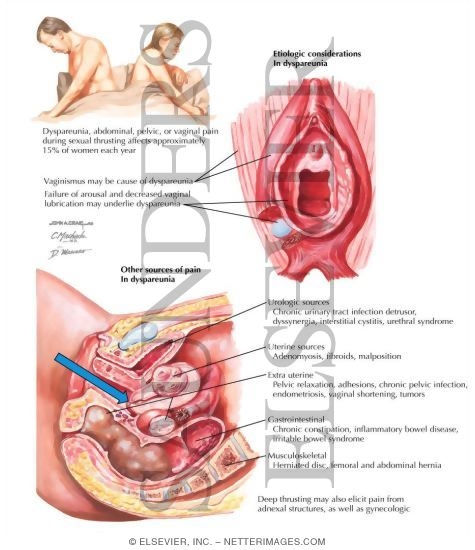
When a couple decided to have a sex or make love, it means they both want to have some fun together. Well, I also thought sex is meant to be an enjoyable and happy experience especially with someone you love. But I guess it won’t be any fun if you get pain during intercourse. The enjoyable and happy experience suddenly becomes a dream for both of you.
If you get pain during intercourse, it might be dyspareunia (say: “dis-par-oon-ya”). It is painful sexual intercourse for women. The pain can be in the genital area or deep inside the pelvis. The pain is often described as sharp, burning or similar to menstrual cramps. The symptom is reported almost exclusively by women, although the problem can also occur in men. The causes are often reversible, even when long-standing, but self-perpetuating pain is a factor after the original cause has been removed. It is important to talk to your doctor if you have this problem because there are effective treatments for many of the causes.
Any part of the genitals can cause pain during sex. Some conditions affect the skin around the vagina. The pain from these conditions is usually felt when a tampon or penis is inserted into the vagina, but pain can also occur even when sitting or wearing pants.
The top causes of dyspareunia are:
* Problems with your cervix, such as infections of the cervix and tender places on it
* Womb trouble including fibroids
* Endometriosis
* Ovary problems mostly because cysts on the ovary or if the tip of the penis hits an unusually positioned ovary.
* Pelvic inflammatory disease (PID). The tissues deep inside become badly inflamed and so the pressure of intercourse causes deep pain.
* Ectopic pregnancy, because pressure on it can be very painful.
However, sometimes dyspareunia happens because of certain issues, such as well-endowed partner, what I mean is some women complain that their partner’s penis is too big. Menopausal or post-menopausal dryness can be a cause, but you can help it by treatment with HRT pills or hormone cream or an ordinary sex lubricants. Moreover, vaginal infections (trichomonas, herpes), injury to the vulva or vagina, genital warts, vulvitis, haematoma of the clitoris, urethral caruncle, foreign body in the vagina, vulvodynia and cancer can be superficial causes for the pain.
If you suffer dyspareunia and has understood why the pain occurs, I guess if it is related to medical causes, you better ask your doctor how to overcome it. You have to discuss your symptoms with your doctor. Depending on the situation, you may need to see a doctor who specializes in women’s problems.
If you see your doctor, dyspareunia is treated by the taking following steps:
*Carefully taking a history. For example he may ask your sex activities, such as have you tried a sexual lubricant or more foreplay? Is it painful every time you try to have sex? Are there other problems associated with sex? These are some of the questions that your doctor will need to discuss with you.
*Examining your genital area or give you a pelvic exam to duplicate as closely as possible the discomfort and to identify a site or source of the pelvic pain.
*Clearly explaining to the patient what has happened, including identifying the sites and causes of pain, and removing the source of pain when possible.
*Prescribing very large amounts of water-soluble sexual or surgical lubricant during intercourse, such as petroleum jelly and moisturizing skin lotion.
*Instructing the receiving partner to take the phallus of the penetrating partner in their hand and control insertion themselves, rather than letting the penetrating partner do it.
*Encouraging the couple to add pleasant, sexually exciting experiences to their regular interactions, such as bathing together (in which the primary goal is not cleanliness), mutual caressing without intercourse, and using sexual books and pictures.
*Recommending a change in coital position to one admitting less penetration.
*Recommending a device for limiting penetration.
One thing you should know is dyspareunia also occurs on men. Sometimes because of skin disorders on the penis or such causes. Therefore, you should be more careful, especially it is all for the sake of your enjoyable sex activity which can affect your relation with spouse. I bet you really want a happy marriage… don’t you?
Ref:Dr Tint Swe and www.mdconsult.com
Labels: Health-III, Sexual Education, Sexual Education-V
ကိုယ္၀န္ရႏိုင္/မရႏိုင္အေၾကာင္း
ကိုယ္၀န္ရႏိုင္/မရႏိုင္အေၾကာင္း

အမ်ိဳးသားတစ္ဦးႏွင့္အမ်ိဳးသမီးတစ္ဦးတို့ ၏လိင္အဂ္ါမွထြက္ေသာ္အရည္မ်ားေပါင္းစပ္ရံုႏွင့္ ကိုယ္၀န္ရသြားမွာ စိုးရိမ္ေနေသာ္
သူငယ္ခ်င္းတစ္ဦးအတြက္ေရးသားလိုက္ရခ်င္းျဖစ္ပါတယ္........
ခ်စ္သူစံုတြဲေတြဟာ တစ္ဦးကို တစ္ဦးနမ္းရွုပ္ေနၾကရင္း လိင္အဂ္ါကအရည္မ်ားထြက္လာပါတယ္........ဒါဟာသဘာ၀ကလိင္စိတ္ႏိုးၾကားလာရင္
ျဖစ္ေပၚလာတာပါလို့ေျပာခဲ့ဘူးပါတယ္.......
အရမ္းခ်စ္ၾကျပီး အရွိန္မသတ္ႏိုင္တဲ့အခါမွာ လိင္အဂ္ါခ်င္းပြတ္ျပီးအာသာေျဖၾကပါတယ္......ဒီအခါမွာ အမ်ိဳးသားမ်ားဟာ သုတ္ရည္ထြက္ျပီး
ျပီးသြားၾကပါတယ္......အမ်ိဳးသမီးေတြကေတာ့ ျပီးတာၾကာတယ္လို့ အရင္ပို့စ္မွာေျပာဘူးပါတယ္.....
ေနာက္ပိုင္းၾကမွ အမ်ိဳးသမီးေတြက ဒီအေၾကာင္းျပန္စဥ္းစားျပီး ကိုယ္၀န္ရသြားမွာ ေတြးေၾကာက္ေနပါေရာ္........လိင္အဂ္ါမွထြက္ေသာ္အရည္အခ်င္းေပါင္းစပ္ရံုႏွင့္ကိုယ္၈န္မရႏိုင္ပါဘူး..........
အမ်ိဳးသမီးေတြဟာ ရာသီလာျပီး ( 10 ) ရက္ခန့္မွာ မ်ိဳးဥေၾကြတာပါ....မမ်ိဳးဥႏွင့္ ဖိုမ်ိဳးဥတို့ေပါင္းစပ္မွ ကိုယ္၀န္ရတာပါ......ဒါေတာင္ .1%
ပဲေသခ်ာတာပါ........
ဒီေတာ့ဗ်ာ.......
( 1) ရာသီမလာခင္ တပတ္
( 2 ) ရာသီလာစဥ္ ရက္
( 3 )ရာသီလာျပီး တပတ္
စုစုေပါင္း ( 17 ) ရက္မွာ လိင္ဆက္ဆံရင္ေတာင္လံုး၀ ကိုယ္၀န္မရပါဘူး.......ကိုယ္၀န္လိုခ်င္ရင္ေတာ့ ေျဗာင္းျပန္ေပါ.....
ရာသီလာျပီးတပတ္ကေန ရာသီမလာခင္ရက္အထိ ( 13 ) ရက္ခန့္သာရႏိုင္တာပါ......
ဒါေၾကာင့္လိင္အဂ္ါမွထြက္ေသာ္အရည္အခ်င္းခ်င္းေပါင္းစပ္ရံုႏွင့္ကိုယ္၀န္မရႏိုင္ပါဘူး........
Ref:ေဒါက္တာႏိုင္တင္ေဂး၏ ေဆးစာအုပ္မ်ားမွ
Labels: Health-III, Sexual Education, Sexual Education-V

ကမ႓ာေပၚတြင္ Gay တစ္ဦးအျဖစ္ ပထမဆံုး နိုင္ငံ ေခါင္းေဆာင္ ျဖစ္ခဲ့သူ ဂ်ိဳဟာနာ ဆင္ဂြာဒါေဒါ့တီသည္ ယခုအခါ တရားဝင္ လက္ထပ္ လိုက္ၿပီျဖစ္သည္။ အိုက္စလန္နိုင္ငံ၏ ဝန္ႀကီးခ်ုပ္အျဖစ္ တာဝန္ယူထားေသာ အသက္(၆၈)ႏွစ္ရွိ ဂ်ိဳဟန္နာသည္ သူမႏွင့္ ႏွစ္ရွည္လမ်ား တြဲေနခဲ့သည့္ အမ်ိဳးသမီးခ်င္းခ်စ္သူ ဂ်ိဳနီနာလီေယာ့ေဒါ့တီအား လက္ထပ္လိုက္ျခင္းျဖစ္သည္။ အသက္(၅၀)ရွိၿပီ ျဖစ္ေသာ စာေရးဆရာမ ဂ်ိဳနီနာသည္ ဝန္ႀကီးခ်ုပ္ ဂ်ိဳဟန္နာႏွင့္ ႏွစ္ေပါင္း အေတာ္ၾကာ ခ်စ္သူမ်ား ျဖစ္ေန ခဲ့သည္။
မိမိကိုယ္ကိုယ္ လိင္တူခ်င္း စိတ္ဝင္စားသည့္ Gayတစ္ဦးျဖစ္ေၾကာင္း တရားဝင္ ဝန္ခံေျပာၾကားထားသည့္ ဂ်ိဳဟန္နာသည္ နိုင္ငံအတြင္း လိင္တူခ်င္း လက္ထပ္ခြင့္ ဥပေဒကို အတည္ျပုေပးၿပီးေနာက္ သီတင္းပါတ္ အနည္းငယ္အတြင္း ယခုလို လက္ထပ္ပြဲ ဆင္နႊဲခဲ့ျခင္းျဖစ္သည္။ ဂ်ိဳဟန္နာတို့ လက္ထပ္ပြဲကို ဇြန္လ(၂၆)ရက္ေန့က ျပုလုပ္ခဲ့ၿပီး ဥပေဒကို ဇြန္လ(၁၂)ရက္ေန့ကမွ အတည္ျပု ျပဌာန္းခဲ့ျခင္းျဖစ္သည္။ ဂ်ိဳဟန္နာသည္ ၿပီးခဲ့သည့္ႏွစ္က အိုက္စလန္၏ ဝန္ႀကီးခဳ်ုပ္ ရာထူးကို စတင္ထမ္းေဆာင္ခဲ့ၿပီး ကမ႓ာေပၚတြင္ Gay တစ္ဦးအျဖစ္ ထုတ္ေဖာ္ဝန္ခံသည့္ ပထမဆံုး နိုင္ငံေခါင္းေဆာင္အျဖစ္လည္း မွတ္တမ္းဝင္ခဲ့သည္။
Same-Sex Marriage Becomes Legal in Iceland; Prime Minister Gets Married
Prime Minister Johanna Sigurdardottir married writer Jonina Leosdottir on Sunday, the first day of legal same-sex marriage in Iceland.
Sigurdardottir, who has children from a previous heterosexual marriage, is the world’s only openly gay prime minister but her sexuality has never been an issue in Iceland, which, like the other Nordic states, has a history of tolerance.
The marriage makes Sigurdardottir the first government leader in the world to enter a same-sex marriage. Iceland’s Parliament voted unanimously to approve same-sex marriage earlier this month.
Three cheers for equality and congratulations to the Prime Minister and her new wife!
Labels: News-II, Over Sea, Sexual Education, Sexual Education-V
လိင္စိတ္ ႏုိးထျခင္း ႏွင့္ လိင္ဆက္ဆံျခင္း
လိင္စိတ္ ႏုိးထျခင္း ႏွင့္ လိင္ဆက္ဆံျခင္း

လိင္စိတ္ ႏုိးထျခင္း (sexual arousal) သည္ လိင္ဆက္ဆံ ရန္ အသင့္ရွိေသာ အေခ်အေနကုိ ေခၚဆုိျခင္းျဖစ္ၿပီး လိင္ဆက္ဆံရန္ လုိလားလွ်က္ရွိသည္။
လူ၏ လိင္စိတ္ ႏုိးထျခင္း
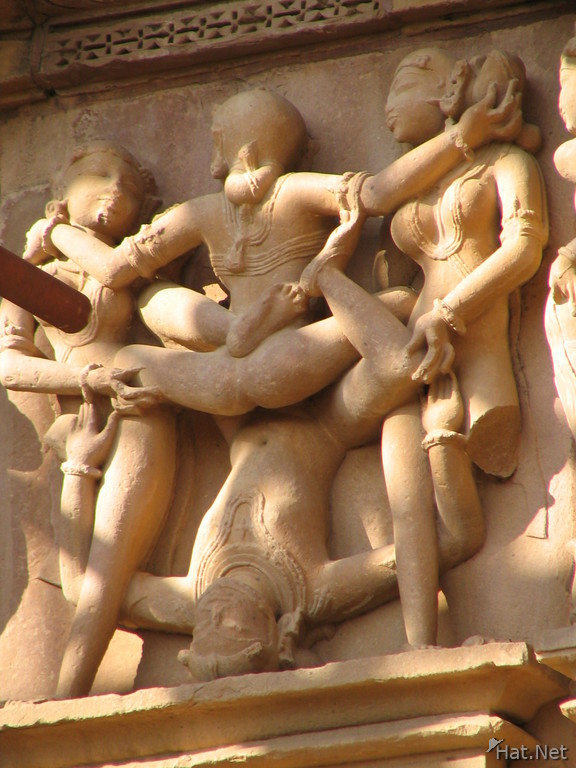
လူတုိ႔ လိင္စိတ္ ႏုိးထေသာအခါ ေယာက္်ား လိင္တံ တြင္ ေသြးမ်ား ပုိမုိသြင္းၿပီး လိင္တံတင္းမာျခင္း ျဖစ္လာသည္။ ၎သည္ ေယာက္်ားတုိ႔တြင္ အျမင္သာဆံုးႏွင့္ အယံုၾကည္ရဆံုး လကၡနာ ျဖစ္သည္။ မိန္းမတုိ႔တြင္ ေယာနိ တြင္ ျဖစ္ေပၚလာႏူိင္ေသာ လိင္ဆက္ဆံျခင္း အတြက္ အေရၾကည္မ်ား အလုိလုိ စြက္ေပးသည္။ အျခား သတၱဝါမ်ားႏွင့္မတူ လူသည္ ႏွစ္ပါတ္လံုး လိင္စိတ္ ႏုိးထျခင္း ျဖစ္ေပၚႏူိင္ေသာေၾကာင့္ လူတြင္ မိတ္လုိက္ရာသီ မရွိေခ်။ လိင္ပညာရွင္ David Schnarch က ရုိးသားေသာ လူႏွစ္ဦး လိင္အျပဳအမူကုိ ၾကည့္ယံုျဖင့္ပင္ ထုိသူမ်ား လိင္စိတ္ ျပင္းထန္စြာျဖစ္ေပၚမႈေၾကာင့္ လိင္စိတ္ ႏုိးထျခင္းျဖင့္ႏူိင္သည္ဟုဆုိသည္။ သာမန္ အေျခာက္မဟုတ္ေသာ ေယာက္်ားတုိ႔သည္ မိန္းမ၏ ကုိယ္လံုးတည္း သုိ႔မဟုတ္ တဝက္ကုိ ျမင္သည္ပင္လွ်င္ပင္ လိင္စိတ္ ႏုိးထျခင္း ျဖစ္ႏူိင္သည္။ သင့္တင့္ေလွာက္ပတ္ေသာ လံႈေဆာ္မႈကုိေပးပါက လိင္စိတ္ ႏုိးထျခင္းမွတဆင့္ လိင္အထြတ္အထိတ္ အထိ ျဖစ္ႏူိင္သည္။
လိင္စိတ္ ႏုိးထစဥ္ ရုပ္ပုိင္းဆုိင္ရာေျပာင္းလည္းျခင္းတုိ႔မွာ

ေယာက္်ားတုိ႔တြင္
ေသြးမ်ားျဖင့္ ေယာက္်ား လိင္တံ ေတာင့္လာသည္
ေယာက္်ား လိင္တံရွိ ေသြးေၾကာမ်ား ထင္ရွားစြာ ေပၚလာသည္
ေရွ႕အေရျပား ၾကံဳ၍ တုိကာ ငုတ္ေနေသာ ကြမ္းသီးေခါင္း ေပၚလာသည္
အေရၾကည္ထြက္လာသည္
ေဝွးေစ့တင္းလာသည္
ေဝွးေစ့ အေပၚကပ္လာသည္
Scrotum အေရျပား ထူအမ္းလာသည္
မိန္းမတုိ႔တြင္


ႏုိ႔အံု ႀကီးလာသည္
ႏုိ႔သီးေခါင္း ေတာင့္လာသည္[1]
ေယာနိတြင္ အေရၾကည္ထြက္လာသည္
ေယာနိႀကီးထြားလာသည္
ေသြးမ်ားျဖင့္ မိန္းမအဂၤါ အေစ့ ေတာင့္လာသည္
ဆီးခံု ျမင့္တက္လာၿပီး မိန္းမအဂၤါဇာတ္ က်ယ္လာသည္
မိန္းမအဂၤါဇာတ္ အတြင္း ႏုပ္ခမ္း ႏွင့္ အျပင္ ႏုပ္ခမ္း မ်ား အေရာင္၊ ပံုသ႑ာန္ ႏွင့္ အရြယ္အစား ေျပာင္းလာသည္

လိင္ဆက္ဆံျခင္း

ဇီဝေဗဒ အျမင္အားျဖင့္ လိင္ ဆက္ဆံျခင္း သည္ အဖုိ လိင္ အဂၤါ သည္ အမ လိင္ အဂၤါ အတြင္းသုိ႔ ေရာက္ေသာ အျပဳအမူ ပင္ျဖစ္ၿပီး စက္ယွက္ျခင္း ဟုလည္း ေခၚသည္။ [1][2] ၄င္းႏွစ္ခုသည္ ဆန္႔က်င္ဖက္ လိင္ သုိ႔မဟုတ္ ပတ္က်ိကဲ့သုိ႔ ဖုိမဒြိ သတၱဝါ တြင္ လိင္တူလည္း ျဖစ္ႏုိင္သည္။
အစဥ္အလာ အားျဖင့္ လိင္ဆက္ဆံျခင္းကုိ ေယာက္်ား ႏွင့္ မိန္းမ စက္ယွက္ျခင္းဟု ထင္မိၾကၿပီး ယခုထိတုိင္ ထုိအဓိပၸါယ္ ေဆာင္ေသးသည္။ သုိ႔ေသာ္ ၄င္းအဓိပၸါယ္မွာ မၾကာေသးမွီ ႏွစ္မ်ားမွ က်ယ္ျပန္႔လာၿပီး အနည္းဆံုး စက္ယွက္ျခင္း သံုးမ်ဳိး အထိ သက္ေရာက္သည္။ ၎စက္ယွက္ျခင္း သံုးမ်ဳိး မွာ ေယာနိတြင္း စက္ယွက္ျခင္း၊ ပါးစပ္ျဖင့္ စက္ယွက္ျခင္း ႏွင့္ စအုိျဖင့္ စက္ယွက္ျခင္း ဟူ၍ ရွိသည္။
လူမွလြဲ၍ အျခား သတၱဝါတုိ႔၏ စက္ယွက္ျခင္းမွာ အဓိကအားျဖင့္ မ်ဳိးပြား ရန္ အတြက္သာ ျဖစ္ၿပီး မ်ဳိးဥလာခ်ိန္တြင္သာ ျပဳလုပ္သည္။ သုိ႔ေသာ္ လူဝံ၊ လင္းပုိင္ႏွင့္ ခ်င္ပန္ဇီေမ်ာက္ တုိ႔သည္ မ်ဳိးဥလာခ်ိန္ မဟုတ္ပဲ စက္ယွက္တက္ၿပီး တစ္ခါတစ္ရံ လိင္တူပါ ဆက္ဆံျခင္း ျပဳသည္။ အထက္ေဖာ္ျပပါ အျပဳအမူ တုိ႔မွာ သာယာမႈ ထက္ပုိလြန္ေသာ ရည္ရြယ္ခ်က္ရွိၿပီး လူမႈေရး ခုိင္မာရန္ ျဖစ္သည္။

တိရစာၦန္ တုိ႔တြင္
- Main article: မိတ္လုိက္ျခင္း
ဟသၤာ ႏွစ္ေကာင္ မိတ္လုိက္ပံု
ေရထဲတြင္ ေနေသာ သတၱဝါ တုိ႔သည္ ျပင္ပ သေႏၶေအာင္ျခင္း နည္းကုိ သံုးၿပီး Late Ordovician ေခတ္ေရာက္ေသာ အခါမွ သတၱဝါ တုိ႔ တုိးတက္လာၿပီးဂမိတ္မ်ားကုိ အရည္တြင္း ႀကီးထြားေစရန္ ကုိယ္တြင္း သေႏၶေအာင္ျခင္း ကုိ သံုးလာသည္။ ေၾကာရုိးရွိ သတၱဝါ အမ်ားသည္ ရင္ေခါင္းေပါက္မွ cloacalမ်ဳိးစပ္ျခင္း၊ ႏို႕တိုက္ သတၱဝါမ်ားသည္ ေယာနိ မ်ဳိးစပ္ျခင္း ျဖင့္ ကုိယ္တြင္း သေႏၶေအာင္ျခင္းျဖစ္ ကာ ေျမေလွ်ာက္ ေၾကာရုိးရွိ သတၱဝါမ်ားသည္ ျပင္ပ သေႏၶေအာင္ျခင္း ကုိသာသံုးသည္။
လူ တုိ႔တြင္
လူတုိ႔ လိင္ဆက္ဆံပံု
လူတုိ႔သည္ ေယာနိ မ်ဳိးစပ္ျခင္း ကုိသံုးသည္။ လိင္ဆက္ဆံျခင္းသည္ မ်ဳိးဆက္ျပန္႔ပြားေရး အတြက္သာ ျဖစ္ေသာ္လည္း တစ္ခါတစ္ရံ အေျပာသက္သက္မဟုတ္ေၾကာင္း အခ်စ္ ကုိျပသရန္ ႏွင့္ စိတ္ျခင္း နီးစပ္မႈရေစရန္ သံုးသည္။ လိင္ဆက္ဆံျခင္းသည္ ထံုးစံအားျဖင့္ ျပင္းထန္ေသာ ေႏွာင္ႀကိဳး ကုိရေစၿပီး လူ႔ အသုိင္းအဝုိင္း တုိ႔တြင္ သာမန္ အတြဲ တုိ႔မွာ သာယာမႈကုိ မွ်ေဝရန္ႏွင့္ စိတ္လံုျခံဳမႈ ခုိင္မာေစရန္ သေႏၶတားေဆးကုိ တမင္သံုး၍ မၾကာခဏ လိင္ဆက္ဆံေလ့ရွိသည္။
လိင္ဆက္ဆံျခင္းကုိ အျခား ထုိးသြင္းနည္း မ်ားျဖစ္သည့္ စအို သုိ႔မဟုတ္ ပါးစပ္ တုိ႔ကုိလည္း ေခၚႏုိင္သည္။ လိင္ဆက္ဆံျခင္း ဆုိသည္မွာ ၄င္း အျပဳအမူ အားလံုးပါၿပီး မထုိးသြင္းေသာ လိင္ဆက္ဆံျခင္း နည္းမ်ားကုိ ဤတြင္ မေဖာ္ျပပါ။
စပ္ယွက္ျခင္းကုိ အစဦးပုိင္းတြင္ လိင္စိတ္ဆြျခင္းမွ လာၿပီး လိင္စိတ္ ႏုိးထေသာအခါ ေယာက္်ား လိင္အဂၤါ သည္ လိင္တံတင္းမာျခင္း ျဖစ္ၿပီး မိန္းမ မ်ိဳးပြားအဂၤါသည္ သဘာဝ ဆီလိမ္းျခင္း ျဖစ္လာသည္။
စပ္ယွက္ျခင္း ျပဳရန္မွာ ေယာက္်ား လိင္တံကုိ မိန္းမ ေယာနိ အတြင္းသုိ႔ ထုိးသြင္းရၿပီး တစ္ေယာက္ သုိ႔မဟုတ္ ႏွစ္ေယာက္လံုး သူတုိ႔၏ တင္ပါးမ်ားကုိ လႈပ္ရွားၾကၿပီး လိင္တံသည္ ေယာနိတြင္ ေရွ႕ေနာက္ လံုးဝ ထုတ္ျခင္း မျပဳပဲ ေရြ႕လ်ားကာ ပြတ္တုိက္ျခင္း ျဖစ္ေစသည္။ ဤနည္းျဖင့္ ၎တုိ႔ဘာသာ သုိ႔မဟုတ္ အျပန္အလွန္ ဆြေပးျခင္း ျဖစ္ကာ တစ္ေယာက္ေသာ သုိ႔မဟုတ္ ႏွစ္ေယာက္ စလံုး လိင္အထြဋ္အထိပ္သုိ႔ ေရာက္ျခင္းျဖင့္ အဆံုးသတ္သည္။
စပ္ယွက္ျခင္း သည္ လူတုိ႔၏ အေျခခံ မ်ဳိးပြားျခင္း ျဖစ္သည္။ မ်ားေသာအားျဖင့္ လိင္အထြဋ္အထိပ္ ေသာအခါ သုတ္ပန္းျခင္း အဆင့္တြင္ ၾကြက္သားမ်ား ဆက္တုိက္ က်ံဳ႕ၾကြျခင္းျဖင့္ အဖုိ ဂမိတ္ ပါေသာ သုတ္ရည္ကုိ လိင္ေခ်ာင္းမွ တစ္ဆင့္ မိန္းမ အဂၤါ အထိ သယ္ေဆာင္ေပးသည္။
ေနာက္ပုိင္းတြင္ ၄င္းသုတ္ေကာင္တုိ႔သည္ ေယာနိအုိး မွ ဆီးခံုကုိ ျဖတ္ကာ သားအိမ္သုိ႔ ေရာက္ရွိၿပီး fallopian tube ထဲ့သုိ႔ က်သြားသည္။ သုတ္ပန္းစဥ္တြင္ သန္းေပါင္းမ်ားစြာေသာ သုတ္ေကာင္မ်ား ပါရွိၿပီး မ်ဳိးေအာင္ရန္ ပုိမုိ လမ္းစ ရေစသည္။ အမ်ဳိးသမီး လိင္အထြဋ္အထိပ္ ေရာက္ျခင္းသည္ သေႏၶတည္ရန္ အတြက္ မလုိေသာ္လည္း အကယ္၍ သုတ္ပန္းခ်ိန္တြင္ အမ်ဳိးသမီး ကလည္း လိင္အထြဋ္အထိပ္ ေရာက္ခဲ့လွ်င္ ေယာနိ က်ံဳ႕သြားျခင္းေၾကာင့္ သုတ္ေကာင္ fallopian tube ထဲ့သုိ႔ ေရာက္ရန္ အေျခအေနေပးကာ ပုိမုိ မ်ဳိးေအာင္ေစသည္။Template:Cnအဖိုမ်ိဳးျဖစ္သည့္ သုတ္ေကာင္ ႏွင့္ အမ မ်ိဳးဥတို႔ေပါင္းမိ၍ မ်ဳိးေအာင္ၿပီးေသာ မ်ဳိးဥ သည္ endometrium ေခၚ သားအိမ္ရွိ နံရံတြင္ ကပ္သြားၿပီး သေႏၶတည္ျခင္း ျဖစ္ေစသည္။

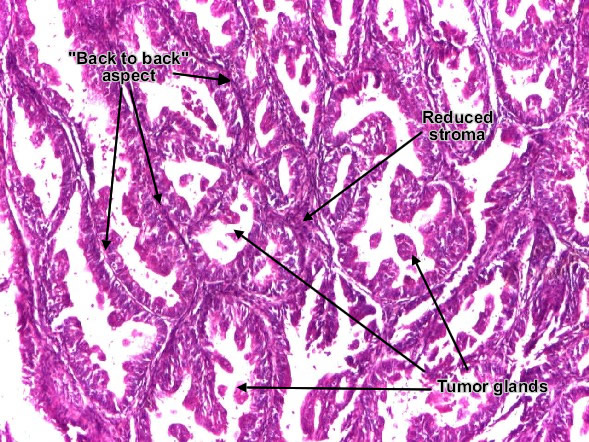
အျခား သတၱဝါမ်ားႏွင့္ ျခားနားသည္မွာ လူတုိ႔ ၏ စပ္ယွက္ျခင္းသည္ ဆိတ္ကြယ္ရာအရပ္တြင္ ျပဳက်င့္ၾကျခင္းပင္ ျဖစ္သည္။ ထုိ႔အျပင္ လူတုိ႔၏ လိင္စိတ္သည္ မ်ဳိးဥေႂကြခ်ိန္ ႏွင့္ ဆက္စပ္မႈ မရွိပဲ မည္သည့္ အခ်ိန္အခါမဆုိ ျဖစ္ႏုိင္သလုိ ကုိယ္ဝန္ေဆာင္စဥ္တြင္လည္း ျဖစ္ႏုိင္သည္။
မိန္းမ မ်ိဳးပြားအဂၤါ
| ေယာနိ | |||
|---|---|---|---|
လူ၏ အမ မ်ဳိးပြားစနစ္ အဂၤါမ်ား – ေဘးတုိက္ပံု | |||
| Latin | “sheath” or “scabbard“ | ||
| Gray’s | subject #269 1264 | ||
| Artery | Iliolumbar artery,vaginal artery, middle rectal artery | ||
| Lymph | upper part to internal iliac lymph nodes, lower part tosuperficial inguinal lymph nodes | ||
| Precursor | urogenital sinus andparamesonephric ducts | ||
| MeSH | ေယာနိ | ||
| Dorlands/Elsevier | v_01/12842531 | ||
ေယာနိ သည္ ၾကြက္သားမွ်င္ (Fibromuscular) တုိ႔ျဖင့္ ဖြဲစည္းထားၿပီး အလံုးေခါင္းပံုရွိကာ ခႏၶာကုိယ္တြင္းရွိ သားအိမ္တုိင္ေအာင္ေရာက္သည္။ အင္းဆက္ အမမ်ားႏွင့္ အခ်ဳိ႕ေသာ ေၾကာရုိးမဲ့ သတၱဝါ တုိ႔လည္း ေယာနိ ရွိၿပီး သားေမြးလမ္းေၾကာင္းလည္း ျဖစ္သည္။
အရပ္ေခၚတြင္ ေယာနိကုိ Vagina သုိ႔မဟုတ္ အျပင္ပန္း မအဂၤါဟုသာ ထင္ေသာ္လည္း အတိအက်အားျဖင့္ ေယာနိမွာ အတြင္းပုိင္းႏွင့္ အျပင္ပုိင္း အားလံုးပါသည္။
လူမိန္းမ၏ ခႏၶာေဗဒ
Read more »Labels: Health-II, Sexual Education, Sexual Education-V
လိင္ဆက္ဆံရာတြင္ အမ်ိဳးသမီးမ်ား ျပီးျခင္း
က်ြန္ေတာ္အေနႏွင့္ ကာမပိုင္းဆိုင္ရာ post မ်ားကိုအလ်င္းသင့္သလိုတင္ေနရျခင္းမွာ
ပြင့္ပြင့္လင္းလင္းသိကိုသိထားသင့္သည္ဟု ယူဆထားျခင္းေၾကာင့္သာျဖစ္ပါသည္.....
ညစ္ျငမ္းေစသည္မ်ားကို ဖတ္ေစခ်င္သည့္သေဘာမ်ိဳး မပါပါ...
သို့ေသာ္အရြယ္ေရာက္ျပီးသူမ်ားသာဖတ္သင့္ပါသည္.......
ထို့ေၾကာင့္
အသက္ ( ၁၈ )ျပည့္မွဖတ္ပါ....
“Orgasm ဆိုတာ လိင္စိတ္ႏိုးဆြရာက ျဖစ္လာတဲ့ အက်ိဳးရလဒ္ ဇီ၀ကမၼျဖစ္စဥ္တရပ္” လို႔ အဓိပၸါယ္ ဖြင့္ပါတယ္။ “လိင္ဆက္ဆံမႈ ျဖစ္စဥ္ရဲ႕ အဆံုးပိုင္း” လို႔ ေယဘူယ်ေျပာၾကေပမဲ့ အတိအက်ဆိုရင္ မဟုတ္ေသးပါ။ (မာစတာေဘးရွင္း) ကို ဆက္ဆံမႈတခုရဲ႕ အစိတ္အပိုင္းတခုျဖစ္ျဖစ္၊ အျပီးေရာက္သြားေအာင္ျဖစ္ျဖစ္ လုပ္လို႔ရတယ္။ တေယာက္တည္းက ျဖစ္ျဖစ္ တေယာက္မကျဖစ္ျဖစ္၊ အဂၤါတမ်ိဳးထဲသံုးျပီး ရရွိႏိုင္လို႔ ျဖစ္ပါတယ္။ Orgasm က်ား-မ ႏွစ္မ်ိဳး ရွိတာထဲက “မ” နဲ႔ ပတ္သက္တာကိုသာ ေရြးေရးပါမယ္။
အျပီးေရာက္ဘို႔ ေယာက္်ား ၂-၅ မိနစ္၊ မိန္းမ ၂၀ မိနစ္ၾကာတယ္လို႔ ဆိုတယ္။ သုေတသန အမ်ိဳးမ်ိဳးက ကိန္းဂဏန္း အမ်ိဳးမ်ိဳး ထုတ္တယ္။ မတူၾကဘူး။ မတူတဲ့ အထဲမွာ တူတာက “အမ်ိဳးသမီးမ်ားဟာ ေယာက္်ား တခါျပီးတိုင္း၊ သူတို႔ တခါမျပီးပါ။” ထပ္တူေသးျပန္တာက “မိန္းမေတြ ရာႏံႈးတခ်ိဳ႕ (၇-၁၀%) က တခါမွ မတခါဘူး။” တခ်ိဳ႕ဆိုရင္ Orgasm ျဖစ္ရမွန္းကိုေတာင္မွ မသိရွာၾကပါ။
စိတ္ပ်က္စရာ မေကာင္းတာကေတာ့ အမ်ိဳးသမီးမ်ားဟာ ျပီးမသြားေပမဲ့ အမ်ားအားျဖင့္ ေက်နပ္မႈရၾကတယ္။ ပူးကပ္-ပြတ္သပ္မႈ၊ ယုယ-အႏွစ္သက္ခံရမႈ၊ စတာေတြအေပၚမွာ တန္ဘိုးၾကီးၾကီးထားတယ္။ နဲနဲလြဲေနတာတခုက “မိန္းမ ျပီးတာကို မိန္းမထက္ ေယာက္်ားက ပိုျဖစ္ေစခ်င္ေနတတ္တယ္။” အမ်ိဳးသမီး မျပီးတာက ငါ့ေၾကာင့္လား။ သူ႔ေၾကာင့္လား ေတြးလာလို႔ပါ။
၁၉၆၀ ခုႏွစ္မွာ က်ား ၃၁၂ နဲ႔ မ ၃၈၂ ကို Orgasm ျဖစ္ရင္ ဘာေတြ ျဖစ္လာသလဲဆိုတာ စမ္းသပ္ျပီး၊ ထုတ္ျပန္တာက “စိတ္လႈတ္ရွားမႈ အရွိန္တက္လာ၊ ေသြးစီးဆင္းမႈ မ်ားလာ၊ ဒီအဆင့္မွာ တန္းေနရာကေန (ေအာ္ဂဇင္) ျဖစ္လာျပီး၊ ေနာက္ဆံုး အားလံုး ျပန္ေလွ်ာ့က်သြားတယ္။” လို႔ ဆိုပါတယ္။ ၁၀ ႏွစ္ၾကာေတာ့ အမ်ိဳးသမီး သုေတသီတေယာက္ကေန ထပ္ျဖည့္တာက “စိတ္လႈတ္ရွားမႈထဲမွာ စိုးရိမ္မႈ၊ ခုခံႏိုင္စြမ္းမဲ့မႈနဲ႔ အျပန္အလွန္ ေျပာဆိုႏိုင္စြမ္းမရွိမႈ ေတြေၾကာင့္ လိင္စိတ္ကို နည္းေစႏိုင္သလို၊ (ေအာ္ဂဇင္) ရမွာကိုပါ တားဆီးေစႏိုင္တယ္။” တဲ့။
ေနာက္ ၁၀ ႏွစ္ၾကာျပန္ေတာ့ အမ်ိဳးသမီးပညာရွင္ တေယာက္က “Desire ဆႏၵက Arousal စိတ္ျဖစ္ေပၚမႈ နဲ႔ Orgasm ျပီးဆံုးျခင္းကို သက္ေရာက္ေစတာ မွန္ေပမဲ့၊ Orgasm ဟာ အထြတ္အထိပ္ မဟုတ္ဘူး။ ဆက္ဆံမႈ အဆင့္တဆင့္မွာလည္း ေက်နပ္မႈ ရေစႏိုင္တယ္” လို႔ ယူဆပါသတဲ့။ (ေအာ္ဂဇင္) ဟာ သာယာမႈအထြတ္အထိပ္လို႔ အလြယ္ေျပာတာ သိပ္မမွန္ပါ။ အဓမၼျပဳက်င့္တာ ခံရတဲ့အခါ ရွက္စိတ္နဲ႔ေရာျပီး၊ “အနည္းအပါး” ျဖစ္သြားတတ္ေသးတယ္။
Orgasm ဟာ က်န္းမာေရးအတြက္ အမ်ားၾကီး အေထာက္အကူျပဳပါတယ္။ ၁၉၉၇ တံုးက British Medical Journal မွာ အသက္ ၄၅-၅၉ ရွိသူ ေယာက္်ား ၉၁၈ ဦးကို ၁၀ ႏွစ္တာ စမ္းသပ္တဲ့အခါ၊ Orgasms နည္းနည္းသာ ျဖစ္ခဲ့သူေတြက ပိုျပီး အသက္တိုတယ္။ လိင္ဆက္ဆံမႈ ရွိခဲ့သူေတြမွာ ႏွလံုးေရာဂါျဖစ္တာလည္း ထက္၀က္ နည္းတယ္လို႔ ေရးခဲ့တယ္။ (ကလိုရီ) အမ်ားၾကီး သံုးျပစ္လို႔ အေလးခ်ိန္ က်ေစႏိုင္တယ္။
အမ်ိဳးသမီးမွာ Orgasm ရရင္ ကေလးရႏိုင္လမ္း ပိုမ်ားေစတယ္လို႔ ဆိုတယ္။ အဲဒီခ်ိန္မွာ သူ႔ေမြးလမ္းက ပိုတိုသြားတဲ့ျပင္ စုပ္အား ျဖစ္လာလို႔တဲ့။ ဒါကို မွန္းေျပာၾကတာေတာ့ မဟုတ္ဘူး။ ၁၉၉၄ တံုးက (ေဗာ္လန္တီယာ) အမ်ိဳးသမီးေတြကို လိင္ဆက္ဆံေနတံုး (ဗဂ်ိဳင္းနား) ထဲမွာ Fiber optic cameras ထည့္ထားျပီး ေလ့လာတာပါ။
ဒီအဆင့္ ေရာက္ေတာ့မယ္ ဆိုတာကို သူမကိုယ္တိုင္ သိတယ္။ Sex flush မ်က္ႏွာနီျမန္းလာမယ္။ Clitoris သန္မာလာျပီး၊ အတြင္းကို ငံု႔လာတယ္။ Vagina ပိုစိုစြပ္လာျပီး၊ ႏုတ္ခမ္းၾကြက္သားငယ္က အေရာင္ရင့္ လာမယ္။ အ၀ပိုင္းက ၾကံဳ႔-ၾကပ္လာျပီး၊ က်န္အပိုင္းက ပိုရွည္၊ ပိုက်ယ္၊ ပိုေဖါင္းၾကြလာတယ္။ ရင္သားထိပ္ တင္းေတာင့္လာတယ္။ သားအိမ္၊ ေမြးလမ္း၊ စအို၊ တင္ပါးဆံုထဲက ၾကြက္သားေတြ “အလိုအေလ်ာက္” စည္းခ်က္က်က် ၾကံဳ႕လာတယ္။ ႏွလံုးခုန္ႏံႈး ျမန္လာတယ္။ အသက္ရွဴတာ ျမန္လာ-ျပင္းလာတယ္။ ဒါ့ျပင္ သားအိမ္ကပါ ၃-၁၅ ခါေလာက္ ၾကံဳ႕လာတယ္။ ကေလးဖြါးခ်ိန္ ထြက္တဲ့ Oxytocin ေဟာ္မုန္း ထြက္လာတယ္။ သာယာမႈ အထြတ္အထိပ္ကို ခံစားရတယ္။ Euphoric sensation “ပီတိလႊမ္းျဖာ ခံစားမႈပါ” လို႔ ေျပာႏိုင္တယ္။
ေယာက္်ားေတြလို ပန္းထြက္တာမ်ိဳး အမ်ိဳးသမီးကလည္း အဆံုးသတ္မွာ Ejaculation ျဖစ္ႏိုင္တယ္လို႔ ဆိုၾကတယ္။ ဆီးသြားျပြန္ေဘးက Ducts ငယ္ေလးေတြကေန ဆီးသြားသလို အရည္ထြက္လာတဲ့။ ျငင္းေနၾကဆဲပါ။
Orgasm ကိုေတာ့ လူတိုင္းလိုလိုက သိၾကတယ္။ Anorgasmia, Ejaculatory Anhedonia, Inorgasmia ဆိုတဲ့ ေဆးေ၀ါဟာရေတြကိုေတာ့ ဆရာ၀န္တခ်ိဳ႕ေတာင္မွ သိပ္ သတိမထားမိတတ္ၾကပါ။ Orgasm မျဖစ္တာကို ေခၚတာပါ။
အမ်ိဳးသမီး ျပီးစီးေအာင္ ဘယ္လို ၾကံေဆာင္မလဲ။ Clitoris က အေရးပါလာတယ္။ (ကလိုက္ေတာရစ္) ဟာ အမ်ိဳးသား လိင္အဂၤါနဲ႔ ခႏၶာေဗဒအရ တသေဘာတည္း ျဖစ္တယ္။ သူ႔အေရးပါမႈကို အမ်ားက လက္ခံၾကတယ္။ Freud’s theory အရ Clitoral orgasm (ကလိုက္ေတာရစ္) ေက်နပ္မႈ နဲ႔ Vaginal orgasm (ဗဂ်ိဳင္းနား) ေက်နပ္မႈ ဆိုျပီး၊ ႏွစ္မ်ိဳး ခြဲထားတယ္။ ပဌမ အမ်ိဳးအစားဟာ အပ်ိဳျဖစ္ခ်ိန္မွာ ျဖစ္တာနဲ႔ ေနာက္တမ်ိဳးက အရြယ္ေရာက္ျပီးသူေတြနဲ႔ ဆိုင္တယ္။ အပ်ိဳစစ္စစ္ ျဖစ္အံုးေတာ့ Clitoris ကို ႏိုးဆြရင္ (ေအာ္ဂဇင္) ရေစႏိုင္တာျဖစ္ျပီး၊ ေနာက္ တမ်ိဳးမွာေတာ့ (ဗဂ်ိဳင္းနား) ကို အသံုးခ်မွ ရတာျဖစ္တယ္။
ဒီ (သီအိုရီ) အရဆိုရင္ အရြယ္ရွိသူေတြမွာ Clitoris ရဲ႕ အေရးပါမႈကို ေဘးခ်ိတ္ထားသလို ေျပာရာ က်ေနတယ္။ Clitoris မွာ ခံစားႏိုင္တဲ့ အာရံုေၾကာေတြ အမ်ားၾကီးရွိတာမို႔ ကလိရင္-ထိရင္ လိင္စိတ္ ၾကြေစတယ္။ ဆက္ဆံေနခ်ိန္မွာ ေနရာကို က်ားအဂၤါနဲ႔ ထိေစရင္ အဲဒီအက်ိဳးကို ရေစတယ္။ က်ားအဂၤါနဲ႔သာ မဟုတ္ပါ။ ကိုယ္တိုင္ျဖစ္ျဖစ္ ကရိယာနဲ႔ ျဖစ္ျဖစ္ ထိေစရင္လည္း ျဖစ္ပါတယ္။ ခံစားၾကပံုခ်င္း တဦးနဲ႔တဦး မတူဘူး။ တခ်ိဳ႕က ထိပ္ေနရာကို ဘယ္ေလာက္ ထိ-ကိုင္-ပြတ္သပ္ပါေစ ခံႏိုင္ေပမဲ့၊ တခ်ိဳ႕ၾက သိပ္ Sensative ျဖစ္တာမို႔ အသာအယာ မဟုတ္ရင္ နာတာျဖစ္ေစတယ္။ ျမင္ႏိုင္တဲ့ေနရာ သာမကပါ၊ အထဲမွာ အဂၤါအ၀ ေဘးတဖက္ဆီ ဆက္ဆင္းသြားတဲ့ ျမင္းခြါပံုလို (တစ္ရွဴး) ရွိေသးတယ္။ ဒီအစိတ္အပိုင္းကိုပါ ထိမိရင္ ခံစားမႈပိုေစတယ္။ နာတာလည္း မရွိဘူး။
ေနာက္ထပ္ အေရးပါတာ လာျပန္ပါေသးတယ္။ G-spot ဆိုတဲ့ေနရာကို Dr. Ernst Grafenberg ကေန စေျပာခဲ့တာမို႔ သူ႔နာမည္ကို ဂုဏ္ျပဳထားတာပါ။ လူေျပာမ်ားတယ္။ တကယ္ ရွိတယ္-မရွိဘူး၊ ရွိရင္လည္း ဘယ္မွာရွိလဲ၊ ျငင္းေနၾကတံုးဘဲ။ (ဗဂ်ိဳင္းနား) နံရံရဲ႕ ေရွ႕-အေပၚပိုင္း၊ ဆီးစပ္ရိုး ေအာက္-ေနာက္နားမွာလို႔ ေျပာတယ္။ ေနရာကို ႏွစ္ခြ ေရးရတာကေတာ့ ခႏၶာေဗဒကို စာသင္သလို ေျပာရရင္ လူတေယာက္ကို “မတ္တပ္ရပ္၊ ေရွ႕တည့္တည့္ၾကည့္၊ လက္ကို ဆန္႔တန္း၊ လက္၀ါးကို ျဖန္႔ျပီး ေရွ႕ကို မ်က္ႏွာမူတဲ့ အေနအထား” ေပၚ မူတည္ျပီး၊ တခုနဲ႔တခုကို ႏိႈင္းေျပာရတယ္။ ဆိုလိုတာက လက္ေျမွာက္ထားေပမဲ့ တံေတာင္ဆစ္ဟာ လက္ေကာက္၀တ္ရဲ႕ အထက္မွာ။ အိပ္ေနေန၊ မေနေန အမ်ိဳးသမီး ဆီးသြားလမ္းဟာ (ဗဂ်ိဳင္းနား)ရဲ႕ ေရွ႕မွာ ရွိတယ္လို႔ ေျပာရတယ္။
ရင္သား၊ တင္ပါး နဲ႔ စအိုတို႔ကလည္း လိင္စိတ္ၾကြေစတဲ့အျပင္ (ေအာ္ဂဇင္) အထိ အေထာက္အကူျပဳတယ္။ တခ်ိဳ႕မွာ Sexual dreams အိပ္မက္ေၾကာင့္လည္း ရေစႏိုင္တယ္။
စကားပံုတခုရွိတယ္။ “ေယာက္်ားသည္ မီး၊ မိန္းမသည္ ေရ” တဲ့။ မီးကေန ေရကို ပြက္ဆူေစရပါသတဲ့။ ဒီသေဘာအတိုင္း Orgasm ရေအာင္ ေယာက္်ားကေန စြမ္းေဆာင္ေပးဘို႔ လိုတယ္။ အမ်ိဳးသမီးေတြက စိတ္ျဖစ္ေပၚလာဘို႔ အခ်ိန္ ပိုယူတယ္။ သူတို႔အမ်ားစုက Foreplay ၾကိဳတင္ႏိုးဆြမႈ လုပ္တာကို အမ်ိဳးသားေတြထက္ ပိုသေဘာက်တယ္။ ဘယ္လို လုပ္သင့္တယ္ ဆိုတာ ေဆးပညာ မတတ္လည္း နားလည္ၾကတာမို႔ မေရးေတာ့ပါ။ ေရးခ်င္တာက “မေလာပါနဲ႔။ အတင္း မျဖစ္မေန Orgasm ရေအာင္ အလုပ္မခိုင္းပါနဲ႔။ OG သြားျပခိုင္းတာကို ေနာက္ဆံုးၾကမွ စဥ္းစားပါ။”
စိတ္တူသေဘာတူ ေယာက္်ား Orgasm ရတာကို အမ်ိဳးသမီးက သိပ္တန္ဘိုးထားတယ္။ သူ႔မအတြက္ပါ ေက်နပ္မႈ ျဖစ္ေစတယ္။ အမ်ိဳးသမီးေတြက တခါ Orgasm ရျပီး၊ ဆက္တိုက္ဆိုသလို စိတ္ျဖစ္ေပၚမႈ ျပန္ရလာတယ္။ ေယာက္်ားမ်ား ကေတာ့ တခါျပီးတဲ့ေနာက္ အခ်ိန္ ကန္႔လန္႔ကာ ခ်လိုက္ရေသးတယ္။ အမ်ိဳးသမီးေတြက “တဆက္တည္း” တခါမက ရႏိုင္တယ္။ Multiple orgasms ရွိတာ ေသျခာတယ္။ ေနာက္တခါ ထပ္ရတာက ပိုေတာင္ ျပင္းထံေသးတယ္။ ေနာက္ျပန္ရဘို႔က အရင္တခါေလာက္ အခ်ိန္မယူဘူး။ ဆိုင္ရာေနရာ-အဂၤါေတြက ပိုျပီး Sensitive ျဖစ္လာလို႔ပါ။ သူတို႔မွာ (ေအာ္ဂဇင္) ကို ခံစားရခ်ိန္ကလည္း အမ်ိဳးသားထက္ အခ်ိန္ပိုၾကာတယ္။ “ေယာက္်ားထက္အရင္ မိန္းမက Orgasm ရတာမ်ိဳးက (ပါဖက္) ျဖစ္တယ္လို႔ ဆိုႏိုင္တယ္။”
Orgasm ရေစခ်င္ရင္ အမ်ိဳးသမီးအေနနဲ႔ စိတ္ပိုင္းအေျခအေန လံုျခံဳမႈရွိေနေစသင့္တယ္။ အေဖၚမွာ STD ရွိသလား။ သူမ်ားေတြ ျမင္မွာေလလား။ Orgasm ဆိုတာက ဘယ္လိုက ဘယ္လို ဆိုတာကိုပါ သိသင့္တယ္။ အမ်ိဳးသမီးကို သူ႔ဖါသူ (မာစတာေဘးရွင္း) အလုပ္ခိုင္းဘို႔လည္း အၾကံေပးၾကတယ္။ Fantasies အဆန္းေတြလည္း တခ်ိဳ႕က သေဘာက်တယ္။ သူမ်ားၾကိဳက္တာက ကိုယ့္အတြက္ ေကာင္းခ်င္မွ ေကာင္းတာကို သတိျပဳပါ။ အေနအထား ေရြးတတ္ပါ။ “သူမကို ဦးေဆာင္ေစတာဟာ အေကာင္းဆံုး နည္းလမ္းျဖစ္တယ္။”
ေယာက္်ားေတြက Orgasm control လုပ္ႏိုင္တာ၊ အမ်ိဳးသမီးေတြက Orgasm မ်ားမ်ားရတာမ်ိဳးက အေတြ႔အၾကံဳနဲ႔ အသိတရားေပၚမွာ မူတည္တယ္။ အိမ္ေထာင္က်ခါစ မျဖစ္ေသးတာ လူလိုကိုယ္လိုပါ။ မိန္းကေလးေတြဟာ ငယ္ရင္ ျဖစ္သြားခဲ့တာကို သိခ်င္မွ သိအံုးမယ္။ သူ႔အဆင့္နဲ႔သူ တိုးတက္လာမွာပါ။ ျဖစ္ေစ-ေကာင္းေစ လုပ္ႏိုင္တဲ့ ေဆး၀ါးေတြလည္း ရွိေတာ့ရွိတယ္။ အမ်ားအားျဖင့္ တရားမ၀င္ေဆးေတြမို႔ မေရးေတာ့ပါ။ နာမည္ၾကီး Viagra နဲ႔ အလားတူ Vigora ေဆးေတြဟာ ပန္းညွိဳးေရာဂါအတြက္ ျဖစ္ပါတယ္။ ဒီေဆးက က်ားအဂၤါမွာ ေသြးပိုစီးေလွ်ာက္ေစတယ္။ စိတ္ျဖစ္ေပၚမႈကို အားေပးတာ မဟုတ္ဘူး။ ပန္းညွိဳးတာ မဟုတ္လည္း သံုးရင္ အခ်ိန္ၾကာၾကာ ေတာင့္တင္းေနေစတယ္။ ဒါ့ေၾကာင့္ အမ်ိဳးသမီးကို Orgasm ရေအာင္ ကူညီဘို႔ အခ်ိန္ပိုရေစႏိုင္တယ္။ တၾကိမ္မွာ ၅၀ မီလီဂရမ္ဆို လံုေလာက္တယ္။
ဒီအခ်ိန္မ်ိဳးေတြမွာ အမ်ိဳးသမီးကေန Cry and Moan အသံထြက္တာ၊ ေအာ္တာ၊ ငိုမလိုျဖစ္တာမ်ိဳးက တေယာက္နဲ႔ တေယာက္ မတူဘူး။ အသံလံုး၀ မထြက္သေလာက္နဲ႔ က်ယ္ေလာင္တာအထိ ကြာျခားတယ္။ တေယာက္တည္း ေတာင္မွ တခ်ိန္နဲ႔ တခ်ိန္၊ တရြယ္နဲ႔ တရြယ္ မတူဘူး။ ဒါရိုက္တာကေန မင္းသားကို ေျပာခ်င္တယ္ “သူမ်ားလို မဟုတ္လို႔ ကိုယ့္မင္းသမီးကို အထင္မေသးသင့္ဘူး။”
(ရွိတ္စပီးယား) ရဲ႕ (လိုင္း) ေတြရွိတယ္။ “I will live in thy heart, die in thy lap, and be buried in thy eyes” “I will die bravely, like a smug bridegroom” “သူမရဲ႕ ေပါင္ၾကားမွာဘဲ ေသသြားပါေစ။” “ငါဟာ ေသြးနားထင္ေရာက္ေနတဲ့ သတို႔သားလို သတၲိရွိရွိ ေသသြားမယ္။” တဲ့။
Labels: Health, Sexual Education, Sexual Education-V
အမ်ိဳးသားေတြမွာ သုက္ေကာင္ (Sperm) ထုတ္လုပ္ေပးတဲ့ ေနရာကေတာ့ Testicle လို႕ေခၚတဲ့ ေ၀ွးေစ့ ေနရာကပဲ ျဖစ္ပါတယ္။ ဒီကမွတဆင့္ သုက္ေကာင္ေတြဟာ (Vas deferens) လို႕ေခၚတဲ့ လမ္းေၾကာင္းအတုိင္း တက္သြားၿပီး သုတ္ရည္အိတ္ ကထြက္လာတဲ့ သုတ္ရည္(Seminal fluid) နဲ႕ အတူေပါင္းစပ္သြားပါတယ္။ ခႏၶာကိုယ္ ျပင္ပကို ေရာက္လာတဲ့ အခါမွာေတာ့ သုက္ရည္ထဲမွာ သေႏၶေအာင္ေစတဲ့ သုတ္ေကာင္ေတြပါလာၿပီ ျဖစ္ပါတယ္။
အမ်ိဳးသား သားေၾကာျဖတ္တယ္ ဆိုတာကေတာ့ Vas deferens ျပြန္တေနရာကို ခြဲစိတ္ၿပီး ျဖတ္လုိက္တာပဲ ျဖစ္ပါတယ္။ အဂၤလန္ႏုိင္ငံ သားဖြားမီးယပ္ဆိုင္ရာ ေတာ္၀င္ေကာလိပ္ (Royal College of Obstetricians and Gynaecologists) ရဲ႕ ေထာက္ခံမႈ အမ်ားဆံုးရတဲ့ အမ်ိဳးသား သားေၾကာျဖတ္နည္းကေတာ့ No Scalpel vasectomy လို႕ေခၚတဲ့ ခြဲစိတ္ခန္းသံုးဓား ကို အသံုးမျပဳဘဲ သားေၾကာျဖတ္နည္းပဲ ျဖစ္ပါတယ္။ ေမ့ေဆးမလို ထံုေဆးနဲ႕တင္ လုပ္လို႕ရၿပီး ေဆးရံုတက္စရာလည္း မလို၊ ေသြးထြက္မႈလည္း အလြန္နည္းတဲ့ အေသးစား ခြဲစိတ္မႈပဲ ျဖစ္ပါတယ္။ ကပ္ပယ္အိတ္မွာ အေပါက္ေသးေသးေလး ေဖာက္ၿပီး Vas deferens ေတြကို ျဖတ္ေတာက္လိုက္တာပါပဲ။ ခြဲစိတ္မႈအၿပီးမွာ စိတ္ခ်ရေအာင္ အမ်ိဳးသားရဲ႕သုတ္ရည္ထဲ သုက္ေကာင္ပါ၀င္မႈႏႈန္းကို ဓာတ္ခြဲခန္းမွာ စစ္ရ ပါတယ္။ ၁၂ ပတ္ကေန ၁၆ ပတ္အၾကာမွာ အမ်ိဳးသား မ်ိဳးလမ္းေၾကာင္းထဲ လက္က်န္ရွိေနႏုိင္တဲ့ သုတ္ေကာင္ေတြ မရွိေတာ့လုိ႕ စိတ္ခ်ရတဲ့ အေျခအေန ေရာက္သြားပါၿပီ။ ဆီလီကုန္း(Silicone) ဒါမွမဟုတ္ ဓာတုေဆးတမ်ိဳးမ်ိဳးထိုးၿပီး ေရာင္ရမ္း၊ အသားတက္၊ လမ္းေၾကာင္းပိတ္သြားေအာင္ လုပ္တဲ့ နည္းတမ်ိဳးလည္း ရွိပါေသးတယ္။ တရုတ္ႏုိင္ငံမွာ အသံုးမ်ားၿပီး ေတာ္၀င္ေကာလိပ္ကေတာ့ အားမေပးတဲ့ နည္းျဖစ္ပါတယ္။
စိတ္ခ်ရမႈ
ခြဲစိတ္မႈ ၂၀၀၀ မွာ ၁ ေယာက္ ကေလးရသြားႏုိင္ႏႈန္း ရွိပါတယ္။ ၇လ အၾကာ ဓာတ္ခြဲခန္းမွာ သုက္ရည္ကိုစစ္ၾကည့္လို႕ ကေလးရႏုိင္မယ့္ သုက္ေကာင္အေရအတြက္ မပါဘူးဆုိရင္
ကိုယ္၀န္လံုး၀ မရႏုိင္ေတာ့ဘူး လို႕ေတာင္ ေျပာထားၾကပါတယ္။
ေဘးထြက္ဆိုးက်ိဳးမ်ား
ခြဲစိတ္မႈရဲ႕ ေနာက္ဆက္တြဲ ျပႆနာေတြအေနနဲ႕ေတာ့ အနာေရာင္ၿခင္း၊ ပိုး၀င္ၿခင္း၊ ေသြးခဲျဖစ္ျခင္း စတာေတြ တစ္ခါတစ္ရံမွာ ျဖစ္တတ္ပါတယ္။
ေမး။ သားေၾကာျဖတ္လိုက္ျခင္းေၾကာင့္ အမ်ိဳးသားတြင္ စြမ္းေဆာင္ႏုိင္မႈ နည္းပါးသြားႏုိင္ပါသလား။ အားအင္နည္းပါးၿခင္း၊ ကိုယ္ခႏၶာ အေလးခ်ိန္ တိုးလာျခင္း တို႕ ျဖစ္ႏုိင္ပါသလား။
ေျဖ။ မျဖစ္ႏုိင္ပါ။ သားေၾကာျဖတ္ၿပီးေနာက္ အမ်ိဳးသား၏ စိတ္ေရာကုိယ္ပါ မူလအတုိင္း ရွိေနမည္ျဖစ္ပါသည္။ အမ်ိဳးသမီးႏွင့္ ဆက္ဆံရာတြင္လည္း မူလကဲ့သို႕ပင္ ျဖစ္ပါလိမ့္မည္။ အမ်ိဳးသားအဂၤါ ႏိႈးၾကြလာမႈႏွင့္ စြမ္းေဆာင္မႈတာရွည္ျခင္းလည္း ယခင္ကလိုပင္ ျဖစ္ၿပီး သုတ္ထြက္ျခင္းလည္း ပံုမွန္အတုိင္း ျဖစ္ပါလိမ့္မည္။ အားအင္နည္းပါး သြားျခင္း မရွိ၍ မခြဲစိတ္မီကကဲ့သို႕ပင္ အလုပ္လုပ္ကိုင္ႏုိင္ၿပီး ကိုယ္ခႏၶာ အေလးခ်ိန္ တိုးလာၿခင္းလည္း မျဖစ္ႏုိင္ပါ။
ေမး။ သားေၾကာျဖတ္လိုက္ၿပီးေနာက္ နာတာရွည္ နာက်င္ေနျခင္းမ်ိဳး ရွိႏုိင္ပါသလား။
ေျဖ။ အခ်ိဳ႕ေသာ သားေၾကာျဖတ္ထားသည့္ အမ်ိဳးသားမ်ားတြင္ ၁ ႏွစ္မွ ၅ ႏွစ္အတြင္း ကပ္ပယ္အိတ္ သို႕မဟုတ္ ေ၀ွးေစ့ေနရာတြင္ နာက်င္ျခင္း၊ ခံရခက္ျခင္း မ်ိဳးခံစားရသည္ ဟုမွတ္တမ္းတင္ထားျခင္း ရွိပါသည္။ အမ်ိဳးသားဦးေရ ေထာင္ႏွင့္ခ်ီ၍ ျပဳစုထားေသာ မွတ္တမ္းတြင္ စုစုေပါင္း လူဦးေရ၏ ၁%တြင္ ထိုနာက်င္မႈေၾကာင့္ ခြဲစိတ္ကုသမႈ ခံယူရႏုိင္သည္ဟု ေရးသားထားပါသည္။ သားေၾကာျဖတ္ထားသည့္ အမ်ိဳးသား ၂၀၀ ခန္႕ကို ေလ့လာရာတြင္ ၆%မွာ နာက်င္မႈ ခံစားရသည္ဟု ေျပာပါသည္။ သားေၾကာမျဖတ္ထားသည့္ အမ်ိဳးသား ၂၀၀ ခန္႕တြင္မူ ၂% ေလာက္က နာက်င္မႈ ခံစားရျခင္းကို ေလ့လာေတြ႕ရွိထားပါသည္။ နာက်င္မႈ ခံစားရသည့္ အမ်ိဳးသားဦးေရထဲမွ အနည္းငယ္ကသာ သားေၾကာျဖတ္လိုက္ျခင္းေၾကာင့္ ေနာင္တရမိသည္ဟု ေျပာဆိုၿခင္းရွိပါသည္။ နာက်င္မႈ ျဖစ္ရၿခင္း အေၾကာင္းအရင္းကို တိတိက်က် ရွာေဖြမေတြ႕ရွိေသးပါ။ Vas deferens ျပြန္ျပင္ပသုိ႕ သုတ္ေကာင္မ်ား စိမ့္ထြက္လာျခင္း၊ ခြဲစိတ္စဥ္က အာရံုေၾကာကို ထိခုိက္မိၿခင္း တို႕ေၾကာင့္ ျဖစ္ႏုိင္သည္ဟု ယူဆၾကပါသည္။ ကပ္ပယ္အိတ္ကို အေပၚသို႕ အနည္းငယ္ျမွင့္ထားေပးျခင္း၊ အကိုက္အခဲေပ်ာက္ေဆးမ်ား ေသာက္သံုးျခင္းျဖင့္ သက္သာေအာင္ လုပ္ႏုိင္ပါသည္။ ကပ္ပယ္အိတ္အတြင္း ထံုေဆးထိုးေပးျခင္းျဖင့္လည္း ကုသႏုိင္ပါသည္။ နာက်င္ေသာေနရာတ၀ိုက္ကုိ ခြဲစိတ္ဖယ္ရွားၿခင္း၊ သားေၾကာျဖတ္ ခြဲစိတ္ထားသည္ကို ျပန္လည္ဆက္ေပးျခင္း တုိ႕ေၾကာင့္ အနာသက္သာ ေပ်ာက္ကင္းႏုိင္သည္ဟုလည္း အခ်ိဳ႕က ေၿပာပါသည္။ အခ်ိန္ကာလ ၾကာၿမင့္စြာ အျပင္းအထန္နာက်င္ျခင္းမ်ိဳးမွာ ျဖစ္ႏုိင္ေခ်အလြန္နည္းေသာ္လည္း သားေၾကာျဖတ္မႈျပဳလုပ္ရန္ ေရြးခ်ယ္စဥ္းစားေနေသာ အမ်ိဳးသားမ်ားအား အသိေပးထားရန္လိုအပ္ပါသည္။
ေမး။ သားေၾကာျဖတ္ၿပီးေနာက္တြင္ အျခားေသာ ပဋိသေႏၶတားနည္းမ်ားကို အသံုးၿပဳရန္ လိုပါေသးသလား။
ေျဖ။ ပထမ ၃ လ အတြင္း လိုအပ္ပါမည္ျဖစ္ပါသည္။ သားေၾကာျဖတ္ၿပီးေနာက္မွ
ကုိယ္၀န္ရသြားျခင္း၏ အဓိကအေၾကာင္းအရင္းမွာ ပထမ ၃ လ အတြင္း အျခားေသာ ပဋိသေႏၶတားနည္းကို အသံုးမျပဳမိျခင္းေၾကာင့္ ျဖစ္ပါသည္။
ေမး။ သားေၾကာျဖတ္ခဲြစိတ္ျခင္း ေအာင္ျမင္မႈ ရွိ၊မရွိကို စစ္ေဆး သိရွိႏုိင္ပါသလား။
ေျဖ။ သိႏုိင္ပါသည္။ အမ်ိဳးသား၏ သုတ္ရည္နမူနာကို အဏုုၾကည့္မွန္ေျပာင္းေအာက္တြင္ ထားၿပီး သုတ္ေကာင္ ပါ၀င္မႈ ရွိ၊မရွိ စစ္ေဆးႏုိင္ပါသည္။ လႈပ္ရွားမႈ ရွိေသာ သုက္ေကာင္ (Motile sperm) မ်ား ပါ၀င္မႈ မရွိပါက သားေၾကာျဖတ္မႈ ေအာင္ျမင္သည္ဟု ဆုိႏုိင္ပါသည္။ ထိုစစ္ေဆးမႈကို ခြဲစိတ္မႈအၿပီး ၃ လ အၾကာတြင္ ျပဳလုပ္သင့္ေသာ္လည္း မျဖစ္မေန စမ္းသပ္ရန္ မလိုအပ္ပါ။ သုတ္ရည္ ၁မီလီလီတာ တြင္ လႈပ္ရွားမႈရွိေသာ သုက္ေကာင္ေရ ၁ သိန္းေအာက္ ေလ်ာ့နည္းပါက အျခား သေႏၶတားနည္းမ်ားကို အသံုးျပဳရန္ မလိုအပ္ေတာ့ပါ။ အကယ္၍ သုက္ေကာင္ေရ ၁သိန္းထက္ မ်ားေနလ်င္မူ အျခားအကာအကြယ္တခုခုကို အသံုးျပဳရန္လိုၿပီး သုတ္ရည္နမူနာ စစ္ေဆးျခင္း လစဥ္ျပဳလုပ္ရန္ လိုပါလိမ့္မည္။ သုက္ေကာင္အေရအတြက္ မက်ဆင္းသြားပါက ခြဲစိတ္မႈ ထပ္မံျပဳလုပ္ရန္ လိုအပ္ႏုိင္ပါသည္။
ေမး။ သားေၾကာျဖတ္ထားၿပီးသည့္ အမ်ိဳးသား တစ္ဦး၏ ဇနီးသည္တြင္ ကိုယ္၀န္ရရွိသြားပါက အဘယ္သုိ႕ ယူဆရမည္နည္း။
ေျဖ။ တစ္ခါတစ္ရံတြင္ သားေၾကာျဖတ္ခြဲစိတ္မႈ ေအာင္ျမင္မႈမရွိေသာေၾကာင့္
အမ်ိဳးသမီးတြင္ ကိုယ္၀န္ရသြားႏုိင္ေၾကာင္းကို သားေၾကာျဖတ္မႈခံယူေသာ အမ်ိဳးသားတုိင္း သိထားရန္လိုအပ္ပါသည္။ လက္တြဲေဖာ္ အမ်ိဳးသမီး ေဖာက္ျပားျခင္းေၾကာင့္ ကိုယ္၀န္ရသည္ဟု တစ္ထစ္ခ် မယူဆမိရန္ အေရးၾကီးပါသည္။ အထူးသျဖင့္ ပထမ ၃ လ အတြင္း ကုိယ္၀န္ ရသြား ႏုိင္ေၾကာင္းႏွင့္ အျခားအကာအကြယ္ အသံုးျပဳဖုိ႕ လိုအပ္ေၾကာင္းကို အေသအခ်ာ ပညာေပးရန္ အေရးၾကီးပါသည္။
ေမး။ သားေၾကာျဖတ္ၿခင္းသည္ အခ်ိန္ကာလ ၾကာျမင့္သည္ႏွင့္အမွ် ထိေရာက္မႈ ေလ်ာ့နည္းသြားႏုိင္ပါလား။
ေျဖ။ ေယဘုယ် အားျဖင့္ သားေၾကာျဖတ္ၿခင္းသည္ တစ္သက္တာလံုး ထိေရာက္မႈ ရွိမည့္ ခြဲစိတ္မႈျဖစ္ပါသည္။ ျဖစ္ႏုိင္ေခ် အလြန္နည္းပါးေသာ္လည္း တစ္ခါတစ္ရံတြင္မူ ျဖတ္ေတာက္ထားေသာ ျပြန္မ်ား ျပန္လည္ဆက္သြားၿပီး ခြဲစိတ္မႈ ထပ္မံလိုအပ္သည့္အျဖစ္မ်ိဳး ရွိတတ္ပါသည္။
ေမး။ သားေၾကာျဖတ္မႈ ခံယူထားသည့္ အမ်ိဳးသားတဦးသည္ သားသမီးယူရန္ ဆႏၵရွိပါက ျပြန္မ်ားကုိ ျပန္လည္ဆက္ယူ၍ ရႏုိင္ပါမည္လား။
ေျဖ။ ေယဘုယ် အားျဖင့္ သားေၾကာျဖတ္ျခင္းသည္ တစ္သက္တာလံုး ထိေရာက္မႈ ရွိမည့္ ခြဲစိတ္မႈျဖစ္ပါသည္။ သားသမီးယူရန္ အစီအစဥ္ရွိသူမ်ားသည္ အျခားေသာ သေႏၶတားနည္းမ်ားကုိသာ အသံုးျပဳသင့္ပါသည္။ သားသမီး ျပန္လည္ရရွိႏုိင္ရန္ ခြဲစိတ္မႈ သည္ အခ်ိဳ႕ေသာ အမ်ိဳးသားမ်ားတြင္သာ ျပဳလုပ္ႏုိင္ၿပီး ျပန္လည္ခြဲစိတ္မႈ ခံယူသူတုိင္းတြင္လည္း ကေလးရလာမည္ဟု ေသခ်ာေပါက္ မဆိုႏုိင္ပါ။ ထို႕အျပင္ ၄င္းခြဲစိတ္မႈသည္ စရိတ္ၾကီးၿပီး ကြၽမ္းက်င္သူလည္း နည္းပါးေသာေၾကာင့္ သားေၾကာျဖတ္ခြဲစိတ္မႈအား ျပန္လည္ျပဳျပင္၍ မရႏုိင္ေသာ ခြဲစိတ္မႈတစ္ခုဟု သေဘာထားသင့္ပါသည္။
ေမး။ သားေၾကာျဖတ္မည္ဆိုလွ်င္ အမ်ိဳးသားႏွင့္ အမ်ိဳးသမီး မည္သူသားေၾကာျဖတ္ၿခင္းက ပိုေကာင္းႏုိင္ပါသလဲ။
ေျဖ။ စံုတြဲတုိင္း မိမိဘာသာမိမိ ဆံုးျဖတ္သင့္ေသာ ကိစၥျဖစ္ပါသည္။ သားသမီးရယူရန္ ဆႏၵမရွိေတာ့ေသာ စံုတြဲမ်ားအဖို႕ အမ်ိဳးသား သားေၾကာျဖတ္ျခင္းေရာ ၊ အမ်ိဳးသမီး သားေၾကာျဖတ္ျခင္းပါ အႏၲရာယ္နည္းေသာ၊ စိတ္ခ်ရေသာ၊ တသက္တာလံုး ထိေရာက္မႈရွိေသာ ခြဲစိတ္မႈမ်ိဳး ျဖစ္ၾကပါတယ္။ အေကာင္းဆံုးမွာ နည္းႏွစ္မ်ိဳးစလံုးကို အမ်ိဳးသားေရာ၊ အမ်ိဳးသမီးပါ အတူေဆြးေႏြး စဥ္းစား သင့္ပါတယ္။ နည္း ၂ နည္းစလံုးကို အမ်ိဳးသားကေရာ၊ အမ်ိဳးသမီးကပါ ညီတူညီမွ် လက္ခံသေဘာတူ ပါက ပုိမို ရွင္းလင္း၊ အႏၲရယ္ကင္း၊ လြယ္ကူ ၿပီး စရိတ္သက္သာေသာ အမ်ိဳးသား သားေၾကာျဖတ္ျခင္းကို ေရြးခ်ယ္သင့္ပါသည္။
ေမး။ အမ်ိဳးသား သားေၾကာျဖတ္ရာတြင္ အသက္အရြယ္ သို႕မဟုတ္ သားသမီးဦးေရ အကန္႕အသတ္ ထားရွိ သတ္မွတ္သင့္ပါသလား။
ေျဖ။ အမ်ိဳးသားတစ္ဦး၏ ဆံုးျဖတ္ပိုင္ခြင့္ကို အသက္အရြယ္၊ သားသမီးဦးေရ ႏွင့္ အိမ္ေထာင္ရွိျခင္း၊ မရွိျခင္း စသည္တုိ႕ျဖင့္ ကန္႕သတ္ထားျခင္းမ်ိဳး မျပဳလုပ္သင့္ေပ။ မည္သုိ႕ေသာ ဆံုးျဖတ္ခ်က္မ်ိဳး ျဖစ္ေစ ကာယကံရွင္၏ ေရြးခ်ယ္မႈသာ ျဖစ္သင့္ၿပီး က်န္းမာေရး၀န္ထမ္း၏ တုိက္တြန္းမႈ မပါသင့္ပါ။
ေမး။ အမ်ိဳးသား သားေၾကာျဖတ္ျခင္းေၾကာင့္ ႏွလံုးေရာဂါ၊ ကင္ဆာေရာဂါ စသည္တုိ႕ ျဖစ္ပြားႏုိင္ႏႈန္း တက္ႏုိင္ပါသလား။
ေျဖ။ စနစ္တက် ျပဳလုပ္ထားေသာ သုေတသန မ်ားအရ သားေၾကာျဖတ္ျခင္းေၾကာင့္ ႏွလံုးေရာဂါ၊ ကင္ဆာေရာဂါ ျဖစ္ႏုိင္ႏႈန္း ျမင့္တက္လာျခင္း လံုး၀မရွိပါ။
ေမး။ သားေၾကာျဖတ္ထားသည့္ အမ်ိဳးသားတဦးသည္ လိင္မွတဆင့္ ကူးစက္တတ္ေသာ ေရာဂါမ်ား ကူးစက္ခံရျခင္း၊ ၄င္းထံမွ အျခားသူအား ကူးစက္ေစႏုိင္ျခင္း စသည္တုိ႕ ျဖစ္ႏုိင္ပါသလား။
ေျဖ။ ျဖစ္ႏုိင္ပါသည္။ သားေၾကာျဖတ္ျခင္းသည္ ခုခံအား က်ဆင္းမႈ ေရာဂါ အပါအ၀င္ အျခား ကာလသား ေရာဂါမ်ား ကူးစက္ ျပန္႕ပြား ၿခင္းမွ အကာအကြယ္ မေပးႏုိင္ပါ။ ေရာဂါပိုး ကာကြယ္ရန္ လုိအပ္ပါက အမ်ိဳးသားမ်ားသည္ ကြန္ဒံုးအစြပ္ကို အသံုးျပဳရန္ လိုပါသည္။
ေမး။ သားေၾကာၿဖတ္ခြဲစိတ္မႈ ကို မည္သည့္ေနရာမ်ားတြင္ ျပဳလုပ္ႏုိင္သနည္း။
ေျဖ။ အျခား ေရာဂါအခံ မရွိေသာ အမ်ိဳးသားမ်ားအား က်န္းမာေရးဌာနမ်ား၊ သားဆက္ျခား ေဆးခန္းမ်ား၊ သာမန္ ေဆးခန္းမ်ား တြင္ပင္ သားေၾကာျဖတ္ ခြဲစိတ္မႈ ျပဳလုပ္ေပးႏိုင္ပါသည္။ ________________________________________
Family Planning: A Global Handbook for Providers ထဲမွ အမ်ိဳးသား သားေၾကာၿဖတ္ျခင္းအေၾကာင္း သိေကာင္းစရာ အေမး အေျဖ ၁၃ ခု ရွိတဲ့ အထဲက က်န္းမာေရး
၀န္ထမ္းေတြအတြက္ ရည္ရြယ္တဲ့ ေမးခြန္း တခုကို ဖယ္ၿပီး က်န္ ၁၂ ခုကို ဘာသာျပန္ထားတာ ျဖစ္ပါတယ္။
Ref:သုဟန္
Labels: Health-II, Sexual Education, Sexual Education-V
ဒါေတြပဲတင္ေနတာ ဒါေတြပဲစိတ္၀င္စားေနလို့မဟုတ္....
အေထြေထြစုစည္းထားေသာ္ Blog ျဖစ္တာနဲ့အညီ က်န္းမာေရးရွုေဒါင့္မွ
တင္ထားျခင္းသာျဖစ္သည္......
ေယာက္်ားတခ်ိဳ႕ကို အင္မတန္ စိတ္ဒုကၡေပးတဲ့ သုတ္လႊတ္ျမန္ျခင္း အေၾကာင္းကေလး ေရးပါ.......
ဖို-မ ဆက္ဆံေရးကို စိတ္မဝင္စားပါဘူးလို႔ ေျပာလိုက္တာဟာ ဖံုးကြယ္ေျပာတာပါ။ ဒီကိစၥမ်ိဳးက လူပ်ိဳေပါက္ မေရာက္ေသးတဲ့ အရြယ္ကစျပီး၊ ေသြးဆံုးခ်ိန္လို႔ ေျပာေလ့ရွိတဲ့ အသက္ ေက်ာ္တာေတာင္ စိတ္ထဲမယ္ ရွိေနတာမ်ိဳးပါ။ စိတ္ရွိတိုင္း ထုတ္ေျပာခ်င္မွ ေျပာမယ္။ ကာယကံ ေျမာက္လဲ လုပ္ခ်င္မွ လုပ္ပါလိမ့္မယ္။ လိမ္မာရင္ လိမ္မာသေလာက္ ထိန္းခ်ဳပ္မႈ ရွိၾကရတယ္ မဟုတ္လား။
ဆန္႔က်င္ဖက္လိင္ တေယာက္နဲ႔ တေယာက္ဟာ ဆြဲေဆာင္စြမ္းအား အင္မတန္ ၾကီးမားလွတာပါ။ ဇတ္ေတာ္ တခုထဲမယ္ “ဆိတ္ကြယ္ရာဆိုရင္ မေအမွန္း၊ သားမွန္း မသိရင္၊ ေဖါက္ျပန္ခ်စ္စိတ္ ဝင္တတ္ေၾကာင္း” မိခင္ျဖစ္သူက သားကို ပညာေပးဘူးတယ္။ ဆန္႔က်င္ဖက္လိင္လို႔ ေျပာတာလဲ သိပ္ မတိက်ေသးျပန္ဘူး။ လိင္တူခ်င္း စိတ္ဝင္စားမႈ ဆိုတာလဲ ရွိတာကိုး။
အသက္အရြယ္ၾကီးသူမ်ား ဆိုပါေတာ့။ “ဖြဲတဆုပ္ ႏိုင္ေသးရင္ေတာင္မွ ဒီစိတ္က ရွိေနေသးတယ္။” လို႔ ေျပာၾကတယ္။ တခ်ိန္က လူၾကီးတဦး၊ အသက္လဲၾကီးတယ္၊ ရာထူးလဲၾကီးတယ္။ နယ္ကို တိုင္းခန္း လွည့္လည္တယ္ဆိုရင္ (ဗီဒီယို) ေခတ္ေကာင္းခ်ိန္ကေပါ့။ ညမအိပ္ခင္ ဗိုလ္တဲေပၚမွာ ဒီဇာတ္ကားမ်ိဳးကို တင္ဆက္ေပးရတယ္။ ေဆးပညာအရ (ေနာ္မယ္လ္)ပါဘဲ။ လူမႈေရး အရေတာ့ ေနရာအေရြး မွားတယ္။
“ဆြဲေဆာင္ႏိုင္စြမ္း” ဆိုတာ လိင္ဆိုင္ရာေဟာ္မုန္း Sex hormones ေတြေၾကာင့္ပါ။ Estrogen နဲ႔ Androgen ေတြက မ်ိဳးပြါးျခင္းနဲ႔ဆိုင္တဲ့ အဂၤါေတြ ၾကီးထြားလာေအာင္၊ အလုပ္လုပ္လာၾကေအာင္အျပင္ အမူအယာေတြပါ အံဝင္ဂြင္က် ျဖစ္ေအာင္ လုပ္ေပးၾကတယ္။ လိင္တူစိတ္ဝင္စားသူမ်ား ျဖစ္ရတာကလည္း ဒီေဟာ္မုန္းမ်ား တန္ခိုးပါဘဲ။ က်ားက်ား မမ၊ ဒီအမ်ိဳးတူ ေဟာ္မုန္းေတြရွိတယ္။ အနည္းနဲ႔ အမ်ားေတာ့ ကြာတယ္။ ေယာက္်ား တေယာက္က တေန႔ကို Testosterone ၆-၈ မီလီဂရမ္ ထုတ္ရင္ မိန္းမ တေယာက္က ဝ႕၅ မီလီဂရမ္သာ ထုတ္တယ္။ မိန္းမေဟာ္မုန္းဆိုတာလဲ ေယာက္်ားေတြမွာလဲ ရွိလို႔ အသက္ ၅ဝ ေက်ာ္ရင္၊ အေတာင္ ၂ဝ ဝတ္မ်ားလဲ ရင္သား ထြက္လာၾကတာ ဒါ့ေၾကာင့္။ အခ်ိဳးအဆ ေျပာင္းသြားလို႔ပါ။
“ေျခဆင္း” ေလးျပီးေတာ့ ေရးမဲ့အေၾကာင္း ဆက္ပါမယ္။ လိင္ျပႆနာေတြထဲမွာ အေတြ႔ရဆံုးကေတာ့ လိင္ဆႏၵျပည့္ဝျခင္းဆိုတဲ့ Orgasm ဟာ အမ်ိဳးသားေတြမွာ အခ်ိန္ေစာျပီး ျဖစ္တာနဲ႔ အမ်ိဳးသမီးမ်ားမွာ အျဖစ္နည္းတာပါ။ Orgasm စကားလံုးရဲ႕ အဓိပၸါယ္ မွန္ကေတာ့ ရုပ္ (အဂၤါအစိတ္အပိုင္း ရင့္ထြားျပည့္စံုျခင္း၊) နဲ႔ စိတ္ (လိုအင္ဆႏၵ ျပည့္ဝျခင္း) လို႔ ႏွစ္မ်ိဳးပါတယ္။ ေယာက္်ားေတြမွာ Orgasm အျဖစ္နည္းတာနဲ႔ အသက္ရွည္မႈ ဆက္စပ္ေနတယ္လို႔ British Medical Journal မွာ ၁၉၉၇ တံုးက ေရးဘူးတယ္။ ႏွလံုးေရာဂါနဲ႔လဲ ဆက္စပ္တယ္လို႔ ၂ဝဝ၁ မွာ ထပ္ေရးေသးတယ္။ ဒီစာက Orgasm အေၾကာင္းေရးတာ မဟုတ္လို႔ ဒီမွာဘဲ ရပ္ပါရေစ။
သုတ္လႊတ္တာ ေစာတယ္၊ ျမန္တယ္ဆိုတာ အျဖစ္မ်ားဆံုးက လူပ်ိဳမ်ားနဲ႔ အိမ္ေထာင္က်ခါစ ေယာက္်ားမ်ား ျဖစ္တယ္။ အေတြ႔အၾကံဳ နည္းေသးသူေတြေပါ့။ အေတြ႔အၾကံဳဆိုတာကို တိတိက်က် ေျပာရရင္ လိင္ ဆက္ဆံဘူးတဲ့ အၾကိမ္ အေရအတြက္ ေျပာတာ။ ကာလသားမ်ား ေျပာၾကတာရွိတယ္ “အသက္ၾကီးေတာ့ တနည္းသာတယ္။” ဆိုတာ။ ဒီေတာ့ အားေပးခ်င္ပါတယ္၊ အေတြ႔အၾကံဳက သင္ေပးပါလိမ့္မယ္။
လိင္ဆက္ဆံတယ္ဆိုတာ စာသင္သလို အဆင့္ခြဲ ေျပာရရင္ Foreplay ဆိုတဲ့ အရွိန္ယူ၊ ျပင္ဆင္တဲ့ အဆင့္၊ ေနာက္မွ အဂၤါႏွစ္ခု ထိစပ္မႈ။ ျပီးမွ Orgasm ဆိုတဲ့ ေက်နပ္ျပည့္စံုမႈကို တေယာက္ျဖစ္ျဖစ္၊ ႏွစ္ေယာက္လံုး ျဖစ္ျဖစ္ ရတဲ့အဆင့္။ ဒီေနာက္မွာလဲ ဖုတ္ဖက္ခါ ထသြားသလို မဟုတ္ဘဲ Relaxing experience အခ်ိန္ယူမွ ျပီးျပည့္စံုပါတယ္။
လိင္အဂၤါ ႏွစ္ခုမဟုတ္ဘဲ တခုထဲကို သံုးတာနဲ႔လဲ Orgasm ရေအာင္လုပ္ႏိုင္တယ္။ Masturbation ေခၚတာေပါ့။ အခ်ိန္ပိုၾကာခ်င္ရင္ ၾကာေအာင္ေအာင္ လုပ္လို႔ရပါတယ္။ စျပီး ဆက္ဆံရာကေန အရွိန္တက္လာျပီး၊ ေနာက္ဆံုး Orgasm မရခင္၊ အတက္အက် သိပ္မရွိဘဲ တန္းေနတဲ့ Plateau အဆင့္မွာ ထိန္းျပီး၊ အခ်ိန္ဆြဲထားရမွာပါ။
က်ား လိင္အဂၤါ ေခါင္းပိုင္းအျပင္က ဖံုးေပးထားတာကို Foreskin (Prepuce) ေခၚတယ္။ ရွံဳ႕လို႔ ဆန္႔လို႔ရတဲ့ အေရျပား ၂ ထပ္ပါတယ္။ အျပင္က သာမန္ အေရျပားလိုျဖစ္ျပီး၊ အထဲကေတာ့ ပါးစပ္တို႔ မ်က္ခြံ အတြင္းပိုင္းတို႔မွာရွိတဲ့ အေရျပား အႏုစားမ်ိဳး ျဖစ္တယ္။ ငယ္တံုးမွာ အတြင္းက လိင္တံအဖ်ားပိုင္းကို ကပ္ေနတယ္။ ဖံုးခ်ီ-ဖြင့္ခ်ီ လုပ္လာႏိုင္တာက တေယာက္နဲ႔ တေယာက္၊ တခ်ိန္နဲ႔ တခ်ိန္ မတူၾကဘူး။ အရြယ္ေရာက္ခ်ိန္မွာ ဆြဲဖြင့္ရင္ ပြင့္လာမွ ေကာင္းတယ္။ မဟုတ္ရင္ အထဲမွာ အညစ္အေၾကး ေအာင္းေနမယ္။ ကေလးငယ္ငယ္ ဆိုရင္ အဆီဥေလးေတြ စျဖစ္တယ္။ အားသံုးျပီး ဆြဲလွန္ေပးတာ မလုပ္သင့္ဘူး။ နာက်င္မယ္။ ပိုးဝင္မယ္။ ထံုေဆးေလးနဲ႔ အသာအယာ သန္႔ရွင္း၊ ကပ္ေနတဲ့ အေပၚဖံုး အေရျပားကုိ ခြါေပးသင့္တယ္။
ဆြဲမလွန္လို႔ေတာ့ရျပီး အတိုင္းတိုင္းေနရင္ အေရျပားဟာ လံုးလံုးဖံုးေနတဲ့ ေယာက္်ား ၅ဝ%၊ တဝက္တပ်က္ ဖံုးေနသူ ၄၂% ရွိျပီး၊ ၈% ကေတာ့ ဖံုးမေနဘူး။ ကိုရီးယား လူမ်ိဳးေတြဟာ အေပၚယံအေရျပား ရွည္လွတယ္လို႔ ဆိုတယ္။ အေရျပားကို ဆြဲလွန္ေပးလို႔ မရတဲ့ ေမြးရာပါ Phimosis “ပန္းငံု” တာဆိုရင္ ခြဲစိတ္ျပဳျပင္ေပးမွ ေကာင္းတယ္။ Islam နဲ႔ Judaism ဘာသာဝင္ ေယာက္်ားတိုင္း လုပ္ၾကရတယ္။ Male circumcision ကို “ရွင္ျပဳေပးတယ္” လို႔ ေျပာင္ေခၚေလ့ရွိတယ္။ လုပ္တဲ့အခါ အေရျပားကို အကုန္ သြားျဖတ္မိရင္ ကာကြယ္မႈနဲ႔ စိုစြပ္ေစတဲ့ အလုပ္ကို အနည္းနဲ႔အမ်ား ထိခိုက္မယ္။ ပိုဆိုးေစတဲ့ ေနာက္တခုကို ဆက္ေျပာမယ္။ ပန္းငံုလို႔ေတာ့ သုတ္လႊတ္ကိစၥ ေၾကာင့္ၾကဘို႔ မလိုပါ။
က်ားလိင္အဂၤါရဲ႕ ထိပ္ဆံုး (အဖ်ား)ပိုင္းက အာရံုခံစားမႈ Sensitivity အျဖစ္ဆံုးဘဲ။ က်န္ေနရာ (အတံ)က ရိုးရိုး အေရျပားနဲ႕ ဖံုးထားတာမို႔ သာမန္ အာရံုခံစားမႈသာရွိတယ္။ သုတ္လႊတ္တာနဲ႔ အမ်ားၾကီးဆိုင္တဲ့ ေယာက္်ား လိင္အဂၤါ အစိတ္အပိုင္း ၂ ေနရာရွိပါတယ္။
(၁) Glans penis (Glans) ေခၚတဲ့ ေခါင္း (ထိပ္-အဖ်ား)ပိုင္းဟာ Mucocutaneous (တစ္ရွဴး)နဲ႕လုပ္ထားတယ္။ ဆိုလိုတာက ဖံုးေပးတဲ့ အလုပ္ေရာ စိုစြပ္ေအာင္ အရည္ထုတ္ေပးတာပါ လုပ္ေပးတယ္။ ပိုအေရးၾကီးတာက အာရံုခံစားမႈ သိပ္ေကာင္းတယ္။ က်ားလိင္အဂၤါ ေခါင္း နဲ႔ အမ်ိဳးသမီးမ်ားရဲ႕ Clitoral glans (Clitoris) (မ-အစိ) ဟာ သဘာဝျခင္း အတူတူဘဲ။ ၂ ခုလံုးက အာရံုခံစြမ္း အရွိဆံုး ေနရာေတြ ျဖစ္ၾကတယ္။ အာရံုေၾကာ အေရအတြက္ေပါင္း က်ားမွာ ၄ဝဝဝ၊ မမွာ ၈ဝဝဝ ရွိတယ္လို႔ မ်က္စိေကာင္းေကာင္းနဲ႔ ေရတြက္ထားပါတယ္။
Corona glandis ဆိုတာက က်ားလိင္အဂၤါ ေခါင္းပိုင္းရဲ႕ အကားဆံုးေနရာပါ။ ဒီေနရာက Sensitivity အာရံုခံမႈ အကဲဆံုး ျဖစ္တယ္။ အဲဒီေနရာေတြကို ထိမိေအာင္လုပ္ေလ ျမန္ျမန္ ျပီးစီးေလျဖစ္တယ္။ ဒါ့ေၾကာင့္ သုတ္လႊတ္ ေႏွးေစခ်င္ရင္ အဲဒီ ၂ ေနရာ Sources of distinct pleasure ေတြကို မထိမိေအာင္ လုပ္ပါေလ။ ဘယ္လို လုပ္ရမလဲ၊ ဆက္ဖတ္ပါ။
(၂) ေနာက္ထပ္ အေရးၾကီးတဲ့ေနရာ တခုကေတာ့ အေပၚဖံုးအေရျပား Foreskin ရဲ႕ေအာက္ပိုင္း။ အလယ္ တည့္တည့္မွာ လိင္တံရဲ႕ ေခါင္းကိုလာ ဆက္ထားတဲ့ေနရာ၊ Frenulum လို႔ေခၚတယ္။ ဒီေနရာမွာ Meissner's corpuscles ေခၚတဲ့ စပါယ္ရွယ္ အာရံုေၾကာေတြ Thousands of fine touch receptors and other highly erogenous nerve endings ေထာင္နဲ႔ခ်ီ ရွိတယ္။ အေရျပား ျဖတ္ေပးတာ လုပ္လိုက္ရင္ ဒါမ်ိဳးေတြ အေတာ္ ပါသြားတတ္တယ္။ Frenulum ကို ဆြေပးရင္ ေျပာ့ေနတဲ့ က်ားအဂၤါက သန္မာလာေစသလို သုတ္လႊတ္ တာလည္း ျမန္ေစတယ္။ အဲဒီခ်က္ေကာင္း ၂ ေနရာကုိ အထိအေတြ႔ နည္းေအာင္ သတိထားရင္ သုတ္လႊတ္တာကို ေႏွးေစတယ္။ ဘယ္လို သတိထားရမလဲဆိုေတာ့ ႕႕႕။
ဖတ္ေနတဲ့သူကို အားေတာ့နာပါတယ္။ ရွင္းကနဲေနေအာင္ ေရးမွ ရမွာမို႔ ေရးခြင့္ျပဳပါ။ အမ်ိဳးသမီးရဲ႕အဂၤါဆိုတာ အဝေနရာက အက်ဥ္းဆံုး ျဖစ္ျပီး၊ ေမြးလမ္းေၾကာင္းထဲကေတာ့ အတြင္းေရာက္ေလ က်ယ္ေလျဖစ္တယ္။ အဝမွာ ၾကြက္သားရွိလို႔လဲ အက်ဥ္း-အက်ယ္ျဖစ္ေအာင္ လုပ္ေပးတတ္ေအာင္ ေလ့က်င့္ေပးလို႔ရတယ္။ ေမြးလမ္းေၾကာင္းကေန ကေလးမဖြါးဘူးသူဆိုရင္ အဝေအာက္ႏုတ္ခမ္း အလည္ေနရာက မိေမြးတိုင္းရွိလို႔ ဆက္ဆံသူ က်ားအဂၤါကို ပိုျပီး ထိမိေစတာမို႔ အာရံုခံစားမႈ ေကာင္းေစသလို အျပီးလဲ ျမန္ေစႏိုင္တယ္။ Frenulum of the labia or Fourchette လို႔ ေခၚတဲ့ေနရာျဖစ္တယ္။ “ေလွၾကီးထိုး ရိုးရိုး” ဆိုတဲ့ သမားရိုးက် ဆက္ဆံပံု အေနအထားမွာ က်ားရဲ႕ Frenulum နဲ႔ မရဲ႕ Frenulum တို႔ ထိမိေနၾကတယ္။ ႏွစ္ဦးႏွစ္ဝ အာရံုခံစားမႈ တူၾကေစတယ္။ ေႏွးေစခ်င္ရင္ မထိမိေအာင္ ဆင္ျခင္ျပီး၊ ကိုယ္က အနစ္နာခံလိုက္ပါ။
ေနာက္ျပီး အဝက်ဥ္းက်ဥ္းကို က်ားအဂၤါ စဝင္ခ်ိန္မွာ ေကာင္းလြန္းတဲ့ခံစားမႈကို မသိခ်င္ေယာင္ ေဆာင္လိုက္ပါ။ ဆက္ျပီး အႏုတ္အသြင္း လုပ္တဲ့အခါမွာလဲ အေဖၚရဲ႕ အက်ဥ္းဆံုး အဂၤါအဝနဲ႔ ကိုယ့္ရဲ႕ ေခါင္း Glans နဲ႔ေရာ အကားဆံုးေနရာ Corona နဲ႔ပါ မထိေစမွသာ ၾကာၾကာ ထိန္းႏိုင္တယ္။ ဒါ့ေၾကာင့္ အကုန္ဆြဲႏုတ္၊ အကုန္ျပန္သြင္း လုပ္တာမ်ိဳး အတတ္ႏိုင္ဆံုး မလုပ္ပါနဲ႔။ တခါ အေနအထားနဲ႔ (ဒါရိုက္ရွင္)လဲ ဘယ္လိုဆိုရင္ ျမန္ျမန္ျပီးခ်င္တယ္ဆိုတာ ကိုယ္တိုင္သိပါလိမ့္မယ္။ ကိုယ္ၾကိဳက္တဲ့ အေနအထားနဲ႔ လားရာ ထက္-ေအာက္၊ ဘယ္-ညာ ဆိုတာမ်ိဳးကို ဆက္ဆံေနစဥ္ ေရွာင္က်ဥ္ပါေလ။ သုတ္လႊတ္ေနတံုးမွာ လိင္တံကို အဆံုးထိ သာမကဘဲ၊ ထိုးသြင္းႏိုင္သမွ် အစြမ္းကုန္ ဆိုပါေတာ့ ထိုးသြင္းထားၾကတယ္။ အဲလိုလုပ္ရင္ Frenulum ကို ဆြဲတင္း ေပးလိုက္တာမို႔ သူ႔မွာရွိေနတဲ့ ေထာင္နဲ႔ခ်ီတဲ့ အာရံုေၾကာေတြ အလုပ္မ်ားေစတယ္။ ဒါ့ေၾကာင့္ ေႏွးေစခ်င္ရင္ ဆက္ဆံေနတံုးမွာ အဲလို မလုပ္ပါနဲ႔။
တခ်ိဳ႕ေသာ အခေၾကးေငြ ယူျပီး ဆက္ဆံတာလက္ခံသူ အမ်ိဳးသမီးေတြဟာ လိင္အထူးကု ဆရာဝန္ေတြထက္ ေတာ္တယ္ေျပာရမလား။ ဆက္ဆံေနတံုး ခါးေအာက္ပိုင္း အေနအထား တခ်က္ျပင္လိုက္တာနဲ႔ ေဖါက္သည္ကို ျမန္ျမန္ ကိစၥျပီးေအာင္ လုပ္ေပးရာ ေရာက္ေစတယ္။ Frenulum ဆိုတာေတာ့ ေျပာတတ္မွာ မဟုတ္ဘူး။ ဒါေပမဲ့ အဲဒီေနရာကို ထိထိမိမိ ျဖစ္သြားေအာင္ ေဆာင္က်ဥ္းလိုက္တာပါဘဲ။ ဒီေတာ့ သူမတို႔ကို ဆရာတင္ျပီးသကာလ ကိုယ့္ပါတနာကို ျငိမ္ျငိမ္ေနပါေစ။ ကုိယ္ကလည္း ဒီအပိုင္းနဲ႔ အထိအေတြ႕နည္းေအာင္ ဂရုစိုက္ပါေလ။
အေတြ႔အၾကံဳမ်ားရင္ ၾကာၾကာထိန္းႏိုင္တယ္ဆိုတာ အာရံုခံေကာင္းလွတဲ့ ေနရာေတြဟာ ၾကာေတာ့ ထံုသလို ထူသလို ျဖစ္လာလို႔ဘဲ။ ဒါ့ေၾကာင့္ အေတြ႔အၾကံဳမ်ားသူမ်ားကို ျဖတ္လမ္းကလိုက္ခ်င္ရင္ ထံုေဆးသံုးႏိုင္တယ္။ နာမွန္း-က်င္မွန္း၊ ပူမွန္း-ေအးမွန္၊ ထိမွန္း-ကိုင္မွန္း၊ ေကာင္းမွန္း-မေကာင္းမွန္း မသိေတာ့ဘူး။ Sensitivity အမ်ားဆံုးရွိတဲ့ က်ားလိင္အဂၤါ ထိပ္ဖ်ားပိုင္းကို ထံုေဆး (လိမ္းေဆး၊ ပန္းေဆး) တခုခု သံုးႏိုင္တယ္။ ထိုးတာကေတာ့ မေကာင္းလွပါ။ လိင္ဆက္ဆံလို႔ နာသူမ်ားသံုးတဲ့ Xylocaine 2%, 5% (ဂ်ယ္လီ) ကို ဒီေနရာမွာလဲ သုံးႏိုင္တယ္။ ၅-၁ဝ မိနစ္ ၾကိဳတင္ပါ။ မ်ားေသာအားျဖင့္ မိနစ္ ၃ဝ ေလာက္ခံတယ္။ အသန္႔ထားပါ။ ျပီးရင္ ေဆးျပစ္ပါ။ ေနာက္ဆို ေဆးသံုး စရာလိုမွာ မဟုတ္ပါ။
(ကြန္ဒြန္) ဆိုတာ လိင္ေရာဂါ ၉၆ ပါး ကာကြယ္တယ္လို႔ တင့္စားႏိုင္ပါတယ္။ အဲ တခ်ိဳ႕ ေယာက္်ားမ်ားဟာ လိင္အဂၤါကို (ကြန္ဒြန္) စြပ္ထားရင္ အဂၤါခ်င္း တိုက္ရိုက္ ထိေတြ႕မႈ မရွိတဲ့အတြက္ ေႏွးေစတယ္။ တခ်ိဳ႕က်ေတာ့ (ကြန္ဒြန္) ေၾကာင့္ ျမန္ျမန္ ကိစၥျပီးခ်င္တယ္။ တေယာက္နဲ႔တေယာက္ မတူဘူး။ ေနာက္ဟာမ်ိဳးဆိုရင္ ႏွစ္ေယာက္လံုးကလဲ သန္႔ရွင္းတာ ေသျခာေနရင္၊ (ကြန္ဒြန္) ကို သုတ္လႊတ္ခါနီးမွ စြပ္ေပါ့။ ေရာဂါနဲ႔ စိတ္အလို ေရြးရတာမ်ိဳးေတာ့ မစြန္႔စားေလနဲ႔။
စိတ္ပိုင္းကေတာ့ အေရးပါတဲ့ ေနာက္အခ်က္ပါ။ ဒါေပမဲ့ စိတ္အထူးကုေတြနဲ႔ ကုစရာမလိုပါ။ ကာမဂုဏ္ခံစားမႈ ဆိုတာ အာရံုစိတ္ ရွိသမွ်ထဲမွာ အျပင္းထန္ဆံုးပါ။ ဆက္ဆံမႈျဖစ္စဥ္ မစရေသးခင္ကတည္းက စိတ္အား သိပ္ ျပင္းျပေနရင္ ျပီးတာ ျမန္ေစတယ္။ ဒါ့ေၾကာင့္ စိတ္ကို တတ္ႏိုင္သ၍ ထိန္းပါေလ။ အေတြ႕အၾကံဳမ်ားသူေတြလဲ အေဖၚသစ္နဲ႔ ဆက္ဆံတဲ့အခါ ျမန္တတ္တယ္။ စိတ္ရဲ႕အေျခအေနေၾကာင့္ပါ။
သုတ္လႊတ္ျမန္သူေတြမွာ (ဖိုး-ပေလး) ကို ကိုယ့္အတြက္ မဟုတ္ဘဲ၊ အေဖၚမိန္းကေလးအတြက္သာ ရည္ရြယ္ လုပ္သင့္တယ္။ အမ်ိဳးသမီးမ်ား ဦးစားေပးပါ။ သူမက အဆင့္သင့္ခ်ိန္ (သူ႔အဂၤါ စိုစြတ္လာခ်ိန္) မွာ ထည့္သြင္း ရတာက လြယ္တဲ့အျပင္ ပြတ္တိုက္မႈ နည္းမယ္။ ေႏွးေစမယ္။ လိုအပ္မယ္ထင္ရင္ (KY Jelley) ကို သံုးပါ။ စပ္မိလို႔ လွ်ာရွည္ရရင္ KY ဆိုတာ Kentucky ကလာတယ္လို႔ တခ်ိဳ႕က ေျပာၾကတယ္။
Orgasm ရရင္ ေက်နပ္ အားရသြားျပီျဖစ္လို႔ ဒီစိတ္က ကုန္သြားတယ္။ ျပီးတာနဲ႔ လွည့္မၾကည့္ခ်င္ေတာ့ဘူး။ ဒါေပမဲ့ အခိုက္အတန္႔ပါ။ ျပန္ေပၚလာတာဘဲ။ ဘယ္ေတာ့ စိတ္ျပန္ေပၚလဲဆိုတာ တေယာက္နဲ႔ တေယာက္၊ အေျခအေန တခုနဲ႔တခု မတူဘူး။ ေစာေစာက ေရးခဲ့တဲ့အတိုင္း အသက္ငယ္တံုး၊ အေတြ႔အၾကံဳ ႏုတံုးမွာ သုတ္လႊတ္တာ ျမန္သလို၊ စိတ္ျဖစ္တာလဲ မ်ားတယ္။ ဒါဟာ ေကာင္းတဲ့အခ်က္ဘဲ။ လူပ်ိဳစစ္စစ္မ်ားဟာ မိန္းကေလးရဲ႕ အဂၤါစပ္နဲ႔ ထိတယ္ဆိုရင္ဘဲ သုတ္လႊတ္ခ်င္လွျပီ။ ဒါ ပံုမွန္ဘဲ။ ဒီေတာ့ သုတ္လႊတ္ျပီးတာနဲ႔ မၾကာခင္ ေနာက္တၾကိမ္ ဆက္ဆံလိုက္ပါ။ အခ်ိန္ပိုၾကာပါမယ္။ ဒီေနာက္ တၾကိမ္ဆို ပိုပို ၾကာပါလိမ့္မယ္။ “ငါ ေယာက္်ားေကာင္း ပီသျပီ” လို႔ ဝင့္ၾကြားလိုက္ပါ။
အရက္ဆိုတာက လိင္အဂၤါ ေတာင့္တင္းလာေအာင္ လုပ္ေပးဘို႔မွာ ေျပာင္းျပန္ သတၲိရွိေပမဲ့ “ေသာက္တာ မမ်ားရင္” ဆက္ဆံခ်ိန္ကို ၾကာေစႏိုင္တယ္။ ဆီးအိမ္တင္းေနခ်ိန္မွာ ဆက္ဆံရင္ေတာ့ အခ်ိန္တိုတတ္တယ္။ ပန္းေသ-ပန္းညွိဳးေတြအတြက္ သံုးတဲ့ Viagra ေဆးဟာ က်ားအဂၤါကို သန္မာလာေစတာ မွန္သလို ေဆးရွိန္ ရွိေနတံုး ဆက္ဆံခ်င္စိတ္လဲ ေပၚေစတယ္။ သုတ္လႊတ္ျမန္ေနသူမ်ားလဲ တခါျပီး ေနာက္တခါ ဆက္ဆံခ်င္စိတ္ ေပၚဘို႔ သံုးႏိုင္ပါတယ္။ Viagra ေဆးလိုစြမ္းတဲ့ တျခား ေဆးေတြလဲ ရွိပါတယ္။ Vigora-50, 100 ေစ်းခ်ိဳျပီး ဝယ္ရတာလဲ လြယ္တယ္။
စံုတြဲတခုဟာ “ဝါ” တူေနရင္ ပိုေကာင္းတယ္။ အပ်ိဳစစ္ နဲ႔ လူပ်ိဳစစ္။ အေတြ႕အၾကံဳ နည္းသူခ်င္း၊ မ်ားသူခ်င္း ဆိုတာမ်ိဳး။ ဖူးစာအရ မတူသူေတြ ျဖစ္ေနလဲ နားလည္မႈေပးၾကရင္ ျပႆနာ မၾကီးႏိုင္ဘူး။ သူမ်ားေတြ ဘယ့္ေလာက္ ၾကာတယ္၊ ဘာရယ္ ေဘးခ်ိတ္ထားပါ။ (အင္တာနက္)က ျပတာေတြကိုလဲ အဟုတ္ မထင္ပါနဲ႔။ ကိုယ့္အေဖၚနဲ႔ အတူေနတာဟာ သုတ္လႊတ္ ျပိဳင္ပြဲဝင္ေနတာ မဟုတ္ဘူး။
source:DrTintswe
Labels: Health-II, Sexual Education, Sexual Education-V
KKZ Myanmar Unicode Keyboard


MoneTineKeyboard

Like လုပ်ထားနိုင်ပါတယ်

Labels
ဧည့်သည်တော်များခင်ဗျာ
- အခုဖတ်မည့် Post သည် လိင်မှု ပိုင်းဆိုင် ရာများ ကိုရေးသားထားခြင်းဖြစ်ပါသည်......
- သို့သော်ကျွန်တော်တို့ ရေးသား တင်ပြထားရခြင်းသည် ကျန်းမာရေး အတွက် သိထားနားလည် ထားသင့်သည် ဟုယူဆသော်ကြောင့်ဖြစ်ပါသည်.......
- ကျွန်တော်တို့၏ ဆောင်ပုဒ်သည်"ဘယ်အရာမဆို အားလုံးကို လုံးဝမတတ်ရင်နေ သိထား နားလည် ထားနိုင်ရင် ပိုကောင်းတယ်.." ဟု ဖြစ်ပါသည်..

ဧည့်သည်တော်များခင်ဗျာ
- အခုဖတ်မည့် Post သည် လိင်မှု ပိုင်းဆိုင် ရာများ ကိုရေးသားထားခြင်းဖြစ်ပါသည်......
- သို့သော်ကျွန်တော်တို့ ရေးသား တင်ပြထားရခြင်းသည် ကျန်းမာရေး အတွက် သိထားနားလည် ထားသင့်သည် ဟုယူဆသော်ကြောင့်ဖြစ်ပါသည်.......
- ကျွန်တော်တို့၏ ဆောင်ပုဒ်သည်"ဘယ်အရာမဆို အားလုံးကို လုံးဝမတတ်ရင်နေ သိထား နားလည် ထားနိုင်ရင် ပိုကောင်းတယ်.." ဟု ဖြစ်ပါသည်..
ဧည့်သည်တော်များခင်ဗျာ
- အခုဖတ်မည့် Post သည် လိင်မှု ပိုင်းဆိုင် ရာများ ကိုရေးသားထားခြင်းဖြစ်ပါသည်......
- သို့သော်ကျွန်တော်တို့ ရေးသား တင်ပြထားရခြင်းသည် ကျန်းမာရေး အတွက် သိထားနားလည် ထားသင့်သည် ဟုယူဆသော်ကြောင့်ဖြစ်ပါသည်.......
- ကျွန်တော်တို့၏ ဆောင်ပုဒ်သည်"ဘယ်အရာမဆို အားလုံးကို လုံးဝမတတ်ရင်နေ သိထား နားလည် ထားနိုင်ရင် ပိုကောင်းတယ်.." ဟု ဖြစ်ပါသည်..
ဧည့်သည်တော်များခင်ဗျာ
- အခုဖတ်မည့် Post သည် လိင်မှု ပိုင်းဆိုင် ရာများ ကိုရေးသားထားခြင်းဖြစ်ပါသည်......
- သို့သော်ကျွန်တော်တို့ ရေးသား တင်ပြထားရခြင်းသည် ကျန်းမာရေး အတွက် သိထားနားလည် ထားသင့်သည် ဟုယူဆသော်ကြောင့်ဖြစ်ပါသည်.......
- ကျွန်တော်တို့၏ ဆောင်ပုဒ်သည်"ဘယ်အရာမဆို အားလုံးကို လုံးဝမတတ်ရင်နေ သိထား နားလည် ထားနိုင်ရင် ပိုကောင်းတယ်.." ဟု ဖြစ်ပါသည်..
ဧည့်သည်တော်များခင်ဗျာ
- အခုဖတ်မည့် Post သည် လိင်မှု ပိုင်းဆိုင် ရာများ ကိုရေးသားထားခြင်းဖြစ်ပါသည်......
- သို့သော်ကျွန်တော်တို့ ရေးသား တင်ပြထားရခြင်းသည် ကျန်းမာရေး အတွက် သိထားနားလည် ထားသင့်သည် ဟုယူဆသော်ကြောင့်ဖြစ်ပါသည်.......
- ကျွန်တော်တို့၏ ဆောင်ပုဒ်သည်"ဘယ်အရာမဆို အားလုံးကို လုံးဝမတတ်ရင်နေ သိထား နားလည် ထားနိုင်ရင် ပိုကောင်းတယ်.." ဟု ဖြစ်ပါသည်..
ဧည့်သည်တော်များခင်ဗျာ
- အခုဖတ်မည့် Post သည် လိင်မှု ပိုင်းဆိုင် ရာများ ကိုရေးသားထားခြင်းဖြစ်ပါသည်......
- သို့သော်ကျွန်တော်တို့ ရေးသား တင်ပြထားရခြင်းသည် ကျန်းမာရေး အတွက် သိထားနားလည် ထားသင့်သည် ဟုယူဆသော်ကြောင့်ဖြစ်ပါသည်.......
- ကျွန်တော်တို့၏ ဆောင်ပုဒ်သည်"ဘယ်အရာမဆို အားလုံးကို လုံးဝမတတ်ရင်နေ သိထား နားလည် ထားနိုင်ရင် ပိုကောင်းတယ်.." ဟု ဖြစ်ပါသည်..
ဧည့်သည်တော်များခင်ဗျာ
- အခုဖတ်မည့် Post သည် လိင်မှု ပိုင်းဆိုင် ရာများ ကိုရေးသားထားခြင်းဖြစ်ပါသည်......
- သို့သော်ကျွန်တော်တို့ ရေးသား တင်ပြထားရခြင်းသည် ကျန်းမာရေး အတွက် သိထားနားလည် ထားသင့်သည် ဟုယူဆသော်ကြောင့်ဖြစ်ပါသည်.......
- ကျွန်တော်တို့၏ ဆောင်ပုဒ်သည်"ဘယ်အရာမဆို အားလုံးကို လုံးဝမတတ်ရင်နေ သိထား နားလည် ထားနိုင်ရင် ပိုကောင်းတယ်.." ဟု ဖြစ်ပါသည်..
ဧည့်သည်တော်များခင်ဗျာ
- အခုဖတ်မည့် Post သည် လိင်မှု ပိုင်းဆိုင် ရာများ ကိုရေးသားထားခြင်းဖြစ်ပါသည်......
- သို့သော်ကျွန်တော်တို့ ရေးသား တင်ပြထားရခြင်းသည် ကျန်းမာရေး အတွက် သိထားနားလည် ထားသင့်သည် ဟုယူဆသော်ကြောင့်ဖြစ်ပါသည်.......
- ကျွန်တော်တို့၏ ဆောင်ပုဒ်သည်"ဘယ်အရာမဆို အားလုံးကို လုံးဝမတတ်ရင်နေ သိထား နားလည် ထားနိုင်ရင် ပိုကောင်းတယ်.." ဟု ဖြစ်ပါသည်..
ဧည့်သည်တော်များခင်ဗျာ
- အခုဖတ်မည့် Post သည် လိင်မှု ပိုင်းဆိုင် ရာများ ကိုရေးသားထားခြင်းဖြစ်ပါသည်......
- သို့သော်ကျွန်တော်တို့ ရေးသား တင်ပြထားရခြင်းသည် ကျန်းမာရေး အတွက် သိထားနားလည် ထားသင့်သည် ဟုယူဆသော်ကြောင့်ဖြစ်ပါသည်.......
- ကျွန်တော်တို့၏ ဆောင်ပုဒ်သည်"ဘယ်အရာမဆို အားလုံးကို လုံးဝမတတ်ရင်နေ သိထား နားလည် ထားနိုင်ရင် ပိုကောင်းတယ်.." ဟု ဖြစ်ပါသည်..
ဧည့်သည်တော်များခင်ဗျာ
- အခုဖတ်မည့် Post သည် လိင်မှု ပိုင်းဆိုင် ရာများ ကိုရေးသားထားခြင်းဖြစ်ပါသည်......
- သို့သော်ကျွန်တော်တို့ ရေးသား တင်ပြထားရခြင်းသည် ကျန်းမာရေး အတွက် သိထားနားလည် ထားသင့်သည် ဟုယူဆသော်ကြောင့်ဖြစ်ပါသည်.......
- ကျွန်တော်တို့၏ ဆောင်ပုဒ်သည်"ဘယ်အရာမဆို အားလုံးကို လုံးဝမတတ်ရင်နေ သိထား နားလည် ထားနိုင်ရင် ပိုကောင်းတယ်.." ဟု ဖြစ်ပါသည်..
ဧည့်သည်တော်များခင်ဗျာ
- အခုဖတ်မည့် Post သည် လိင်မှု ပိုင်းဆိုင် ရာများ ကိုရေးသားထားခြင်းဖြစ်ပါသည်......
- သို့သော်ကျွန်တော်တို့ ရေးသား တင်ပြထားရခြင်းသည် ကျန်းမာရေး အတွက် သိထားနားလည် ထားသင့်သည် ဟုယူဆသော်ကြောင့်ဖြစ်ပါသည်.......
- ကျွန်တော်တို့၏ ဆောင်ပုဒ်သည်"ဘယ်အရာမဆို အားလုံးကို လုံးဝမတတ်ရင်နေ သိထား နားလည် ထားနိုင်ရင် ပိုကောင်းတယ်.." ဟု ဖြစ်ပါသည်..
ဧည့်သည်တော်များခင်ဗျာ
- အခုဖတ်မည့် Post သည် လိင်မှု ပိုင်းဆိုင် ရာများ ကိုရေးသားထားခြင်းဖြစ်ပါသည်......
- သို့သော်ကျွန်တော်တို့ ရေးသား တင်ပြထားရခြင်းသည် ကျန်းမာရေး အတွက် သိထားနားလည် ထားသင့်သည် ဟုယူဆသော်ကြောင့်ဖြစ်ပါသည်.......
- ကျွန်တော်တို့၏ ဆောင်ပုဒ်သည်"ဘယ်အရာမဆို အားလုံးကို လုံးဝမတတ်ရင်နေ သိထား နားလည် ထားနိုင်ရင် ပိုကောင်းတယ်.." ဟု ဖြစ်ပါသည်..
ဧည့်သည်တော်များခင်ဗျာ
- အခုဖတ်မည့် Post သည် လိင်မှု ပိုင်းဆိုင် ရာများ ကိုရေးသားထားခြင်းဖြစ်ပါသည်......
- သို့သော်ကျွန်တော်တို့ ရေးသား တင်ပြထားရခြင်းသည် ကျန်းမာရေး အတွက် သိထားနားလည် ထားသင့်သည် ဟုယူဆသော်ကြောင့်ဖြစ်ပါသည်.......
- ကျွန်တော်တို့၏ ဆောင်ပုဒ်သည်"ဘယ်အရာမဆို အားလုံးကို လုံးဝမတတ်ရင်နေ သိထား နားလည် ထားနိုင်ရင် ပိုကောင်းတယ်.." ဟု ဖြစ်ပါသည်..
ဧည့်သည်တော်များခင်ဗျာ
- အခုဖတ်မည့် Post သည် လိင်မှု ပိုင်းဆိုင် ရာများ ကိုရေးသားထားခြင်းဖြစ်ပါသည်......
- သို့သော်ကျွန်တော်တို့ ရေးသား တင်ပြထားရခြင်းသည် ကျန်းမာရေး အတွက် သိထားနားလည် ထားသင့်သည် ဟုယူဆသော်ကြောင့်ဖြစ်ပါသည်.......
- ကျွန်တော်တို့၏ ဆောင်ပုဒ်သည်"ဘယ်အရာမဆို အားလုံးကို လုံးဝမတတ်ရင်နေ သိထား နားလည် ထားနိုင်ရင် ပိုကောင်းတယ်.." ဟု ဖြစ်ပါသည်..
ဧည့်သည်တော်များခင်ဗျာ
- အခုဖတ်မည့် Post သည် လိင်မှု ပိုင်းဆိုင် ရာများ ကိုရေးသားထားခြင်းဖြစ်ပါသည်......
- သို့သော်ကျွန်တော်တို့ ရေးသား တင်ပြထားရခြင်းသည် ကျန်းမာရေး အတွက် သိထားနားလည် ထားသင့်သည် ဟုယူဆသော်ကြောင့်ဖြစ်ပါသည်.......
- ကျွန်တော်တို့၏ ဆောင်ပုဒ်သည်"ဘယ်အရာမဆို အားလုံးကို လုံးဝမတတ်ရင်နေ သိထား နားလည် ထားနိုင်ရင် ပိုကောင်းတယ်.." ဟု ဖြစ်ပါသည်..
ဧည့်သည်တော်များခင်ဗျာ
- အခုဖတ်မည့် Post သည် လိင်မှု ပိုင်းဆိုင် ရာများ ကိုရေးသားထားခြင်းဖြစ်ပါသည်......
- သို့သော်ကျွန်တော်တို့ ရေးသား တင်ပြထားရခြင်းသည် ကျန်းမာရေး အတွက် သိထားနားလည် ထားသင့်သည် ဟုယူဆသော်ကြောင့်ဖြစ်ပါသည်.......
- ကျွန်တော်တို့၏ ဆောင်ပုဒ်သည်"ဘယ်အရာမဆို အားလုံးကို လုံးဝမတတ်ရင်နေ သိထား နားလည် ထားနိုင်ရင် ပိုကောင်းတယ်.." ဟု ဖြစ်ပါသည်..
ဧည့်သည်တော်များခင်ဗျာ
- အခုဖတ်မည့် Post သည် လိင်မှု ပိုင်းဆိုင် ရာများ ကိုရေးသားထားခြင်းဖြစ်ပါသည်......
- သို့သော်ကျွန်တော်တို့ ရေးသား တင်ပြထားရခြင်းသည် ကျန်းမာရေး အတွက် သိထားနားလည် ထားသင့်သည် ဟုယူဆသော်ကြောင့်ဖြစ်ပါသည်.......
- ကျွန်တော်တို့၏ ဆောင်ပုဒ်သည်"ဘယ်အရာမဆို အားလုံးကို လုံးဝမတတ်ရင်နေ သိထား နားလည် ထားနိုင်ရင် ပိုကောင်းတယ်.." ဟု ဖြစ်ပါသည်..
ဧည့်သည်တော်များခင်ဗျာ
- အခုဖတ်မည့် Post သည် လိင်မှု ပိုင်းဆိုင် ရာများ ကိုရေးသားထားခြင်းဖြစ်ပါသည်......
- သို့သော်ကျွန်တော်တို့ ရေးသား တင်ပြထားရခြင်းသည် ကျန်းမာရေး အတွက် သိထားနားလည် ထားသင့်သည် ဟုယူဆသော်ကြောင့်ဖြစ်ပါသည်.......
- ကျွန်တော်တို့၏ ဆောင်ပုဒ်သည်"ဘယ်အရာမဆို အားလုံးကို လုံးဝမတတ်ရင်နေ သိထား နားလည် ထားနိုင်ရင် ပိုကောင်းတယ်.." ဟု ဖြစ်ပါသည်..
ဧည့်သည်တော်များခင်ဗျာ
- အခုဖတ်မည့် Post သည် လိင်မှု ပိုင်းဆိုင် ရာများ ကိုရေးသားထားခြင်းဖြစ်ပါသည်......
- သို့သော်ကျွန်တော်တို့ ရေးသား တင်ပြထားရခြင်းသည် ကျန်းမာရေး အတွက် သိထားနားလည် ထားသင့်သည် ဟုယူဆသော်ကြောင့်ဖြစ်ပါသည်.......
- ကျွန်တော်တို့၏ ဆောင်ပုဒ်သည်"ဘယ်အရာမဆို အားလုံးကို လုံးဝမတတ်ရင်နေ သိထား နားလည် ထားနိုင်ရင် ပိုကောင်းတယ်.." ဟု ဖြစ်ပါသည်..
ဧည့်သည်တော်များခင်ဗျာ
- အခုဖတ်မည့် Post သည် လိင်မှု ပိုင်းဆိုင် ရာများ ကိုရေးသားထားခြင်းဖြစ်ပါသည်......
- သို့သော်ကျွန်တော်တို့ ရေးသား တင်ပြထားရခြင်းသည် ကျန်းမာရေး အတွက် သိထားနားလည် ထားသင့်သည် ဟုယူဆသော်ကြောင့်ဖြစ်ပါသည်.......
- ကျွန်တော်တို့၏ ဆောင်ပုဒ်သည်"ဘယ်အရာမဆို အားလုံးကို လုံးဝမတတ်ရင်နေ သိထား နားလည် ထားနိုင်ရင် ပိုကောင်းတယ်.." ဟု ဖြစ်ပါသည်..
ဧည့်သည်တော်များခင်ဗျာ
- အခုဖတ်မည့် Post သည် လိင်မှု ပိုင်းဆိုင် ရာများ ကိုရေးသားထားခြင်းဖြစ်ပါသည်......
- သို့သော်ကျွန်တော်တို့ ရေးသား တင်ပြထားရခြင်းသည် ကျန်းမာရေး အတွက် သိထားနားလည် ထားသင့်သည် ဟုယူဆသော်ကြောင့်ဖြစ်ပါသည်.......
- ကျွန်တော်တို့၏ ဆောင်ပုဒ်သည်"ဘယ်အရာမဆို အားလုံးကို လုံးဝမတတ်ရင်နေ သိထား နားလည် ထားနိုင်ရင် ပိုကောင်းတယ်.." ဟု ဖြစ်ပါသည်..
ဧည့်သည်တော်များခင်ဗျာ
- အခုဖတ်မည့် Post သည် လိင်မှု ပိုင်းဆိုင် ရာများ ကိုရေးသားထားခြင်းဖြစ်ပါသည်......
- သို့သော်ကျွန်တော်တို့ ရေးသား တင်ပြထားရခြင်းသည် ကျန်းမာရေး အတွက် သိထားနားလည် ထားသင့်သည် ဟုယူဆသော်ကြောင့်ဖြစ်ပါသည်.......
- ကျွန်တော်တို့၏ ဆောင်ပုဒ်သည်"ဘယ်အရာမဆို အားလုံးကို လုံးဝမတတ်ရင်နေ သိထား နားလည် ထားနိုင်ရင် ပိုကောင်းတယ်.." ဟု ဖြစ်ပါသည်..
ဧည့်သည်တော်များခင်ဗျာ
- အခုဖတ်မည့် Post သည် လိင်မှု ပိုင်းဆိုင် ရာများ ကိုရေးသားထားခြင်းဖြစ်ပါသည်......
- သို့သော်ကျွန်တော်တို့ ရေးသား တင်ပြထားရခြင်းသည် ကျန်းမာရေး အတွက် သိထားနားလည် ထားသင့်သည် ဟုယူဆသော်ကြောင့်ဖြစ်ပါသည်.......
- ကျွန်တော်တို့၏ ဆောင်ပုဒ်သည်"ဘယ်အရာမဆို အားလုံးကို လုံးဝမတတ်ရင်နေ သိထား နားလည် ထားနိုင်ရင် ပိုကောင်းတယ်.." ဟု ဖြစ်ပါသည်..
ဧည့်သည်တော်များခင်ဗျာ
- အခုဖတ်မည့် Post သည် လိင်မှု ပိုင်းဆိုင် ရာများ ကိုရေးသားထားခြင်းဖြစ်ပါသည်......
- သို့သော်ကျွန်တော်တို့ ရေးသား တင်ပြထားရခြင်းသည် ကျန်းမာရေး အတွက် သိထားနားလည် ထားသင့်သည် ဟုယူဆသော်ကြောင့်ဖြစ်ပါသည်.......
- ကျွန်တော်တို့၏ ဆောင်ပုဒ်သည်"ဘယ်အရာမဆို အားလုံးကို လုံးဝမတတ်ရင်နေ သိထား နားလည် ထားနိုင်ရင် ပိုကောင်းတယ်.." ဟု ဖြစ်ပါသည်..
ဧည့်သည်တော်များခင်ဗျာ
- အခုဖတ်မည့် Post သည် လိင်မှု ပိုင်းဆိုင် ရာများ ကိုရေးသားထားခြင်းဖြစ်ပါသည်......
- သို့သော်ကျွန်တော်တို့ ရေးသား တင်ပြထားရခြင်းသည် ကျန်းမာရေး အတွက် သိထားနားလည် ထားသင့်သည် ဟုယူဆသော်ကြောင့်ဖြစ်ပါသည်.......
- ကျွန်တော်တို့၏ ဆောင်ပုဒ်သည်"ဘယ်အရာမဆို အားလုံးကို လုံးဝမတတ်ရင်နေ သိထား နားလည် ထားနိုင်ရင် ပိုကောင်းတယ်.." ဟု ဖြစ်ပါသည်..
ဧည့်သည်တော်များခင်ဗျာ
- အခုဖတ်မည့် Post သည် လိင်မှု ပိုင်းဆိုင် ရာများ ကိုရေးသားထားခြင်းဖြစ်ပါသည်......
- သို့သော်ကျွန်တော်တို့ ရေးသား တင်ပြထားရခြင်းသည် ကျန်းမာရေး အတွက် သိထားနားလည် ထားသင့်သည် ဟုယူဆသော်ကြောင့်ဖြစ်ပါသည်.......
- ကျွန်တော်တို့၏ ဆောင်ပုဒ်သည်"ဘယ်အရာမဆို အားလုံးကို လုံးဝမတတ်ရင်နေ သိထား နားလည် ထားနိုင်ရင် ပိုကောင်းတယ်.." ဟု ဖြစ်ပါသည်..
ဧည့်သည်တော်များခင်ဗျာ
- အခုဖတ်မည့် Post သည် လိင်မှု ပိုင်းဆိုင် ရာများ ကိုရေးသားထားခြင်းဖြစ်ပါသည်......
- သို့သော်ကျွန်တော်တို့ ရေးသား တင်ပြထားရခြင်းသည် ကျန်းမာရေး အတွက် သိထားနားလည် ထားသင့်သည် ဟုယူဆသော်ကြောင့်ဖြစ်ပါသည်.......
- ကျွန်တော်တို့၏ ဆောင်ပုဒ်သည်"ဘယ်အရာမဆို အားလုံးကို လုံးဝမတတ်ရင်နေ သိထား နားလည် ထားနိုင်ရင် ပိုကောင်းတယ်.." ဟု ဖြစ်ပါသည်..
ဧည့်သည်တော်များခင်ဗျာ
- အခုဖတ်မည့် Post သည် လိင်မှု ပိုင်းဆိုင် ရာများ ကိုရေးသားထားခြင်းဖြစ်ပါသည်......
- သို့သော်ကျွန်တော်တို့ ရေးသား တင်ပြထားရခြင်းသည် ကျန်းမာရေး အတွက် သိထားနားလည် ထားသင့်သည် ဟုယူဆသော်ကြောင့်ဖြစ်ပါသည်.......
- ကျွန်တော်တို့၏ ဆောင်ပုဒ်သည်"ဘယ်အရာမဆို အားလုံးကို လုံးဝမတတ်ရင်နေ သိထား နားလည် ထားနိုင်ရင် ပိုကောင်းတယ်.." ဟု ဖြစ်ပါသည်..
ဧည့်သည်တော်များခင်ဗျာ
- အခုဖတ်မည့် Post သည် လိင်မှု ပိုင်းဆိုင် ရာများ ကိုရေးသားထားခြင်းဖြစ်ပါသည်......
- သို့သော်ကျွန်တော်တို့ ရေးသား တင်ပြထားရခြင်းသည် ကျန်းမာရေး အတွက် သိထားနားလည် ထားသင့်သည် ဟုယူဆသော်ကြောင့်ဖြစ်ပါသည်.......
- ကျွန်တော်တို့၏ ဆောင်ပုဒ်သည်"ဘယ်အရာမဆို အားလုံးကို လုံးဝမတတ်ရင်နေ သိထား နားလည် ထားနိုင်ရင် ပိုကောင်းတယ်.." ဟု ဖြစ်ပါသည်..
ဧည့်သည်တော်များခင်ဗျာ
- အခုဖတ်မည့် Post သည် လိင်မှု ပိုင်းဆိုင် ရာများ ကိုရေးသားထားခြင်းဖြစ်ပါသည်......
- သို့သော်ကျွန်တော်တို့ ရေးသား တင်ပြထားရခြင်းသည် ကျန်းမာရေး အတွက် သိထားနားလည် ထားသင့်သည် ဟုယူဆသော်ကြောင့်ဖြစ်ပါသည်.......
- ကျွန်တော်တို့၏ ဆောင်ပုဒ်သည်"ဘယ်အရာမဆို အားလုံးကို လုံးဝမတတ်ရင်နေ သိထား နားလည် ထားနိုင်ရင် ပိုကောင်းတယ်.." ဟု ဖြစ်ပါသည်..
ဧည့်သည်တော်များခင်ဗျာ
- အခုဖတ်မည့် Post သည် လိင်မှု ပိုင်းဆိုင် ရာများ ကိုရေးသားထားခြင်းဖြစ်ပါသည်......
- သို့သော်ကျွန်တော်တို့ ရေးသား တင်ပြထားရခြင်းသည် ကျန်းမာရေး အတွက် သိထားနားလည် ထားသင့်သည် ဟုယူဆသော်ကြောင့်ဖြစ်ပါသည်.......
- ကျွန်တော်တို့၏ ဆောင်ပုဒ်သည်"ဘယ်အရာမဆို အားလုံးကို လုံးဝမတတ်ရင်နေ သိထား နားလည် ထားနိုင်ရင် ပိုကောင်းတယ်.." ဟု ဖြစ်ပါသည်..
ဧည့်သည်တော်များခင်ဗျာ
- အခုဖတ်မည့် Post သည် လိင်မှု ပိုင်းဆိုင် ရာများ ကိုရေးသားထားခြင်းဖြစ်ပါသည်......
- သို့သော်ကျွန်တော်တို့ ရေးသား တင်ပြထားရခြင်းသည် ကျန်းမာရေး အတွက် သိထားနားလည် ထားသင့်သည် ဟုယူဆသော်ကြောင့်ဖြစ်ပါသည်.......
- ကျွန်တော်တို့၏ ဆောင်ပုဒ်သည်"ဘယ်အရာမဆို အားလုံးကို လုံးဝမတတ်ရင်နေ သိထား နားလည် ထားနိုင်ရင် ပိုကောင်းတယ်.." ဟု ဖြစ်ပါသည်..
ဧည့်သည်တော်များခင်ဗျာ
- အခုဖတ်မည့် Post သည် လိင်မှု ပိုင်းဆိုင် ရာများ ကိုရေးသားထားခြင်းဖြစ်ပါသည်......
- သို့သော်ကျွန်တော်တို့ ရေးသား တင်ပြထားရခြင်းသည် ကျန်းမာရေး အတွက် သိထားနားလည် ထားသင့်သည် ဟုယူဆသော်ကြောင့်ဖြစ်ပါသည်.......
- ကျွန်တော်တို့၏ ဆောင်ပုဒ်သည်"ဘယ်အရာမဆို အားလုံးကို လုံးဝမတတ်ရင်နေ သိထား နားလည် ထားနိုင်ရင် ပိုကောင်းတယ်.." ဟု ဖြစ်ပါသည်..
ဧည့်သည်တော်များခင်ဗျာ
- အခုဖတ်မည့် Post သည် လိင်မှု ပိုင်းဆိုင် ရာများ ကိုရေးသားထားခြင်းဖြစ်ပါသည်......
- သို့သော်ကျွန်တော်တို့ ရေးသား တင်ပြထားရခြင်းသည် ကျန်းမာရေး အတွက် သိထားနားလည် ထားသင့်သည် ဟုယူဆသော်ကြောင့်ဖြစ်ပါသည်.......
- ကျွန်တော်တို့၏ ဆောင်ပုဒ်သည်"ဘယ်အရာမဆို အားလုံးကို လုံးဝမတတ်ရင်နေ သိထား နားလည် ထားနိုင်ရင် ပိုကောင်းတယ်.." ဟု ဖြစ်ပါသည်..
ဧည့်သည်တော်များခင်ဗျာ
- အခုဖတ်မည့် Post သည် လိင်မှု ပိုင်းဆိုင် ရာများ ကိုရေးသားထားခြင်းဖြစ်ပါသည်......
- သို့သော်ကျွန်တော်တို့ ရေးသား တင်ပြထားရခြင်းသည် ကျန်းမာရေး အတွက် သိထားနားလည် ထားသင့်သည် ဟုယူဆသော်ကြောင့်ဖြစ်ပါသည်.......
- ကျွန်တော်တို့၏ ဆောင်ပုဒ်သည်"ဘယ်အရာမဆို အားလုံးကို လုံးဝမတတ်ရင်နေ သိထား နားလည် ထားနိုင်ရင် ပိုကောင်းတယ်.." ဟု ဖြစ်ပါသည်..
ဧည့်သည်တော်များခင်ဗျာ
- အခုဖတ်မည့် Post သည် လိင်မှု ပိုင်းဆိုင် ရာများ ကိုရေးသားထားခြင်းဖြစ်ပါသည်......
- သို့သော်ကျွန်တော်တို့ ရေးသား တင်ပြထားရခြင်းသည် ကျန်းမာရေး အတွက် သိထားနားလည် ထားသင့်သည် ဟုယူဆသော်ကြောင့်ဖြစ်ပါသည်.......
- ကျွန်တော်တို့၏ ဆောင်ပုဒ်သည်"ဘယ်အရာမဆို အားလုံးကို လုံးဝမတတ်ရင်နေ သိထား နားလည် ထားနိုင်ရင် ပိုကောင်းတယ်.." ဟု ဖြစ်ပါသည်..
ဧည့်သည်တော်များခင်ဗျာ
- အခုဖတ်မည့် Post သည် လိင်မှု ပိုင်းဆိုင် ရာများ ကိုရေးသားထားခြင်းဖြစ်ပါသည်......
- သို့သော်ကျွန်တော်တို့ ရေးသား တင်ပြထားရခြင်းသည် ကျန်းမာရေး အတွက် သိထားနားလည် ထားသင့်သည် ဟုယူဆသော်ကြောင့်ဖြစ်ပါသည်.......
- ကျွန်တော်တို့၏ ဆောင်ပုဒ်သည်"ဘယ်အရာမဆို အားလုံးကို လုံးဝမတတ်ရင်နေ သိထား နားလည် ထားနိုင်ရင် ပိုကောင်းတယ်.." ဟု ဖြစ်ပါသည်..
ဧည့်သည်တော်များခင်ဗျာ
- အခုဖတ်မည့် Post သည် လိင်မှု ပိုင်းဆိုင် ရာများ ကိုရေးသားထားခြင်းဖြစ်ပါသည်......
- သို့သော်ကျွန်တော်တို့ ရေးသား တင်ပြထားရခြင်းသည် ကျန်းမာရေး အတွက် သိထားနားလည် ထားသင့်သည် ဟုယူဆသော်ကြောင့်ဖြစ်ပါသည်.......
- ကျွန်တော်တို့၏ ဆောင်ပုဒ်သည်"ဘယ်အရာမဆို အားလုံးကို လုံးဝမတတ်ရင်နေ သိထား နားလည် ထားနိုင်ရင် ပိုကောင်းတယ်.." ဟု ဖြစ်ပါသည်..
ဧည့်သည်တော်များခင်ဗျာ
- အခုဖတ်မည့် Post သည် လိင်မှု ပိုင်းဆိုင် ရာများ ကိုရေးသားထားခြင်းဖြစ်ပါသည်......
- သို့သော်ကျွန်တော်တို့ ရေးသား တင်ပြထားရခြင်းသည် ကျန်းမာရေး အတွက် သိထားနားလည် ထားသင့်သည် ဟုယူဆသော်ကြောင့်ဖြစ်ပါသည်.......
- ကျွန်တော်တို့၏ ဆောင်ပုဒ်သည်"ဘယ်အရာမဆို အားလုံးကို လုံးဝမတတ်ရင်နေ သိထား နားလည် ထားနိုင်ရင် ပိုကောင်းတယ်.." ဟု ဖြစ်ပါသည်..
ဧည့်သည်တော်များခင်ဗျာ
- အခုဖတ်မည့် Post သည် လိင်မှု ပိုင်းဆိုင် ရာများ ကိုရေးသားထားခြင်းဖြစ်ပါသည်......
- သို့သော်ကျွန်တော်တို့ ရေးသား တင်ပြထားရခြင်းသည် ကျန်းမာရေး အတွက် သိထားနားလည် ထားသင့်သည် ဟုယူဆသော်ကြောင့်ဖြစ်ပါသည်.......
- ကျွန်တော်တို့၏ ဆောင်ပုဒ်သည်"ဘယ်အရာမဆို အားလုံးကို လုံးဝမတတ်ရင်နေ သိထား နားလည် ထားနိုင်ရင် ပိုကောင်းတယ်.." ဟု ဖြစ်ပါသည်..
ဧည့်သည်တော်များခင်ဗျာ
- အခုဖတ်မည့် Post သည် လိင်မှု ပိုင်းဆိုင် ရာများ ကိုရေးသားထားခြင်းဖြစ်ပါသည်......
- သို့သော်ကျွန်တော်တို့ ရေးသား တင်ပြထားရခြင်းသည် ကျန်းမာရေး အတွက် သိထားနားလည် ထားသင့်သည် ဟုယူဆသော်ကြောင့်ဖြစ်ပါသည်.......
- ကျွန်တော်တို့၏ ဆောင်ပုဒ်သည်"ဘယ်အရာမဆို အားလုံးကို လုံးဝမတတ်ရင်နေ သိထား နားလည် ထားနိုင်ရင် ပိုကောင်းတယ်.." ဟု ဖြစ်ပါသည်..
ဧည့်သည်တော်များခင်ဗျာ
- အခုဖတ်မည့် Post သည် လိင်မှု ပိုင်းဆိုင် ရာများ ကိုရေးသားထားခြင်းဖြစ်ပါသည်......
- သို့သော်ကျွန်တော်တို့ ရေးသား တင်ပြထားရခြင်းသည် ကျန်းမာရေး အတွက် သိထားနားလည် ထားသင့်သည် ဟုယူဆသော်ကြောင့်ဖြစ်ပါသည်.......
- ကျွန်တော်တို့၏ ဆောင်ပုဒ်သည်"ဘယ်အရာမဆို အားလုံးကို လုံးဝမတတ်ရင်နေ သိထား နားလည် ထားနိုင်ရင် ပိုကောင်းတယ်.." ဟု ဖြစ်ပါသည်..
ဧည့်သည်တော်များခင်ဗျာ
- အခုဖတ်မည့် Post သည် လိင်မှု ပိုင်းဆိုင် ရာများ ကိုရေးသားထားခြင်းဖြစ်ပါသည်......
- သို့သော်ကျွန်တော်တို့ ရေးသား တင်ပြထားရခြင်းသည် ကျန်းမာရေး အတွက် သိထားနားလည် ထားသင့်သည် ဟုယူဆသော်ကြောင့်ဖြစ်ပါသည်.......
- ကျွန်တော်တို့၏ ဆောင်ပုဒ်သည်"ဘယ်အရာမဆို အားလုံးကို လုံးဝမတတ်ရင်နေ သိထား နားလည် ထားနိုင်ရင် ပိုကောင်းတယ်.." ဟု ဖြစ်ပါသည်..
ဧည့်သည်တော်များခင်ဗျာ
- အခုဖတ်မည့် Post သည် လိင်မှု ပိုင်းဆိုင် ရာများ ကိုရေးသားထားခြင်းဖြစ်ပါသည်......
- သို့သော်ကျွန်တော်တို့ ရေးသား တင်ပြထားရခြင်းသည် ကျန်းမာရေး အတွက် သိထားနားလည် ထားသင့်သည် ဟုယူဆသော်ကြောင့်ဖြစ်ပါသည်.......
- ကျွန်တော်တို့၏ ဆောင်ပုဒ်သည်"ဘယ်အရာမဆို အားလုံးကို လုံးဝမတတ်ရင်နေ သိထား နားလည် ထားနိုင်ရင် ပိုကောင်းတယ်.." ဟု ဖြစ်ပါသည်..
ဧည့်သည်တော်များခင်ဗျာ
- အခုဖတ်မည့် Post သည် လိင်မှု ပိုင်းဆိုင် ရာများ ကိုရေးသားထားခြင်းဖြစ်ပါသည်......
- သို့သော်ကျွန်တော်တို့ ရေးသား တင်ပြထားရခြင်းသည် ကျန်းမာရေး အတွက် သိထားနားလည် ထားသင့်သည် ဟုယူဆသော်ကြောင့်ဖြစ်ပါသည်.......
- ကျွန်တော်တို့၏ ဆောင်ပုဒ်သည်"ဘယ်အရာမဆို အားလုံးကို လုံးဝမတတ်ရင်နေ သိထား နားလည် ထားနိုင်ရင် ပိုကောင်းတယ်.." ဟု ဖြစ်ပါသည်..
ဧည့်သည်တော်များခင်ဗျာ
- အခုဖတ်မည့် Post သည် လိင်မှု ပိုင်းဆိုင် ရာများ ကိုရေးသားထားခြင်းဖြစ်ပါသည်......
- သို့သော်ကျွန်တော်တို့ ရေးသား တင်ပြထားရခြင်းသည် ကျန်းမာရေး အတွက် သိထားနားလည် ထားသင့်သည် ဟုယူဆသော်ကြောင့်ဖြစ်ပါသည်.......
- ကျွန်တော်တို့၏ ဆောင်ပုဒ်သည်"ဘယ်အရာမဆို အားလုံးကို လုံးဝမတတ်ရင်နေ သိထား နားလည် ထားနိုင်ရင် ပိုကောင်းတယ်.." ဟု ဖြစ်ပါသည်..
ဧည့်သည်တော်များခင်ဗျာ
- အခုဖတ်မည့် Post သည် လိင်မှု ပိုင်းဆိုင် ရာများ ကိုရေးသားထားခြင်းဖြစ်ပါသည်......
- သို့သော်ကျွန်တော်တို့ ရေးသား တင်ပြထားရခြင်းသည် ကျန်းမာရေး အတွက် သိထားနားလည် ထားသင့်သည် ဟုယူဆသော်ကြောင့်ဖြစ်ပါသည်.......
- ကျွန်တော်တို့၏ ဆောင်ပုဒ်သည်"ဘယ်အရာမဆို အားလုံးကို လုံးဝမတတ်ရင်နေ သိထား နားလည် ထားနိုင်ရင် ပိုကောင်းတယ်.." ဟု ဖြစ်ပါသည်..
ဧည့်သည်တော်များခင်ဗျာ
- အခုဖတ်မည့် Post သည် လိင်မှု ပိုင်းဆိုင် ရာများ ကိုရေးသားထားခြင်းဖြစ်ပါသည်......
- သို့သော်ကျွန်တော်တို့ ရေးသား တင်ပြထားရခြင်းသည် ကျန်းမာရေး အတွက် သိထားနားလည် ထားသင့်သည် ဟုယူဆသော်ကြောင့်ဖြစ်ပါသည်.......
- ကျွန်တော်တို့၏ ဆောင်ပုဒ်သည်"ဘယ်အရာမဆို အားလုံးကို လုံးဝမတတ်ရင်နေ သိထား နားလည် ထားနိုင်ရင် ပိုကောင်းတယ်.." ဟု ဖြစ်ပါသည်..
ဧည့်သည်တော်များခင်ဗျာ
- အခုဖတ်မည့် Post သည် လိင်မှု ပိုင်းဆိုင် ရာများ ကိုရေးသားထားခြင်းဖြစ်ပါသည်......
- သို့သော်ကျွန်တော်တို့ ရေးသား တင်ပြထားရခြင်းသည် ကျန်းမာရေး အတွက် သိထားနားလည် ထားသင့်သည် ဟုယူဆသော်ကြောင့်ဖြစ်ပါသည်.......
- ကျွန်တော်တို့၏ ဆောင်ပုဒ်သည်"ဘယ်အရာမဆို အားလုံးကို လုံးဝမတတ်ရင်နေ သိထား နားလည် ထားနိုင်ရင် ပိုကောင်းတယ်.." ဟု ဖြစ်ပါသည်..
ဧည့်သည်တော်များခင်ဗျာ
- အခုဖတ်မည့် Post သည် လိင်မှု ပိုင်းဆိုင် ရာများ ကိုရေးသားထားခြင်းဖြစ်ပါသည်......
- သို့သော်ကျွန်တော်တို့ ရေးသား တင်ပြထားရခြင်းသည် ကျန်းမာရေး အတွက် သိထားနားလည် ထားသင့်သည် ဟုယူဆသော်ကြောင့်ဖြစ်ပါသည်.......
- ကျွန်တော်တို့၏ ဆောင်ပုဒ်သည်"ဘယ်အရာမဆို အားလုံးကို လုံးဝမတတ်ရင်နေ သိထား နားလည် ထားနိုင်ရင် ပိုကောင်းတယ်.." ဟု ဖြစ်ပါသည်..
ဧည့်သည်တော်များခင်ဗျာ
- အခုဖတ်မည့် Post သည် လိင်မှု ပိုင်းဆိုင် ရာများ ကိုရေးသားထားခြင်းဖြစ်ပါသည်......
- သို့သော်ကျွန်တော်တို့ ရေးသား တင်ပြထားရခြင်းသည် ကျန်းမာရေး အတွက် သိထားနားလည် ထားသင့်သည် ဟုယူဆသော်ကြောင့်ဖြစ်ပါသည်.......
- ကျွန်တော်တို့၏ ဆောင်ပုဒ်သည်"ဘယ်အရာမဆို အားလုံးကို လုံးဝမတတ်ရင်နေ သိထား နားလည် ထားနိုင်ရင် ပိုကောင်းတယ်.." ဟု ဖြစ်ပါသည်..
ဧည့်သည်တော်များခင်ဗျာ
- အခုဖတ်မည့် Post သည် လိင်မှု ပိုင်းဆိုင် ရာများ ကိုရေးသားထားခြင်းဖြစ်ပါသည်......
- သို့သော်ကျွန်တော်တို့ ရေးသား တင်ပြထားရခြင်းသည် ကျန်းမာရေး အတွက် သိထားနားလည် ထားသင့်သည် ဟုယူဆသော်ကြောင့်ဖြစ်ပါသည်.......
- ကျွန်တော်တို့၏ ဆောင်ပုဒ်သည်"ဘယ်အရာမဆို အားလုံးကို လုံးဝမတတ်ရင်နေ သိထား နားလည် ထားနိုင်ရင် ပိုကောင်းတယ်.." ဟု ဖြစ်ပါသည်..
ဧည့်သည်တော်များခင်ဗျာ
- အခုဖတ်မည့် Post သည် လိင်မှု ပိုင်းဆိုင် ရာများ ကိုရေးသားထားခြင်းဖြစ်ပါသည်......
- သို့သော်ကျွန်တော်တို့ ရေးသား တင်ပြထားရခြင်းသည် ကျန်းမာရေး အတွက် သိထားနားလည် ထားသင့်သည် ဟုယူဆသော်ကြောင့်ဖြစ်ပါသည်.......
- ကျွန်တော်တို့၏ ဆောင်ပုဒ်သည်"ဘယ်အရာမဆို အားလုံးကို လုံးဝမတတ်ရင်နေ သိထား နားလည် ထားနိုင်ရင် ပိုကောင်းတယ်.." ဟု ဖြစ်ပါသည်..
ဧည့်သည်တော်များခင်ဗျာ
- အခုဖတ်မည့် Post သည် လိင်မှု ပိုင်းဆိုင် ရာများ ကိုရေးသားထားခြင်းဖြစ်ပါသည်......
- သို့သော်ကျွန်တော်တို့ ရေးသား တင်ပြထားရခြင်းသည် ကျန်းမာရေး အတွက် သိထားနားလည် ထားသင့်သည် ဟုယူဆသော်ကြောင့်ဖြစ်ပါသည်.......
- ကျွန်တော်တို့၏ ဆောင်ပုဒ်သည်"ဘယ်အရာမဆို အားလုံးကို လုံးဝမတတ်ရင်နေ သိထား နားလည် ထားနိုင်ရင် ပိုကောင်းတယ်.." ဟု ဖြစ်ပါသည်..
ဧည့်သည်တော်များခင်ဗျာ
- အခုဖတ်မည့် Post သည် လိင်မှု ပိုင်းဆိုင် ရာများ ကိုရေးသားထားခြင်းဖြစ်ပါသည်......
- သို့သော်ကျွန်တော်တို့ ရေးသား တင်ပြထားရခြင်းသည် ကျန်းမာရေး အတွက် သိထားနားလည် ထားသင့်သည် ဟုယူဆသော်ကြောင့်ဖြစ်ပါသည်.......
- ကျွန်တော်တို့၏ ဆောင်ပုဒ်သည်"ဘယ်အရာမဆို အားလုံးကို လုံးဝမတတ်ရင်နေ သိထား နားလည် ထားနိုင်ရင် ပိုကောင်းတယ်.." ဟု ဖြစ်ပါသည်..
ဧည့်သည်တော်များခင်ဗျာ
- အခုဖတ်မည့် Post သည် လိင်မှု ပိုင်းဆိုင် ရာများ ကိုရေးသားထားခြင်းဖြစ်ပါသည်......
- သို့သော်ကျွန်တော်တို့ ရေးသား တင်ပြထားရခြင်းသည် ကျန်းမာရေး အတွက် သိထားနားလည် ထားသင့်သည် ဟုယူဆသော်ကြောင့်ဖြစ်ပါသည်.......
- ကျွန်တော်တို့၏ ဆောင်ပုဒ်သည်"ဘယ်အရာမဆို အားလုံးကို လုံးဝမတတ်ရင်နေ သိထား နားလည် ထားနိုင်ရင် ပိုကောင်းတယ်.." ဟု ဖြစ်ပါသည်..
ဧည့်သည်တော်များခင်ဗျာ
- အခုဖတ်မည့် Post သည် လိင်မှု ပိုင်းဆိုင် ရာများ ကိုရေးသားထားခြင်းဖြစ်ပါသည်......
- သို့သော်ကျွန်တော်တို့ ရေးသား တင်ပြထားရခြင်းသည် ကျန်းမာရေး အတွက် သိထားနားလည် ထားသင့်သည် ဟုယူဆသော်ကြောင့်ဖြစ်ပါသည်.......
- ကျွန်တော်တို့၏ ဆောင်ပုဒ်သည်"ဘယ်အရာမဆို အားလုံးကို လုံးဝမတတ်ရင်နေ သိထား နားလည် ထားနိုင်ရင် ပိုကောင်းတယ်.." ဟု ဖြစ်ပါသည်..
ဧည့်သည်တော်များခင်ဗျာ
- အခုဖတ်မည့် Post သည် လိင်မှု ပိုင်းဆိုင် ရာများ ကိုရေးသားထားခြင်းဖြစ်ပါသည်......
- သို့သော်ကျွန်တော်တို့ ရေးသား တင်ပြထားရခြင်းသည် ကျန်းမာရေး အတွက် သိထားနားလည် ထားသင့်သည် ဟုယူဆသော်ကြောင့်ဖြစ်ပါသည်.......
- ကျွန်တော်တို့၏ ဆောင်ပုဒ်သည်"ဘယ်အရာမဆို အားလုံးကို လုံးဝမတတ်ရင်နေ သိထား နားလည် ထားနိုင်ရင် ပိုကောင်းတယ်.." ဟု ဖြစ်ပါသည်..
ဧည့်သည်တော်များခင်ဗျာ
- အခုဖတ်မည့် Post သည် လိင်မှု ပိုင်းဆိုင် ရာများ ကိုရေးသားထားခြင်းဖြစ်ပါသည်......
- သို့သော်ကျွန်တော်တို့ ရေးသား တင်ပြထားရခြင်းသည် ကျန်းမာရေး အတွက် သိထားနားလည် ထားသင့်သည် ဟုယူဆသော်ကြောင့်ဖြစ်ပါသည်.......
- ကျွန်တော်တို့၏ ဆောင်ပုဒ်သည်"ဘယ်အရာမဆို အားလုံးကို လုံးဝမတတ်ရင်နေ သိထား နားလည် ထားနိုင်ရင် ပိုကောင်းတယ်.." ဟု ဖြစ်ပါသည်..
ဧည့်သည်တော်များခင်ဗျာ
- အခုဖတ်မည့် Post သည် လိင်မှု ပိုင်းဆိုင် ရာများ ကိုရေးသားထားခြင်းဖြစ်ပါသည်......
- သို့သော်ကျွန်တော်တို့ ရေးသား တင်ပြထားရခြင်းသည် ကျန်းမာရေး အတွက် သိထားနားလည် ထားသင့်သည် ဟုယူဆသော်ကြောင့်ဖြစ်ပါသည်.......
- ကျွန်တော်တို့၏ ဆောင်ပုဒ်သည်"ဘယ်အရာမဆို အားလုံးကို လုံးဝမတတ်ရင်နေ သိထား နားလည် ထားနိုင်ရင် ပိုကောင်းတယ်.." ဟု ဖြစ်ပါသည်..
ဧည့်သည်တော်များခင်ဗျာ
- အခုဖတ်မည့် Post သည် လိင်မှု ပိုင်းဆိုင် ရာများ ကိုရေးသားထားခြင်းဖြစ်ပါသည်......
- သို့သော်ကျွန်တော်တို့ ရေးသား တင်ပြထားရခြင်းသည် ကျန်းမာရေး အတွက် သိထားနားလည် ထားသင့်သည် ဟုယူဆသော်ကြောင့်ဖြစ်ပါသည်.......
- ကျွန်တော်တို့၏ ဆောင်ပုဒ်သည်"ဘယ်အရာမဆို အားလုံးကို လုံးဝမတတ်ရင်နေ သိထား နားလည် ထားနိုင်ရင် ပိုကောင်းတယ်.." ဟု ဖြစ်ပါသည်..
ဧည့်သည်တော်များခင်ဗျာ
- အခုဖတ်မည့် Post သည် လိင်မှု ပိုင်းဆိုင် ရာများ ကိုရေးသားထားခြင်းဖြစ်ပါသည်......
- သို့သော်ကျွန်တော်တို့ ရေးသား တင်ပြထားရခြင်းသည် ကျန်းမာရေး အတွက် သိထားနားလည် ထားသင့်သည် ဟုယူဆသော်ကြောင့်ဖြစ်ပါသည်.......
- ကျွန်တော်တို့၏ ဆောင်ပုဒ်သည်"ဘယ်အရာမဆို အားလုံးကို လုံးဝမတတ်ရင်နေ သိထား နားလည် ထားနိုင်ရင် ပိုကောင်းတယ်.." ဟု ဖြစ်ပါသည်..
ဧည့်သည်တော်များခင်ဗျာ
- အခုဖတ်မည့် Post သည် လိင်မှု ပိုင်းဆိုင် ရာများ ကိုရေးသားထားခြင်းဖြစ်ပါသည်......
- သို့သော်ကျွန်တော်တို့ ရေးသား တင်ပြထားရခြင်းသည် ကျန်းမာရေး အတွက် သိထားနားလည် ထားသင့်သည် ဟုယူဆသော်ကြောင့်ဖြစ်ပါသည်.......
- ကျွန်တော်တို့၏ ဆောင်ပုဒ်သည်"ဘယ်အရာမဆို အားလုံးကို လုံးဝမတတ်ရင်နေ သိထား နားလည် ထားနိုင်ရင် ပိုကောင်းတယ်.." ဟု ဖြစ်ပါသည်..
ဧည့်သည်တော်များခင်ဗျာ
- အခုဖတ်မည့် Post သည် လိင်မှု ပိုင်းဆိုင် ရာများ ကိုရေးသားထားခြင်းဖြစ်ပါသည်......
- သို့သော်ကျွန်တော်တို့ ရေးသား တင်ပြထားရခြင်းသည် ကျန်းမာရေး အတွက် သိထားနားလည် ထားသင့်သည် ဟုယူဆသော်ကြောင့်ဖြစ်ပါသည်.......
- ကျွန်တော်တို့၏ ဆောင်ပုဒ်သည်"ဘယ်အရာမဆို အားလုံးကို လုံးဝမတတ်ရင်နေ သိထား နားလည် ထားနိုင်ရင် ပိုကောင်းတယ်.." ဟု ဖြစ်ပါသည်..
ဧည့်သည်တော်များခင်ဗျာ
- အခုဖတ်မည့် Post သည် လိင်မှု ပိုင်းဆိုင် ရာများ ကိုရေးသားထားခြင်းဖြစ်ပါသည်......
- သို့သော်ကျွန်တော်တို့ ရေးသား တင်ပြထားရခြင်းသည် ကျန်းမာရေး အတွက် သိထားနားလည် ထားသင့်သည် ဟုယူဆသော်ကြောင့်ဖြစ်ပါသည်.......
- ကျွန်တော်တို့၏ ဆောင်ပုဒ်သည်"ဘယ်အရာမဆို အားလုံးကို လုံးဝမတတ်ရင်နေ သိထား နားလည် ထားနိုင်ရင် ပိုကောင်းတယ်.." ဟု ဖြစ်ပါသည်..
ဧည့်သည်တော်များခင်ဗျာ
- အခုဖတ်မည့် Post သည် လိင်မှု ပိုင်းဆိုင် ရာများ ကိုရေးသားထားခြင်းဖြစ်ပါသည်......
- သို့သော်ကျွန်တော်တို့ ရေးသား တင်ပြထားရခြင်းသည် ကျန်းမာရေး အတွက် သိထားနားလည် ထားသင့်သည် ဟုယူဆသော်ကြောင့်ဖြစ်ပါသည်.......
- ကျွန်တော်တို့၏ ဆောင်ပုဒ်သည်"ဘယ်အရာမဆို အားလုံးကို လုံးဝမတတ်ရင်နေ သိထား နားလည် ထားနိုင်ရင် ပိုကောင်းတယ်.." ဟု ဖြစ်ပါသည်..
ဧည့်သည်တော်များခင်ဗျာ
- အခုဖတ်မည့် Post သည် လိင်မှု ပိုင်းဆိုင် ရာများ ကိုရေးသားထားခြင်းဖြစ်ပါသည်......
- သို့သော်ကျွန်တော်တို့ ရေးသား တင်ပြထားရခြင်းသည် ကျန်းမာရေး အတွက် သိထားနားလည် ထားသင့်သည် ဟုယူဆသော်ကြောင့်ဖြစ်ပါသည်.......
- ကျွန်တော်တို့၏ ဆောင်ပုဒ်သည်"ဘယ်အရာမဆို အားလုံးကို လုံးဝမတတ်ရင်နေ သိထား နားလည် ထားနိုင်ရင် ပိုကောင်းတယ်.." ဟု ဖြစ်ပါသည်..
ဧည့်သည်တော်များခင်ဗျာ
- အခုဖတ်မည့် Post သည် လိင်မှု ပိုင်းဆိုင် ရာများ ကိုရေးသားထားခြင်းဖြစ်ပါသည်......
- သို့သော်ကျွန်တော်တို့ ရေးသား တင်ပြထားရခြင်းသည် ကျန်းမာရေး အတွက် သိထားနားလည် ထားသင့်သည် ဟုယူဆသော်ကြောင့်ဖြစ်ပါသည်.......
- ကျွန်တော်တို့၏ ဆောင်ပုဒ်သည်"ဘယ်အရာမဆို အားလုံးကို လုံးဝမတတ်ရင်နေ သိထား နားလည် ထားနိုင်ရင် ပိုကောင်းတယ်.." ဟု ဖြစ်ပါသည်..
ဧည့်သည်တော်များခင်ဗျာ
- အခုဖတ်မည့် Post သည် လိင်မှု ပိုင်းဆိုင် ရာများ ကိုရေးသားထားခြင်းဖြစ်ပါသည်......
- သို့သော်ကျွန်တော်တို့ ရေးသား တင်ပြထားရခြင်းသည် ကျန်းမာရေး အတွက် သိထားနားလည် ထားသင့်သည် ဟုယူဆသော်ကြောင့်ဖြစ်ပါသည်.......
- ကျွန်တော်တို့၏ ဆောင်ပုဒ်သည်"ဘယ်အရာမဆို အားလုံးကို လုံးဝမတတ်ရင်နေ သိထား နားလည် ထားနိုင်ရင် ပိုကောင်းတယ်.." ဟု ဖြစ်ပါသည်..

